

PMS discomfort rarely shows up in just one way. Some days it feels like bloating that makes your lower belly feel tight or full. Other days it feels like a heaviness across your whole midsection, paired with cramping that slows you down. Many people deal with both at once. The cycle affects digestion, fluid balance, muscle tension, inflammation, and mood all together, so the discomfort overlaps.
Elderflower tea does not fix hormones or eliminate cramps. That is not its role. But it is a warm, calming tea that supports fluid movement, eases tension, and helps sensitive tissues feel less reactive. It works particularly well for people who deal with PMS bloating, lower-abdominal heaviness, and the more moderate types of period cramps that respond to warmth and hydration.
Why PMS Symptoms Can Hit in Multiple Ways
During the late luteal phase and the start of the cycle, several systems shift at the same time:
- progesterone drops
- estrogen fluctuates
- prostaglandins rise
- digestion slows
- sodium and water balance change
- inflammatory sensitivity increases
These shifts affect the digestive tract, pelvic muscles, and fluid movement in the body. That is why bloating, swelling, cravings, irritability, and cramps often arrive together.
Warm hydration and gentle fluid support are two of the easiest ways to improve comfort. Elderflower offers both.
PMS Bloating
Why PMS bloating happens
PMS bloating has multiple drivers, which is why some cycles feel worse than others.
- Water retention: hormonal changes make the body hold onto extra fluid, often in the lower belly, face, and hands.
- Slower digestion: hormone shifts can slow intestinal movement and increase fullness.
- Inflammation: mild inflammatory sensitivity can cause abdominal tightness.
- Salt cravings: PMS cravings often lead to small sodium spikes that worsen fluid retention.
- Lymph stagnation: reduced activity during PMS can slow fluid movement.
This combination produces a tight, swollen, or heavy feeling, even when actual bloating is minimal.
What PMS bloating feels like
People describe PMS-related bloating in specific ways:
- tightness across the lower belly
- a swollen or stretched feeling
- general heaviness in the abdomen
- puffiness in the face or hands
- lower-back fullness from fluid retention
These sensations are not always digestive. They often come from fluid redistribution and inflammatory sensitivity.
How elderflower aligns with PMS bloating
Elderflower helps because it gently supports the systems involved in PMS bloating. It is not a stimulant or a strong diuretic. Instead, it works gradually and comfortably.
- supports balanced fluid movement
- helps ease the “tight, stretched” lower-belly feeling
- reduces puffiness by encouraging mild fluid release
- supports warmth-driven circulation
- pairs well with light movement and hydration
Elderflower’s warmth relaxes the abdominal area. Its mild diuretic properties help reduce monthly water retention without causing dehydration.
When elderflower helps most with PMS bloating
The ideal window is the time when fluid retention becomes noticeable:
- three to five days before the period
- days after high-salt or high-carb cravings
- low-movement days when fluid stagnation increases
- days with lower-back swelling or heaviness
- during the early cycle when puffiness peaks
People tend to feel the difference most when bloating is mild to moderate.
Period Cramps
What causes cramping
Period cramps happen when the uterus contracts to shed its lining. These contractions are driven by prostaglandins. Higher levels create stronger cramps. Circulation can also slow in the pelvic area during PMS, which adds heaviness or pressure.
Cramps can involve:
- uterine muscle contractions
- inflammation around pelvic tissue
- reduced blood flow to the lower abdomen
- tension in the back and hips
- digestive sensitivity
Warmth usually helps because it relaxes the tissues that are tightening.
What period cramps feel like
The sensations vary from cycle to cycle:
- dull aching
- lower abdominal tightness
- radiating discomfort into the back or thighs
- heaviness in the pelvis
- waves of pressure
These are not sharp pains but more rhythmic, heavy sensations.
How elderflower aligns with cramp relief
Elderflower does not stop uterine contractions. Instead, it helps with the surrounding discomfort.
- warm tea relaxes pelvic tension
- hydration reduces the intensity of inflammatory sensations
- calming effects reduce reactive muscle tightening
- warmth supports circulation to the lower abdomen
- gentle fluid balance helps lower-back heaviness
Elderflower is most helpful for mild to moderate cramps, especially when warmth already feels soothing.
When elderflower helps most with cramps
People often reach for elderflower during:
- the first one to three days of the cycle
- the onset of pelvic tightness
- early cramps that respond to heat
- inflammation-heavy cycles
- cycles with more bloating-and-cramping overlap
It works best when used consistently through the cycle window.
Where PMS Bloating and Cramps Overlap
The shared mechanisms
Bloating and cramps have overlapping contributors:
- inflammation
- fluid redistribution
- circulation challenges
- muscle tension
- stress sensitivity
These systems influence each other. For example, inflammation can worsen cramps and make bloating feel more pronounced. Fluid retention can make pelvic pressure feel heavier.
Why elderflower fits both categories
Elderflower fits the overlap zone because it supports comfort on multiple levels:
- warm hydration for pelvic and abdominal tissues
- subtle support for fluid movement
- calming effect that reduces reactive tension
- upper and lower body circulation support
- decreased sense of heaviness
This makes it useful for the “whole-body heaviness” many people feel before and during their period.
How Elderflower Compares to Other PMS and Cramp Teas
Other herbal teas have different strengths:
- Ginger: strong anti-inflammatory effects but sometimes too stimulating.
- Raspberry leaf: supports tone but more long-term than immediate relief.
- Chamomile: good for calming but mild for bloating.
- Peppermint: helps digestive bloating but less helpful for water retention.
- Dandelion: strong diuretic that some find too intense.
Elderflower’s benefit is its balance: gentle fluid support, warmth-driven relaxation, and comfort without intensity.
How to Brew Elderflower Tea for PMS Support
A slightly stronger cup works well for cycle discomfort.
Use one to two teaspoons of dried elderflower in warm-hot water. Steep for eight to twelve minutes. Keep the cup covered to retain aromatic compounds. For bloating, a small strip of lemon peel can add light digestive support. For cramps, a thin slice of ginger adds warmth without overpowering the elderflower.
Sip slowly. Consistent warmth makes the most difference in comfort.
Cycle-Friendly Ritual: The “Ease and Warmth” Routine
A simple routine pairs naturally with elderflower:
Begin by sitting comfortably and placing one hand on the lower belly or lower back. Sip the warm tea at a slow, steady pace. Breathe gently into the abdomen and let the pelvic area soften with each exhale. A heat pack across the lower belly or back enhances the relaxing effect. Move lightly afterward to help fluid circulate and reduce stagnation.
This routine takes only a few minutes and fits well into mornings or evenings during the cycle.
How Long Until You Feel a Difference
The timeline varies based on whether the discomfort is bloating, cramps, or both.
For bloating:
Many people feel a mild softening of lower-belly tightness within the first cup, with more noticeable difference after a day of consistent use.
For cramps:
Warmth makes a noticeable difference during the first half of the cup. The pelvic area often feels more relaxed and less reactive by the end of the first serving.
For overall cycle comfort:
Over several days, bloating tends to become less intense and episodes of heaviness become shorter.
Elderflower is subtle, not dramatic. The value is in consistent warmth and fluid support.
Lifestyle Habits That Make Elderflower More Effective
Cycle discomfort improves fastest when elderflower is paired with small, supportive habits:
- regular hydration
- warm meals over cold raw foods
- light walking
- lower-back and hip stretches
- reducing large salt spikes
- adequate magnesium from food or supplements
- steady sleep patterns
These help regulate inflammation, fluid, and muscle tension.
Safety and Sensitivity Notes
Elderflower is gentle but not suitable for everyone. People with pollen sensitivities should introduce it slowly. Those who are pregnant or breastfeeding should speak with a professional before using it consistently. It should not be combined with prescription diuretics without guidance. Use only dried blossoms.
If cramps are severe, sudden, or interfere with daily functioning, medical evaluation is important. Elderflower is best for mild to moderate discomfort.
How to Choose Good Elderflower Tea for PMS Support
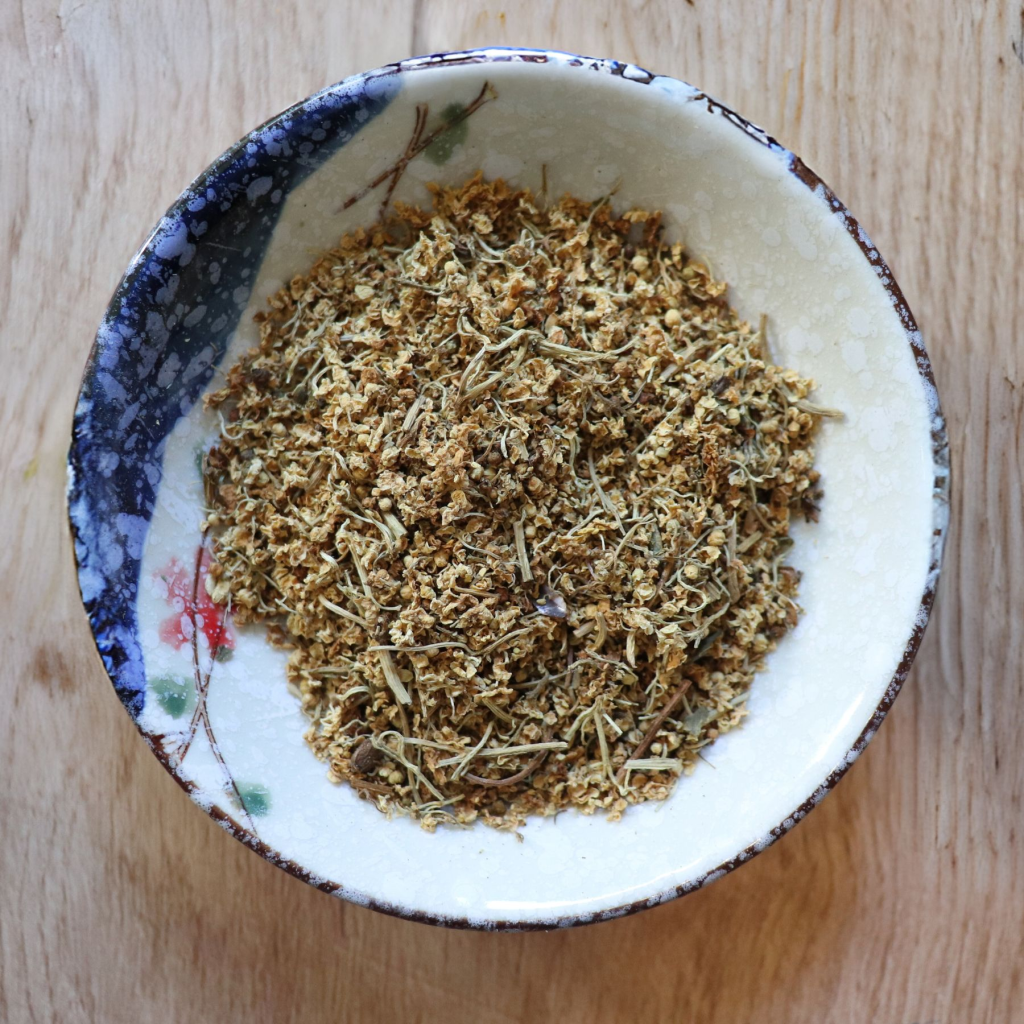
Quality influences comfort. Look for whole blossoms with a clean floral scent and a pale golden color when brewed. The taste should be soft and slightly sweet. Avoid blends with additives, colors, or artificial flavoring. Elderflower should look and smell fresh.
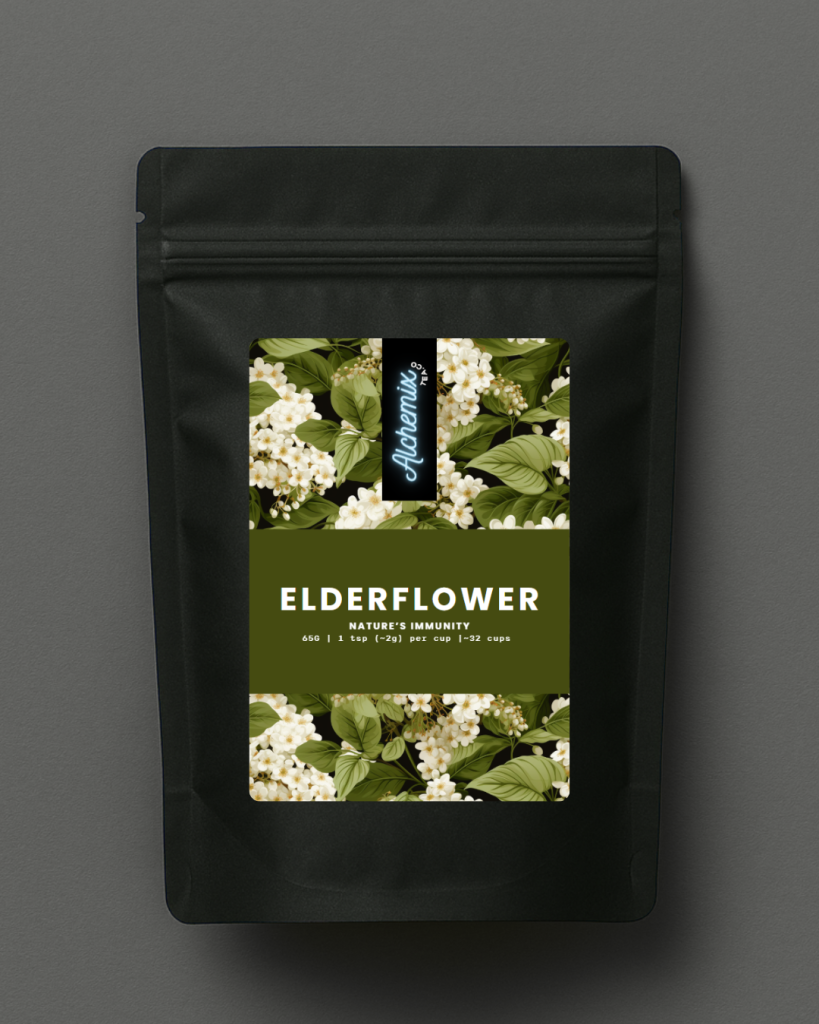
Alchemix elderflower tea uses whole blossoms, which preserve the aromatic profile and gentle potency needed for PMS comfort.
PMS bloating and cramps share overlapping causes, and they often compound each other. Warm hydration and gentle fluid support make the discomfort easier to manage. Elderflower tea fits naturally into this pattern. With consistent use before and during the cycle, it helps the abdomen feel less tight, the pelvis feel less reactive, and the overall sense of heaviness become more manageable.
If you rely on warmth and hydration for cycle relief, our elderflower tea is a solid addition.
Related Articles





-
Chasen Stand
$ 17.00 -
Stainless Steel Tea Infuser
$ 18.00 -
Matcha Whisk (Chasen)
$ 25.00 -
Reusable Tea Bags (Set of 5)
$ 15.00
 We do loose leaves that you can taste and non of that dusty stuff in a bag.