
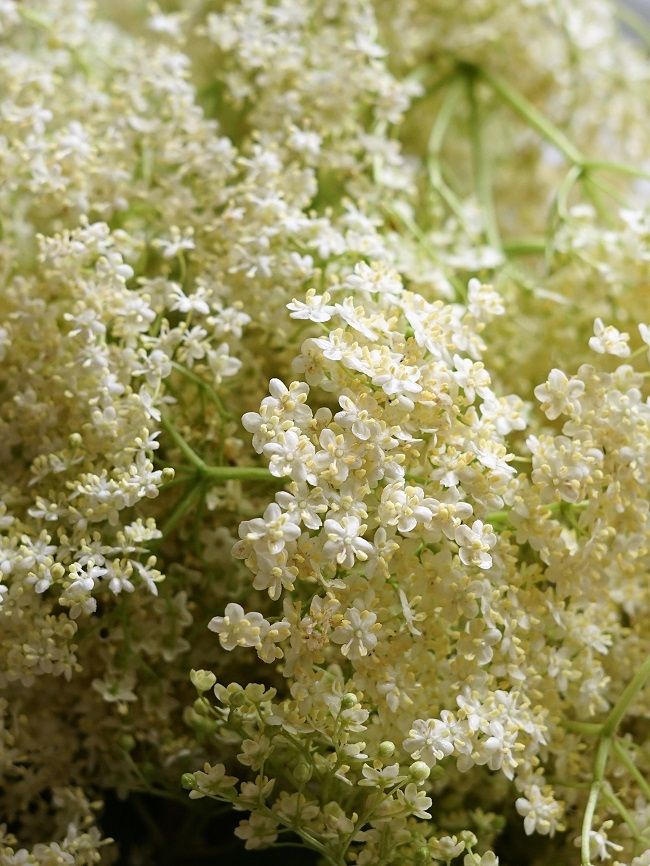
Inflammation is one of the most common drivers of chronic health issues. Even when mild, it can influence hormone balance, skin health, and energy levels.
- 90% of women experience inflammation-related PMS or bloating.
- Hormonal shifts trigger stronger inflammatory responses in women.
- Half of adult acne cases link to chronic inflammation.
- 1 in 3 women report fatigue tied to inflammatory stress.
- Stress and poor sleep can raise inflammation.
Elderflower tea has quietly become one of the most talked-about herbal teas for women looking to reduce inflammation without cutting coffee or overhauling their diet.
What Is Elderflower Tea and Why People Use It for Inflammation
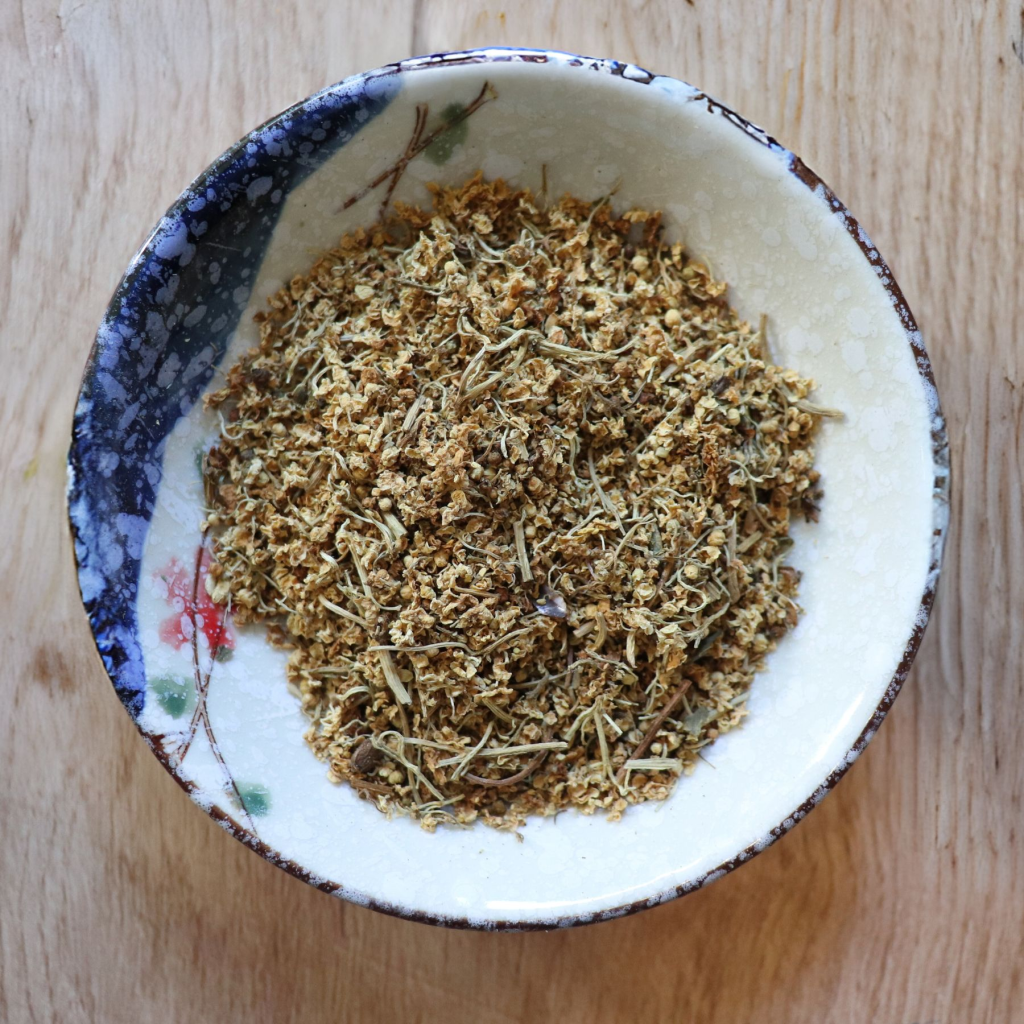
Elderflower tea comes from the dried blossoms of the Sambucus nigra plant, a flowering shrub native to Europe that has been used in traditional herbal medicine for centuries. The tea has a light floral flavour and has traditionally been used to ease seasonal congestion, reduce swelling, and support recovery from common ailments.
Traditional Uses of Elderflower
- Calming skin inflammation and puffiness
- Cooling fevers and easing flu-like symptoms
- Soothing sinus and respiratory irritation
- Relieving mild joint and muscle pain
- Supporting the body’s natural detox and fluid balance
Modern research has renewed interest in elderflower because of its anti-inflammatory and antioxidant compounds. Flavonoids, phenolic acids, and rutin help the body regulate inflammation and oxidative stress more effectively. This makes elderflower tea useful for addressing issues that stem from chronic low-grade inflammation, such as fatigue, hormonal imbalance, and skin irritation.
How Elderflower Tea Reduces Inflammation in the Body
Elderflower tea contains several natural compounds that influence how the body manages inflammation. Rather than acting like synthetic anti-inflammatories, its bioactive components work at a cellular level by reducing oxidative stress and calming overactive immune signals.
Key Compounds in Elderflower
- Polyphenols help neutralise free radicals that can trigger inflammation. When oxidative stress is lower, inflammatory markers tend to decline.
- Quercetin, a flavonoid found in elderflower, helps regulate cytokine activity, especially tumour necrosis factor alpha (TNF-α) and interleukin-6 (IL-6), both of which are linked to chronic inflammation.
- Rutin supports blood vessel strength and reduces capillary permeability, which can help ease mild tissue swelling.
In-vitro studies on Sambucus nigra have shown reductions in nitric oxide and inflammatory cytokines within immune cells. Findings note that elderflower’s phenolic acids and flavonoids provide measurable antioxidant and anti-inflammatory effects. Although most trials use concentrated extracts, the same bioactive compounds are present in brewed elderflower tea in gentler concentrations.
Although most of this work uses concentrated extracts, the same compounds are present in properly brewed elderflower tea, offering gentle, consistent exposure. Regular consumption may support the body’s natural regulation of inflammatory pathways, among many other additional elderflower tea benefits.
Elderflower Tea for Hormonal, Skin, and Immune Balance
Elderflower tea supports more than inflammation relief. Its compounds play a role in hormone regulation, skin clarity, and immune stability. These systems are connected through inflammation and oxidative stress, so calming one naturally improves the others.
1. Hormonal Support
Chronic inflammation can disrupt hormone signalling, including cortisol, oestrogen, and progesterone. The antioxidants in elderflower help ease this imbalance by lowering oxidative stress and supporting liver function, which is central to hormone metabolism.
How it helps:
- Supports liver detoxification of excess hormones
- Reduces inflammatory stress that affects energy and mood
- Encourages steadier menstrual cycles when paired with balancing blends such as Cycle Balance Tea
2. Skin Health
Inflammation and oxidative damage often appear on the skin as redness, breakouts, or dullness. Elderflower contains quercetin, rutin, and other bioactive compounds that protect skin cells from free radicals while promoting healthy circulation.
Key benefits:
- Helps reduce oxidative stress linked to premature ageing
- Mild diuretic effect supports clearer skin by limiting puffiness
- Calms redness and irritation caused by inflammation
3. Immune Balance and Detox Support
Elderflower has mild diuretic and detoxifying properties that encourage the removal of excess fluid and metabolic waste. This supports the kidneys and lymphatic system in maintaining internal balance.
Why it matters:
- Gentle detox activity keeps inflammation under control
- Improved lymphatic flow strengthens immune function
- Reduced waste buildup lowers strain on vital organs
By reducing inflammation and supporting natural detox and hormone processes, elderflower tea helps maintain a balanced internal environment where skin health, energy levels, and immune response work in harmony.
How to Make Elderflower Tea for Inflammation Relief
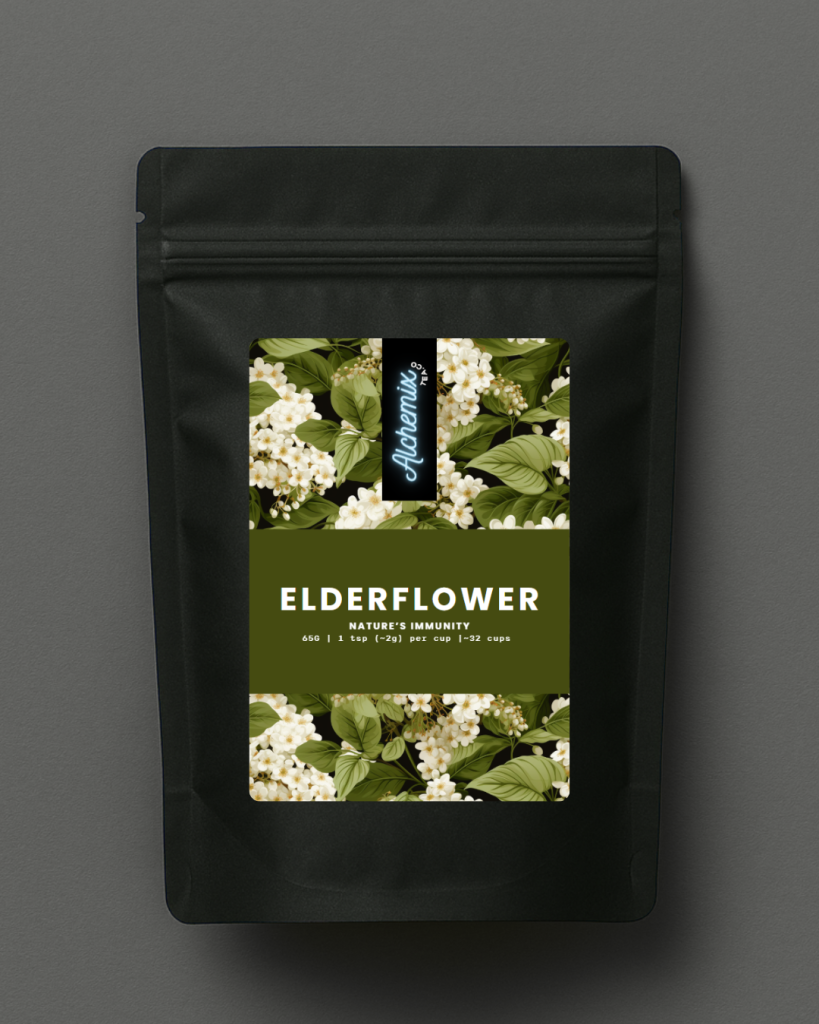
Making elderflower tea is simple, but how you brew it affects the strength of its anti-inflammatory compounds. The goal is to extract the flavonoids and polyphenols gently so they stay active.
Basic Elderflower Tea Recipe
You’ll need:
- 1–2 teaspoons of dried elderflower
- 250 ml of freshly boiled water
- A mug or teapot with a lid
Method:
- Add the dried elderflower to your mug or teapot.
- Pour over the hot water and cover it to prevent the aromatic oils from escaping.
- Steep for 5–10 minutes depending on how strong you like the flavour.
- Strain and drink while warm.
Covering the tea during steeping helps preserve the volatile compounds that contribute to its soothing, anti-inflammatory effect.
Optional Additions:
- Lemon: adds vitamin C, which supports flavonoid activity and helps with absorption.
- Honey: provides gentle sweetness and its own antibacterial properties.
- Peppermint: pairs well for digestion and cooling relief.
Serving Tips:
Elderflower tea is naturally caffeine-free, making it suitable for evening use.
Drink up to three cups daily for consistent support. The flavour is light and floral, so it also blends well with other herbal teas focused on balance and relaxation.
When to Drink Elderflower Tea for Anti-Inflammatory Support
Elderflower tea is most effective when enjoyed regularly rather than occasionally. Its anti-inflammatory and antioxidant compounds work gradually, supporting long-term balance and recovery throughout the body.
Best Times to Drink Elderflower Tea
- After meals: helps the body process food and calm mild digestive inflammation.
- Evening wind-down: naturally caffeine-free and relaxing, elderflower tea can be enjoyed before bed to reduce tension and fluid retention.
- During the menstrual cycle: its gentle diuretic and anti-inflammatory actions can ease bloating and discomfort linked to hormonal changes.
How Often to Drink Elderflower Tea
One to three cups daily is a balanced amount for most people. Regular use maintains steady antioxidant levels and supports gentle detoxification without overstimulation.
Building a Routine
Elderflower tea combines easily with other herbal blends that support similar functions. For hormonal balance, it pairs well with teas designed for cycle support or mood regulation. Consistency is key; drinking it daily allows its compounds to build up in the system, helping reduce inflammation-related fatigue, puffiness, and skin irritation over time.
Elderflower Tea as a Natural Anti-Inflammatory Remedy
Traditional herbal use matches what research now shows. Elderflower has long been brewed to ease fever, sinus pressure, and joint discomfort. Modern studies confirm that its flavonoids and antioxidants actively influence how the body manages stress, recovery, and repair.
Elderflower tea is a gentle but effective option for easing inflammation. Its key compounds, including quercetin, rutin, and phenolic acids, work together to calm inflammatory pathways, protect cells from oxidative stress, and support healthy circulation. These effects extend beyond inflammation relief, supporting hormone balance, clearer skin, and a stronger immune response.
If inflammation is showing up as fatigue, hormonal imbalance, or recurring skin irritation, switching one of your daily drinks for elderflower tea can be a simple way to lower that baseline inflammation and restore balance from within. Check out our elderflower tea and support your body back to calm, clear, and balanced state, one cup at a time.
Related Articles





-
Blend No.03 - Peppermint, Milk Thistle, Nettle
$ 15.99 – $ 42.00 -
Matcha Whisk (Chasen)
$ 25.00 -
Matcha Scoop
$ 7.00 -
French Earl Grey
$ 19.00 – $ 49.00 -
Butterfly Pea Tea
$ 15.99 – $ 45.00
 We do loose leaves that you can taste and non of that dusty stuff in a bag.