
I used to think hormonal balance was just about keeping my cycle regular. As long as things arrived on schedule, I assumed my body was fine. Then came the fatigue that sleep couldn’t fix, the afternoon fog, the strange sense that my energy and mood were running on separate clocks.
Hormones are the body’s quiet instructions. They’re the tiny chemical messages moving through the bloodstream to keep every system in sync. It’s hormones that shape how quickly you burn energy, how calm you feel after stress, and even how easily you fall asleep. The thyroid gland manages metabolism, the adrenal glands handle stress, the pancreas balances blood sugar, and the ovaries fine tune mood and recovery.
Signs Your Hormones Might Be Out of Balance
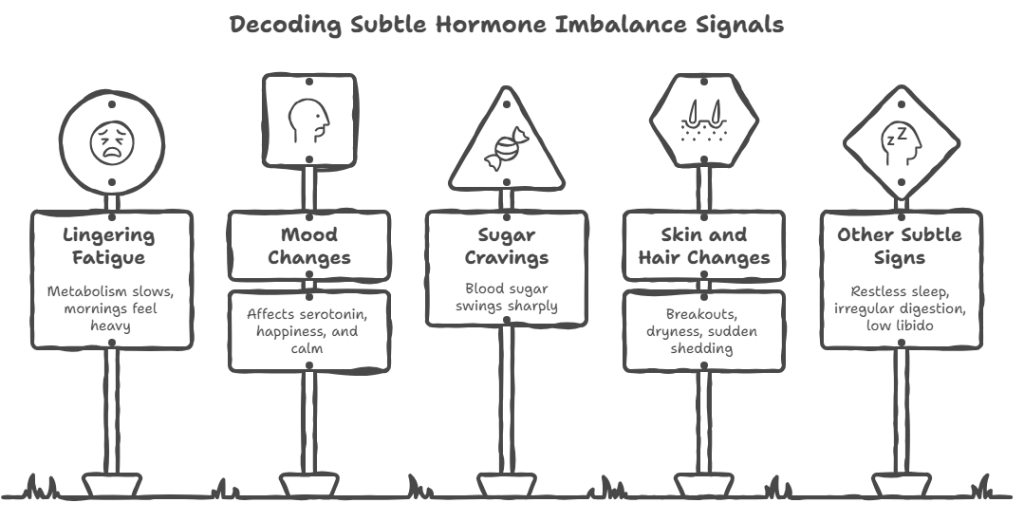
Hormones rarely shout when something is wrong. They whisper through fatigue, mood shifts, cravings, and small changes you can easily dismiss as “just being tired.” But those quiet signs often hint that your body’s internal signals are out of sync.
Lingering fatigue is one of the first clues. When the thyroid slows, metabolism drags and mornings feel heavy. If your adrenals are constantly producing stress hormones, the exhaustion turns wired and you feel alert but hollow.
Mood changes are another. Fluctuations in estrogen and progesterone affect serotonin, the chemical that steadies happiness and calm. It’s why irritability or low motivation often appear when hormones lose rhythm. Research on estrogen and serotonin shows how closely they move together.
Then come sugar cravings and energy crashes. When insulin response from the pancreas becomes unpredictable, blood sugar swings more sharply, pulling your focus and mood with it.
The skin and hair often tell their own story. Breakouts, dryness, or sudden shedding can trace back to changes in androgens or thyroid function, the skin is one of the first places hormonal shifts appear.
Other signs are quieter: restless sleep, irregular digestion, low libido, or the nagging feeling that your body is off even when tests say it isn’t. These patterns build slowly until “normal” feels like something you used to have.
The good news is that balance is the body’s default state. It’s always working to find equilibrium again. It just needs space, nourishment, and a little patience to get there.
What Throws Hormones Out of Balance
Hormones are built for balance, but modern life constantly tests that design. These are the things that quietly pull the system off track:
- Chronic stress. The adrenal glands release cortisol to help you adapt, but when stress becomes a lifestyle, cortisol stays high. That constant alert state dulls thyroid activity, changes how you store fat, and interferes with reproductive hormones.
- Lack of sleep. Deep rest is when the body resets its internal rhythm. Skipping it raises cortisol levels, disrupts appetite-regulating hormones, and makes blood sugar harder to control.
- Unstable blood sugar. Long gaps between meals or diets heavy in refined carbs push the pancreas to overproduce insulin. The result is the familiar mix of cravings, brain fog, and afternoon energy crashes.
- Overtraining or undereating. Exercise is healthy until it becomes another form of stress. Too much intensity or too few calories can raise cortisol and lower estrogen, slowing recovery and menstrual regularity.
- Environmental toxins. Common household items and plastics can contain endocrine disruptors that mimic or block hormones. They build up quietly over time, confusing the body’s natural feedback loops.
- Poor gut and liver health. These organs help metabolize and clear excess hormones. When digestion slows or liver detox pathways are overwhelmed, hormones recirculate instead of exiting, creating a subtle but persistent imbalance.
- Inconsistent routines. Hormones work best with rhythm. Late nights, erratic eating, and constant screen exposure before bed confuse your circadian signals, which guide everything from cortisol release to melatonin production.
Each of these factors on its own might seem minor, but together they add up. Hormones notice the patterns long before you do, and they respond accordingly with fatigue, cravings, irritability, or that quiet sense that your body is out of sync with your effort.
How to Support Hormonal Balance
You can eat well, exercise, sleep eight hours, and still wake up feeling flat because hormones do not respond to one good habit. They respond to balance across everything. When that balance returns, it shows up in small ways like clearer mornings, calmer evenings, steadier hunger cues. You feel normal again, but better than you remember normal feeling.
If you’re feeling off, start by giving your hormones the kind of consistency they can rely on.
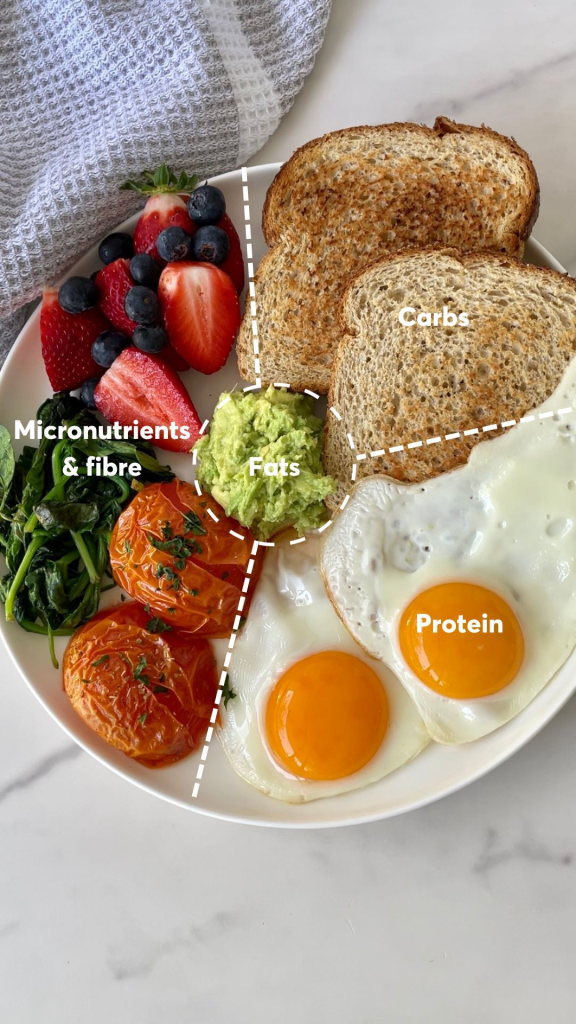
- Eat real food, regularly. Meals with protein, fiber, and healthy fats keep blood sugar steady and prevent insulin spikes through the pancreas. Long gaps between meals or a diet built on snacks make energy unpredictable.
- Sleep like it matters. Deep rest is how your body resets cortisol and appetite hormones. Even one short night can raise stress levels and make you feel wired when you need calm.
- Move with intention. Strength training supports hormone sensitivity and bone health, but so does slowing down. Recovery is when balance happens, not during the workout itself.
- Support your liver and gut. They process and clear hormones once they’ve done their job. Leafy greens, cruciferous vegetables, and hydration help this system flow.
- Reduce daily load. Many everyday products contain endocrine-disrupting chemicals. Swap plastic for glass where you can, and simplify what goes on your skin and into your home.
The body listens to rhythm. Morning sunlight, real meals, quiet evenings, and small rituals signal safety and hormones follow that cue.
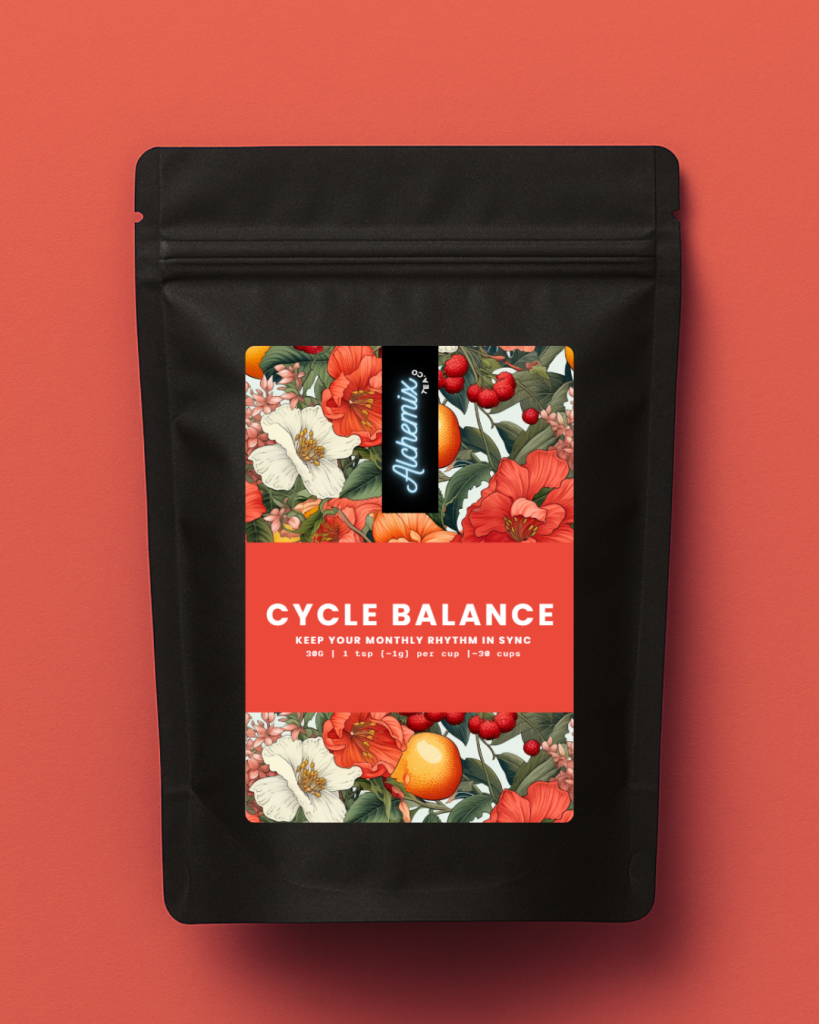
For some people, that rhythm looks like a slow morning walk or a few deep breaths before bed. For others, it’s a warm cup of tea that marks the end of the day. Cycle Balance Tea was created with that idea in mind: something grounding, gentle, and caffeine-free to support the body’s natural ebb and flow. It’s less about fixing anything and more about helping the body remember what calm feels like.
The blend includes herbs traditionally used to help the liver process hormones and ease stress through adaptogenic compounds. Ingredients like burdock root, peppermint, and dandelion support digestion and gentle detox pathways – the same systems that keep estrogen, progesterone, and cortisol moving in harmony.
Hormonal balance isn’t a quick transformation. It’s the result of a thousand small signals that tell your body it’s safe to settle back into itself.

Finding Your Balance Again
Hormonal balance isn’t a goal you chase; it’s a conversation you learn to hear. Most of us spend years overriding our bodies, pushing through exhaustion, quieting cravings, ignoring what feels off because there’s always something else that needs to get done. But the body keeps score, and it speaks in patterns. Fatigue. Restlessness. Brain fog.
When you start paying attention, balance stops being abstract. It’s the feeling of waking up without dread. The calm after a full meal instead of the crash. The patience to pause instead of react. Those are hormonal shifts as much as they are emotional ones.
There’s no single formula to get there. It’s built slowly, through rhythm and attention through consistent meals, real rest, sunlight, stillness, movement that strengthens instead of depletes. Over time, those habits tell your body it can trust you again. And when that trust returns, everything else follows.
So let it be simple. Drink your water. Breathe. Go outside. Make space for quiet rituals that remind you to slow down, maybe even something like a cup of Cycle Balance Tea at the end of the day. It’s not about fixing your hormones. It’s about coming back to the version of yourself that feels steady, present, and whole.
Your Hormone Reset To-Do List
Small things that tell your body it’s safe to come back into balance.
Morning
- Drink water before coffee
- Eat a real breakfast with protein
- Step outside for sunlight (even two minutes helps regulate cortisol)
Daytime
- Sit down for meals instead of grazing
- Add a walk or stretch break to release tension
- Keep caffeine before noon to protect sleep hormones
Evening
- Eat dinner at least two hours before bed
- Dim the lights and screens after sunset
- Sip something grounding like Cycle Balance Tea
- Write down three things that went right today (gratitude reduces stress hormones)
Weekly
- Prioritize one slow morning with no alarms
- Lift something heavy or do body-weight strength work
- Cook at home at least once with whole ingredients
- Spend an hour outdoors without checking the time
If your body feels out of rhythm — tired, tense, or just not like you — it’s asking to recalibrate. Cycle Balance Tea is made to support that reset, easing stress and helping your hormones find their natural flow again.
Related Articles





-

Blend No.03 - Peppermint, Milk Thistle, Nettle
$ 15.99 – $ 42.00 -

Blend No.02 - Rose, Raspberry Leaf, Acai, Goji
$ 15.99 – $ 42.00 -
Reusable Tea Bags (Set of 5)
$ 15.00 -

Matcha Whisk (Chasen)
$ 25.00

 We do loose leaves that you can taste and non of that dusty stuff in a bag.