
Elderflower and elderberry come from the same plant, yet they behave so differently in the body that treating them as interchangeable always leads to disappointment. One is light, floral, and supportive for sinus and fluid discomfort. The other is rich, bold, and geared toward immune resilience. They serve different purposes, they’re brewed differently, and they fit different seasons of the year.
If you’ve ever wondered which one you should choose for your symptoms or daily routine, this guide walks through the differences in a clear, clinical way that helps you match the right tea to the right situation.
Why People Mix Them Up
The confusion is simple: same plant, similar name, overlapping presence in wellness spaces. Elderberry syrup is everywhere, which leads people to assume elderflower must offer the same immune benefits. But the flower and the berry support the body through different mechanisms. Elderflower is traditionally used for sinus openness, warmth-driven relaxation, and mild inflammatory comfort. Elderberry is used for strengthening the immune response and supporting the body through viral-season challenges.
Recognizing that distinction changes how you choose, brew, and use each one.
Myth Check: They’re Not Substitutes
A lot of mistaken expectations come from thinking elderflower can replace elderberry or that elderberry can do what elderflower does. That’s the source of most confusion. Elderflower isn’t an immune booster, and elderberry isn’t calming or fluid-balancing. Their effects do not overlap as much as people assume.
The simplest way to keep them straight:
- elderflower supports comfort
- elderberry supports defense
Once you anchor that, the rest becomes much easier to understand.
What Elderflower Tea Feels Like in the Body
Elderflower creates a soft, warm sensation that feels calming rather than energizing. Most people notice that it eases tension around the face, forehead, and upper airway. The warmth helps the tissues feel less reactive, and the steam from a fresh cup often provides a sense of openness when sinuses feel dull or swollen.
There’s also a mild influence on fluid balance, which is why people often reach for elderflower when dealing with puffiness, head heaviness, or monthly water retention. The tea doesn’t push the body hard. Instead, it brings a gentle reset that makes the upper body feel clearer and lighter.
It’s a good fit for people who want something they can drink regularly without stimulation or intensity.
What Elderberry Tea Feels Like in the Body
Elderberry tea is thicker in presence. The flavor is deeper, more tart, and more structured than elderflower. It creates a warming, fortified feeling rather than a calming one. People tend to use elderberry during early cold symptoms, viral exposure, or periods where their immune system feels taxed.
The body response is more active. Energy often feels steadier, the immune system feels supported, and the tea gives a sense of resilience that pairs well with colder seasons. While elderflower softens discomfort, elderberry strengthens the system that deals with it.
This makes elderberry less suited as a daily tea and more suited as a seasonal or situational one.
A Practical Guide to Choosing the Right One
Instead of comparing phytochemicals or historical uses, the easiest way to decide is to match each tea to what you’re experiencing.
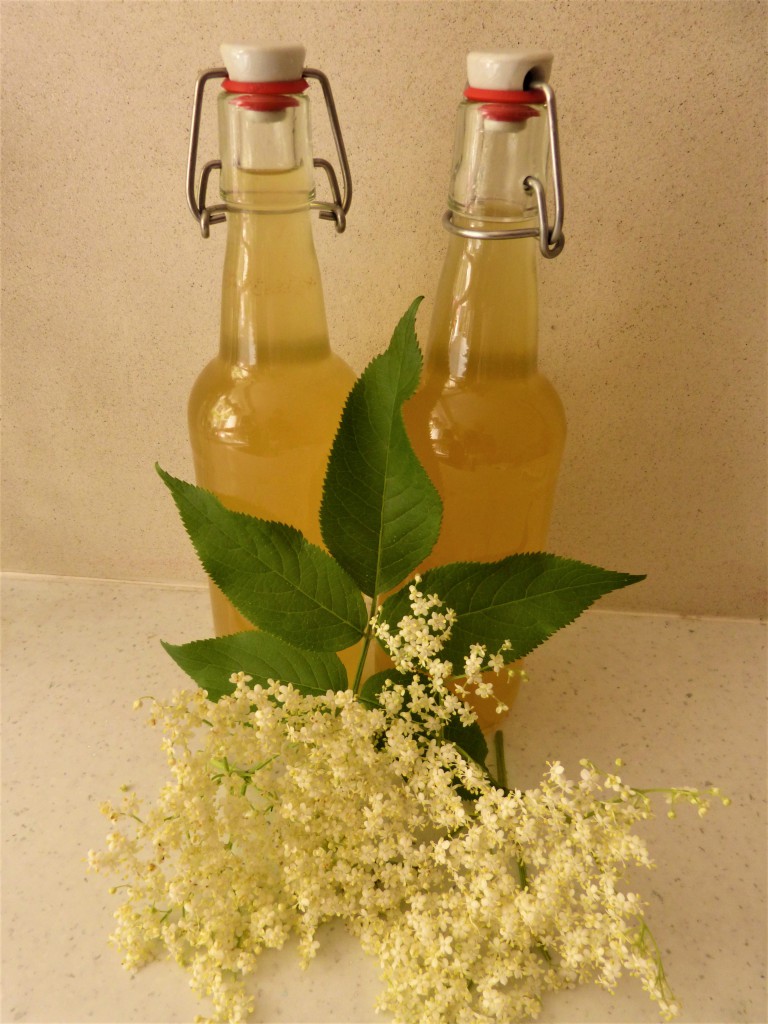
Choose elderflower when your main issues involve:
- sinus tightness
- fluid retention
- allergies
- puffiness
- tension headaches
- upper-airway sensitivity
These are the situations where elderflower’s gentle warmth, mild inflammatory support, and fluid movement help the most.
Choose elderberry when your main concerns involve:
- immune stress
- viral exposure
- low energy during seasonal illness
- recovery support
- general winter fatigue
This is where elderberry’s deeper, immune-oriented profile fits naturally.
Some people use both at different times of the year. Elderflower for daily comfort and sinus clarity. Elderberry when the environment calls for stronger immune reinforcement.
Choosing Based on Daily Symptoms
People often pick the wrong tea simply because the name sounds similar. A few examples make the distinction easier.
- If you wake with a heavy head, elderflower is the right choice.
- If you wake with early cold symptoms, elderberry offers the support you need.
- If your sinuses feel swollen or stuck, elderflower fits.
- If your energy drops during cold season, elderberry is the better match.
- If puffiness or water retention bothers you, elderflower makes the difference.
- If you feel rundown after being around large groups, elderberry is the stronger tool.
When you choose based on symptoms instead of trends, the results feel more noticeable.
Common Missteps With Elderflower
Many people use elderflower expecting it to boost immunity or shorten a cold. Elderflower doesn’t act on the body that way. It won’t replace elderberry syrup, strengthen immune response during winter, or work as a defense herb. It works best for comfort-driven symptoms, not immunity-driven ones.
Common Missteps With Elderberry
On the other side, people often grab elderberry when dealing with sinus pressure or tension headaches, even though elderberry doesn’t support those areas well. Its effects don’t target fluid retention, puffiness, or inflammatory tension around the face and head. When people use it for the wrong purpose, they assume it “didn’t work,” when in reality, it was simply mismatched.
Taste and Daily Usability
Taste matters because it influences whether a tea becomes a long-term habit.
Elderflower is light, floral, and slightly sweet. It’s easy to drink throughout the day, especially hot or iced. It pairs naturally with lemon peel, honey, or mint. Because the flavor is gentle, many people drink it daily during allergy season or humid months.
Elderberry has a more assertive profile. It’s fruity, tart, and bold. It’s ideal as a warm cup during colder weather, especially with ginger or cinnamon. For most people, it’s something they reach for occasionally, not multiple times per day.
Your own habits and taste preferences make a difference in what you’ll actually use consistently.
Seasonal Choosing: When Each One Makes Sense
Seasonal patterns can influence which tea works better for your routine.
Spring and summer are elderflower seasons.
Allergies peak. Humidity rises. Sinus swelling increases. Puffiness becomes more noticeable. Elderflower’s light warmth fits these conditions and supports comfort in a subtle, steady way.
Fall and winter naturally lean toward elderberry.
Cold weather, indoor heating, travel, and viral exposure create higher immune demands. Elderberry tea supports the body during these periods and pairs well with warming herbs like ginger and clove.
The transitional seasons often benefit from both. If you tend to get sinus discomfort at the same time you feel run down, a combination approach works well.
Safety and Sensitivity Notes
Elderflower is generally well tolerated. People with pollen sensitivities should introduce it gradually, and its mild diuretic quality means it’s best to monitor how your body responds, especially if you don’t drink enough water. It’s suitable for most adults, though pregnant or breastfeeding individuals should check with a professional before regular use.
Elderberry requires more care. Only properly dried or cooked elderberries are safe. Raw berries are not. People with autoimmune conditions should speak with a practitioner first, and those on immune-modulating medications should be cautious. It’s also not automatically recommended during pregnancy or breastfeeding without guidance.
Brewing Differences That Influence Effectiveness
The brewing method impacts how the body experiences each tea.
Elderflower responds best to warm-hot water. A steep of eight to twelve minutes preserves the delicate aromatics that make it effective for sinus comfort. Covering the cup matters because much of elderflower’s benefit comes from its vapors and volatile compounds.
Elderberry requires heat extraction. Simmering the berries is the best way to release the deeper compounds that support immune resilience. A quick steep isn’t enough. Once strained, the liquid should be rich and slightly thick.
Because the two teas brew so differently, it’s easy to see how they diverge in effect.
How to Choose Quality Elderflower or Elderberry
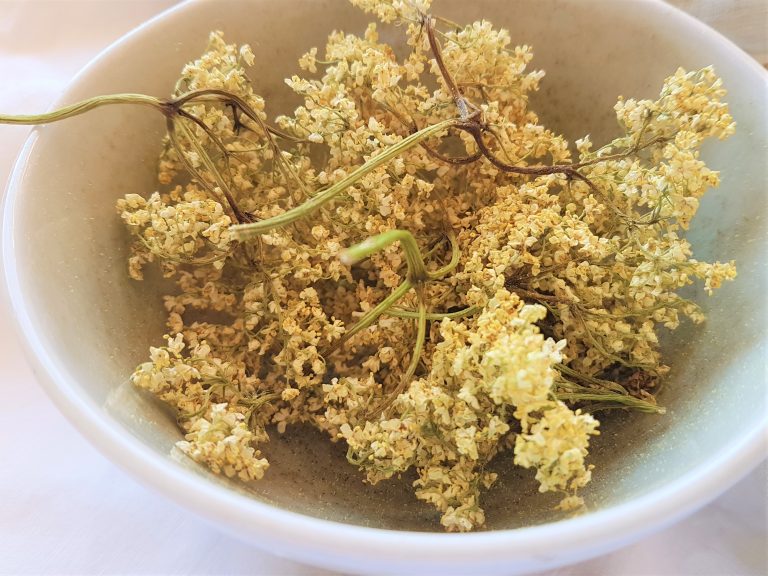
Good elderflower consists of whole, intact blossoms with a clean floral scent and a pale golden color when brewed. It should never smell dusty or overly grassy. Freshness matters more with elderflower than many people realize because the aromatics fade with age.
Quality elderberry should be dark, intact, and aromatic. The berries should not look shriveled or dull. A fresh batch produces a deep, vibrant infusion without bitterness. Avoid blends that rely heavily on sweeteners or fillers, as they dilute the profile.
Elderflower and elderberry may come from the same plant, but the difference in their effects is significant. Elderflower supports comfort, clarity, and mild inflammatory relief. Elderberry supports strength, resilience, and immune readiness. Most people benefit from keeping both available, but only when they understand which tea belongs to which situation.
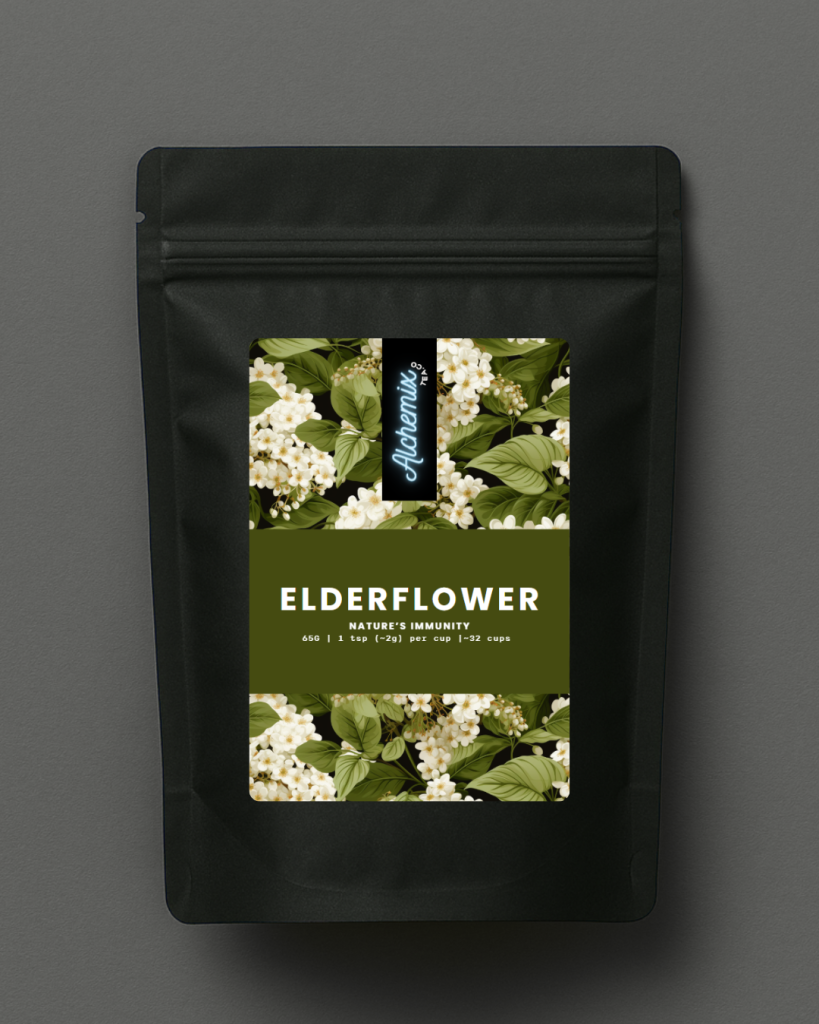
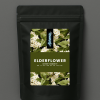
If you want a gentle daily tea for sinus comfort and fluid balance, our elderflower is available here.
Related Articles





-
Eco Brew Bags
$ 5.99 – $ 17.99 -
Butterfly Pea Tea
$ 15.99 – $ 45.00 -
French Earl Grey
$ 19.00 – $ 49.00 -
Elderflower Tea
$ 15.00 – $ 39.00 -
Chasen Stand
$ 17.00
 We do loose leaves that you can taste and non of that dusty stuff in a bag.