
Headache pressure feels different from sharp or pulsing pain. Instead of stabbing sensations, the discomfort sits like weight or fullness inside the head. It can settle behind the eyes, across the forehead, around the temples, or deep in the sinuses. People describe it as heaviness, tightness, fog, or a congested feeling that lingers through the day.
This type of discomfort often comes from tension, mild inflammation, fluid buildup, or reduced circulation. It responds best to warmth, hydration, and subtle support for sinus comfort and head clarity. Elderflower tea fits this category well. It is not a fast-acting painkiller. It is a warm, calming tea that eases the factors contributing to pressure.
The clinical value of elderflower comes from how it interacts with the tissues involved in sinus comfort, circulation, and facial tension. This makes it suited for pressure-based headaches rather than intense, sharp pain.
Why Headache Pressure Feels Different
Pressure headaches often come from structural or fluid-related causes. They involve a combination of muscle tension, sinus swelling, slow lymph movement, dehydration, and screen-related strain. These patterns rarely trigger sharp pain signals. Instead, they create a dull, steady heaviness that intensifies when you bend forward or keep your neck still for long periods.
Elderflower fits this picture because it supports warmth-driven comfort, upper respiratory ease, and fluid movement. These mechanisms align closely with the physiology of pressure headaches.
Common Sensation Patterns
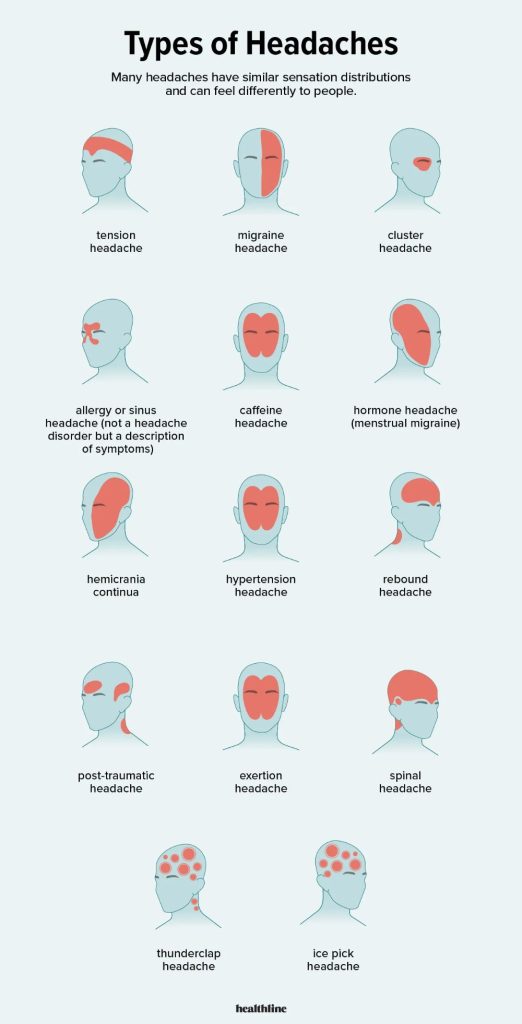
Head pressure comes in recognizable patterns. Clinical descriptions often sound like:
- heaviness across the forehead
- fullness behind the eyes
- tightness around the temples
- weight at the crown of the head
- foggy or congested head sensations
These sensations tend to overlap when sinus tissue becomes reactive or when muscular tension in the face and neck remains unchecked. Warmth, hydration, and steady relaxation often help more than cooling or stimulating remedies.
What Causes Pressure to Build
Several mechanisms can create or worsen the feeling of head pressure.
Sinus inflammation is a major contributor. When the lining of the sinus cavities swells, airflow and drainage slow down, producing fullness behind the eyes or across the brow. Muscle tension in the forehead, jaw, and scalp can create a similar sensation. People who clench their jaw or hold their eyebrows tight during screen use often experience this.
Reduced circulation is another factor. Staying in one position for long periods decreases blood flow and oxygen delivery to the head. Mild lymph stagnation in the face and neck contributes to a heavy, congested feeling as well.
Environmental triggers also matter. Cold, dry air, strong indoor heating, humidity shifts, and allergens can irritate sinus tissue and contribute to pressure. Dehydration intensifies all of the above.
Elderflower tea supports the body by addressing warmth, hydration, and mild inflammatory comfort, which makes it useful for the less severe forms of pressure.
How Elderflower Supports These Mechanisms
Elderflower warm infusion helps soften sinus fullness, especially when the sensation sits behind the eyes or across the upper nose. The warmth supports circulation around the face and forehead, which can ease muscle tension and reduce the sense of tightness.
Elderflower also provides aromatic support for upper respiratory comfort. When the tissue inside the nasal passages is reactive, the gentle floral vapors help the area feel more open. This can soften the heavy, foggy sensation that comes with mild sinus swelling.
Its mild diuretic quality supports fluid movement throughout the body. This is helpful when pressure headaches involve a sense of general heaviness or fluid retention that extends into the face or around the temples. The effect is subtle, but it contributes to the overall sense of lightness people often report.
Warm hydration itself is one of the simplest interventions for pressure headaches, and elderflower’s gentle flavor makes consistent sipping easy.
Matching Elderflower to Specific Sensation Patterns
For forehead heaviness
Warm elderflower tea helps relax the forehead muscles. The warmth eases tension, and the aromatic steam supports sinus openness.
For sinus-related pressure behind the eyes
Elderflower is frequently used in traditional European herbal practice for upper-airway comfort. The warm infusion helps soften the thick, stagnant feeling that causes sinus heaviness.
For tightness at the temples
Pressure from jaw tension or bracing across the temples responds to warmth and slow sipping. The tea’s gentle calming effect helps relax small facial muscles.
For foggy and congested head sensations
Hydration and warmth are key. Elderflower’s subtle diuretic effect also helps move fluid if mild retention contributes to the foggy feeling.
For pressure radiating from the neck to the skull
Warmth encourages circulation at the upper neck, which can reduce the “rising” pressure effect.
These patterns help readers understand when elderflower is the appropriate choice.

How Elderflower Compares to Other Head-Relief Teas
Herbal teas vary in their mechanism of action.
- Peppermint: cooling and clarifying, but can feel sharp for sensitive sinuses.
- Ginger: warming and circulatory, but strong for people with tension-triggered headaches.
- Chamomile: calming but not as effective for pressure rooted in congestion.
- Feverfew: used historically for migraines, not ideal for sinus-based pressure.
Elderflower sits in a supportive, balanced place:
- warm
- calming
- mildly decongesting
- gentle on reactive tissues
It works particularly well when head pressure feels tied to sinus fullness or environmental triggers.
How to Brew Elderflower Tea for Head Pressure
The most effective preparation uses warm-hot water with a slightly stronger infusion.
Use one to two teaspoons of dried elderflower in 250 ml of warm-hot water. Steep for eight to twelve minutes and keep the cup covered. Covering the tea preserves the aromatic components that help with sinus comfort.
Some people add a small pinch of chamomile for additional calming effects or a strip of lemon peel for brightness. Boiling water is fine, but allowing it to cool slightly before steeping can reduce facial flushing in sensitive individuals.
Sipping slowly matters. A gradual intake keeps the warmth consistent and allows the body to respond steadily.
A Head-Pressure Release Ritual
A short routine helps the tea work in tandem with the body’s natural relaxation mechanisms.
Start by sitting upright with the shoulders relaxed. Sip the tea at a slow pace. Release the jaw and let the tongue drop from the roof of the mouth. Relax the forehead and soften the muscles around the eyes. If comfortable, apply light pressure at the temples or make small, gentle rotations of the neck. These actions address the muscular component of head pressure while the tea supports warmth and hydration internally.
How Long It Takes to Notice Relief
Relief usually appears gradually. Many people feel a slight softening of tension within the first few sips as warmth reaches the facial muscles. As they move through the cup, sinus fullness may begin to ease. After a full cup, the head often feels lighter or less dense. Over several days of consistent use, pressure episodes may feel shorter or less intense.
Elderflower does not override pain signals. It supports comfort slowly by helping the tissues that contribute to pressure settle.

Supportive Habits That Improve Results
Pressure headaches respond well to paired lifestyle habits.
- drink adequate water throughout the day
- step away from screens regularly
- stretch the neck and upper back
- reduce strong indoor heating or cooling
- avoid holding the jaw tightly
- limit irritants like strong fragrances
- use a warm compress across the forehead or eyes
- practice nasal breathing
Each of these helps address the root causes of pressure buildup.
Safety and Sensitivity Notes
Elderflower’s gentle nature makes it widely tolerated, but clinical caution is still important. People with pollen sensitivities should test it carefully. Those who are pregnant or breastfeeding should check with a professional before adding elderflower regularly. Avoid combining elderflower with prescription diuretics unless medically approved. Only dried blossoms should be used, not leaves or stems. Sudden, severe, or unusual head pain should be assessed by a medical professional.
Pressure-based discomfort is appropriate for elderflower. Intense neurological or vascular pain is not.
How to Choose Quality Elderflower Tea
For head pressure support, freshness matters. High-quality elderflower consists of whole blossoms with a light floral scent and a pale golden color once brewed. The flavor should be soft, clean, and free from bitterness. Additive-free blends with intact blossoms offer the best aromatic profile for sinus comfort.
Alchemix elderflower tea uses whole blossoms dried in small batches to maintain potency and aromatic clarity, which is essential for this type of relief.
Head pressure is one of the most common discomforts in modern environments. Warm hydration, aromatic support, and gentle calming of the facial tissues are some of the simplest ways to ease it. Elderflower tea provides all three. With consistent use, the head feels less heavy, the sinuses feel more open, and the overall sense of pressure becomes more manageable.
If consistent, gentle support sounds right for you, you can find our elderflower tea here.
Related Articles





-

Peppermint Tea
$ 17.50 – $ 52.00 -
Matcha Whisk (Chasen)
$ 25.00 -

Elderflower Tea
$ 15.00 – $ 39.00 -
Reusable Tea Bags (Set of 5)
$ 15.00 -

French Earl Grey
$ 19.00 – $ 49.00
 We do loose leaves that you can taste and non of that dusty stuff in a bag.