
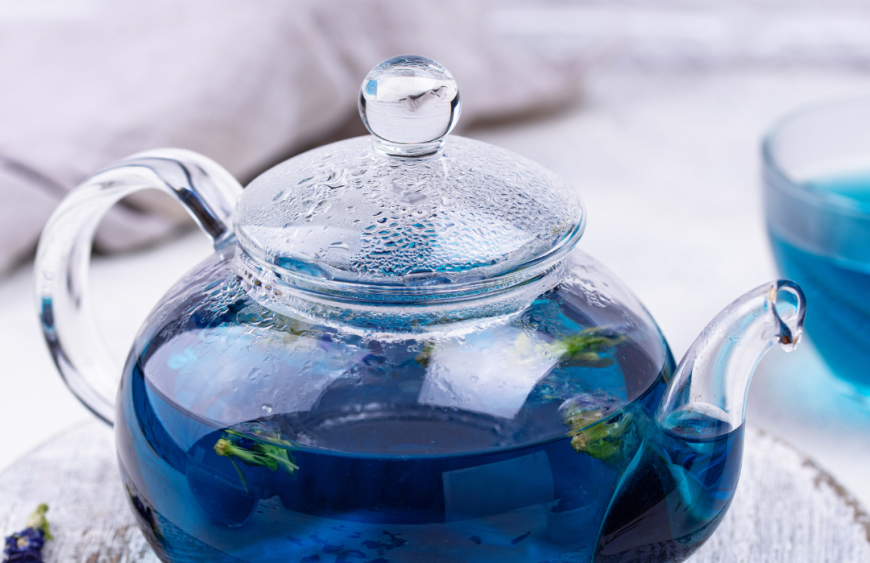
Butterfly pea might be one of the few teas people regularly buy because they’ve seen a photo of it.
Fair enough. That blue is hard to ignore.
But once the photo has been taken and you’ve added a squeeze of lemon to watch it turn purple, there’s still a cup of tea sitting in front of you. And that cup needs to taste good.
So, what should you look for when buying butterfly pea tea?
Start with the flowers themselves. Look for recognisable botanical pieces, check whether you’re buying pure butterfly pea or a blend, think about the flavour you actually want, and make sure you know whether anything else in the packet contains caffeine.
Most importantly, don’t buy on colour alone.
The blue might earn the first brew. Flavour has to earn the second.
What should good butterfly pea tea look like?
Butterfly pea tea is made from the flowers of Clitoria ternatea. The flowers contain anthocyanin pigments called ternatins, which are responsible for that remarkable blue colour.
When you’re buying loose butterfly pea tea, you should be able to recognise what you’re getting.
We like botanicals that still look like botanicals. Flowers should look like flowers, leaves like leaves and roots like roots. It’s one of the simple pleasures of brewing loose-leaf tea: you can actually see what’s going into your cup.
Butterfly pea is available as whole or broken dried flowers, as well as powders and extracts. Which you choose depends on what you’re making, but for a straightforward pot of tea, loose flowers make things pleasantly simple.
- Add hot water.
- Watch the colour develop.
- Drink.
No chemistry degree required. We’ll get to the chemistry shortly anyway.
What does butterfly pea tea actually taste like?
Butterfly pea has a relatively mild botanical character, rather than the sweetness or intense floral perfume you might expect from something that produces such an electric blue cup.
That’s not necessarily a weakness.
If you want butterfly pea for its distinctive appearance and a gentle herbal cup, drinking it pure makes perfect sense. It also gives you plenty of room to play with additions such as lemon.
If you prefer bold, fruity or heavily floral teas, however, don’t assume butterfly pea will deliver that simply because the colour does.
Buy it expecting a gentle botanical tea with an extraordinary colour, not blueberry cordial in a teapot.
Butterfly pea flavour at a glance
| What you notice | What to expect |
|---|---|
| Aroma | Light and botanical |
| Flavour | Mild, herbal and gently earthy |
| Sweetness | Subtle rather than dessert-like |
| Colour | Vivid blue, shifting towards violet with acid |
| Best for | Simple infusions, iced tea and blends |
Try the colour change yourself
- Brew the butterfly pea tea without additions.
- Taste it while it is still blue.
- Add a small squeeze of lemon.
- Watch the colour shift towards violet.
- Taste it again and compare the difference.
Consider it science you can drink.
Does butterfly pea tea have caffeine?
Pure butterfly pea tea is caffeine-free.
Butterfly pea isn’t made from the traditional tea plant, Camellia sinensis. It’s a herbal infusion made from Clitoria ternatea flowers.
That makes pure butterfly pea useful if you’re looking for a colourful herbal cup without the caffeine found in black or green tea.
But check the packet if you’re buying a blend.
A butterfly pea blend could also contain green tea, black tea, yerba mate or another ingredient that naturally contains caffeine.
Caffeine checklist
If avoiding caffeine matters to you, check whether the blend contains:
- Green tea
- Black tea
- White tea
- Yerba mate
- Guayusa
- Other caffeinated tea leaves or botanicals
Don’t stop reading once you see “butterfly pea” on the front.
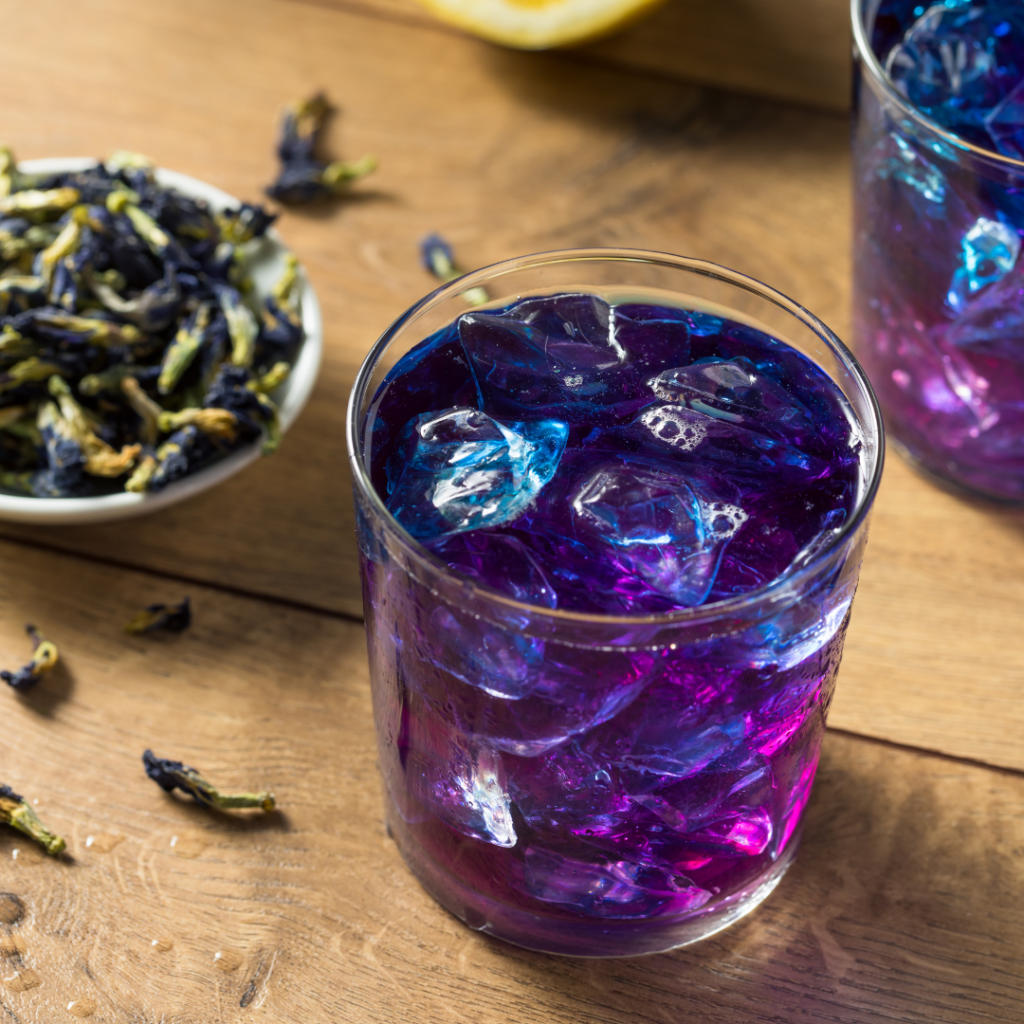
How are you actually going to drink your butterfly pea tea?
Before buying any tea, it’s worth imagining when you’re actually going to make it.
Not the aspirational version of yourself who apparently has 45 peaceful minutes every afternoon.
The real one.
Butterfly pea is particularly versatile because you can serve it hot or cold.
Ways to enjoy butterfly pea tea
- Brew it hot and drink it plain.
- Add lemon for a brighter flavour and violet colour.
- Brew it ahead and serve it over ice.
- Use it as a base for a fruit or floral blend.
- Adjust the strength by changing the amount of flower or steeping time.
On a grey Southland afternoon, a hot blue cup with a squeeze of lemon has considerably more personality than another glass of water.
When summer finally reaches Northland, brew it ahead, let it cool and serve it over ice with lemon.
You can also experiment with the strength. More flowers generally produce a deeper-looking infusion, while a lighter brew keeps things softer.
Start simple. You can always adjust the next pot.
Does butterfly pea tea go well with food?
It can, but pair it according to flavour, not colour.
Pure butterfly pea is relatively gentle, so we’d avoid putting it against something intensely flavoured and expecting the tea to win.
Foods that can work well with butterfly pea tea
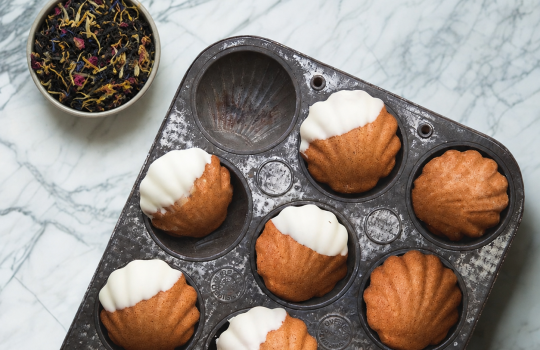
- Shortbread
- Light cakes
- Plain biscuits
- Afternoon baking
- Lamingtons
- Fresh fruit
- Mild cheese scones
Lighter cakes, shortbread and afternoon baking make more sense than something heavily spiced or very rich.
If you’ve added lemon, you’ve now got more acidity to work with, which changes the pairing again.
It’s the same principle we use when pairing French Earl Grey. Think about what’s actually happening in the cup, then choose food that complements it.
And yes, you could serve blue tea beside a lamington.
We’re not going to stop you.
What should I check before buying butterfly pea tea?
If you’re comparing packets online, don’t let the photography make the entire decision.
Here’s what we’d check.
Buying checklist
- Can you see what you’re buying?
With loose butterfly pea, look for recognisable dried flowers rather than anonymous material. - Is it pure or blended?
Neither is inherently better, but they give you different drinking experiences. - What should it taste like?
If you’re buying a blend, look at the other ingredients. They’ll tell you whether to expect citrus, fruit, florals, spice or a more traditional tea character. - Does it contain caffeine?
Pure butterfly pea doesn’t, but other ingredients in a blend might. - How will you drink it?
Hot? Iced? With lemon? Knowing this makes it easier to choose something you’ll actually use.
Butterfly pea tea FAQs
What colour should butterfly pea tea be?
Butterfly pea flowers are known for producing a vivid blue infusion. The exact appearance can vary with factors including concentration and pH, and acidic ingredients can shift the colour towards purple or violet.
Why does butterfly pea tea turn purple with lemon?
Butterfly pea contains pH-sensitive anthocyanin pigments. Adding acidic lemon juice changes their chemical form and therefore the colour you see. Studies of butterfly pea pigments have demonstrated colour changes across different pH levels.
What does butterfly pea tea taste like?
It’s much gentler than its appearance suggests. Expect a mild botanical character rather than an intensely fruity or perfumed floral tea.
Is butterfly pea tea naturally caffeine-free?
Pure butterfly pea flower tea is caffeine-free. If you’re buying a blend, check the other ingredients for sources of caffeine such as green tea, black tea or yerba mate.
Can you drink butterfly pea tea hot or cold?
Yes. It works as a hot herbal infusion and can also be brewed, cooled and served over ice.
How much butterfly pea tea should I use?
For our Butterfly Pea Tea, we recommend 1 to 2 teaspoons per cup, steeped in hot water for 3 to 5 minutes. Adjust the amount or steeping time depending on how strong you like it.
Should I add lemon to butterfly pea tea?
We think it’s well worth trying. Taste the tea plain first, then add a squeeze of lemon. You’ll see the famous blue-to-violet colour change and get a brighter, more acidic cup at the same time.
Choose butterfly pea tea for more than the colour
There is absolutely nothing wrong with buying butterfly pea tea because it’s blue.
It’s very, very blue. Pretending we hadn’t noticed would be ridiculous.
But once the novelty wears off, you still want something worth putting the kettle on for.
Look for recognisable flowers, understand whether you’re buying pure butterfly pea or a blend, check the caffeine if that matters to you, and choose something that suits how you actually drink tea.
Quick summary
| Look for | Why it matters |
|---|---|
| Recognisable dried flowers | Helps you see the botanical quality |
| Pure or blended ingredients | Tells you what flavour to expect |
| Caffeine information | Helps you choose the right cup |
| A suitable brewing method | Makes the tea easier to enjoy regularly |
| Flavour beyond the colour | Gives you a reason to make another cup |
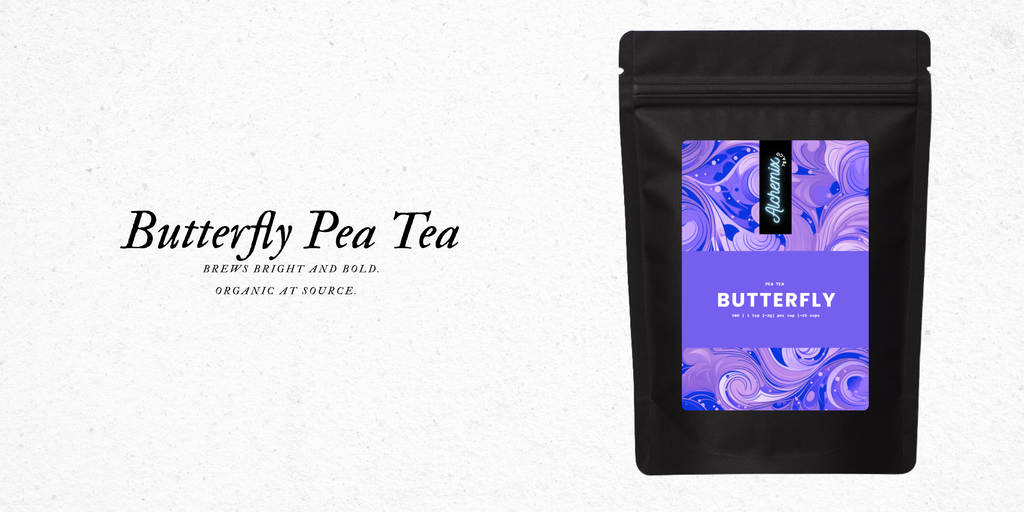
Our Butterfly Pea Tea is pure loose butterfly pea flower, organic at source and naturally caffeine-free. Brew 1 to 2 teaspoons for 3 to 5 minutes and drink it blue, or add lemon and watch it shift towards violet.
Hot on a Southland afternoon. Over ice when the weather behaves itself.
Either way, make the second cup because you enjoyed the first.
Related Articles




-
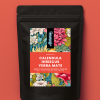
Blend No.01 - Calendula, Hibiscus, Yerba Mate
$ 15.99 – $ 42.00 -
Chasen Stand
$ 17.00 -
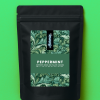
Peppermint Tea
$ 17.50 – $ 52.00 -
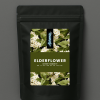
Elderflower Tea
$ 15.00 – $ 39.00 -
Soursop Tea
$ 19.00 – $ 52.00
 We do loose leaves that you can taste and non of that dusty stuff in a bag.