
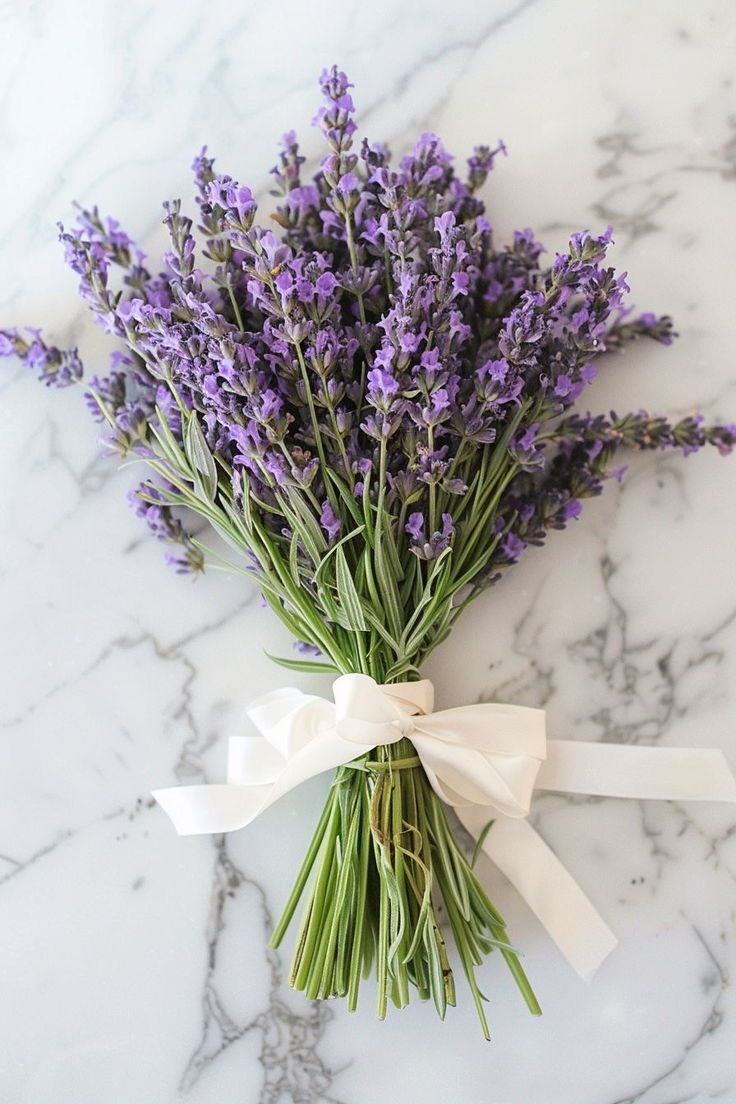
People often group elderflower and lavender together because they both feel gentle, comforting, and a little nostalgic. The truth is they support the body in completely different ways. One works on the inside, smoothing out the slow, systemic stuff that builds over days. The other works on the mind and the nervous system, whispering to the places that tighten when life gets overwhelming.
If you have ever wondered which one you should reach for when things feel off, this guide helps you understand where each herb shines and when your body will respond best to one over the other.
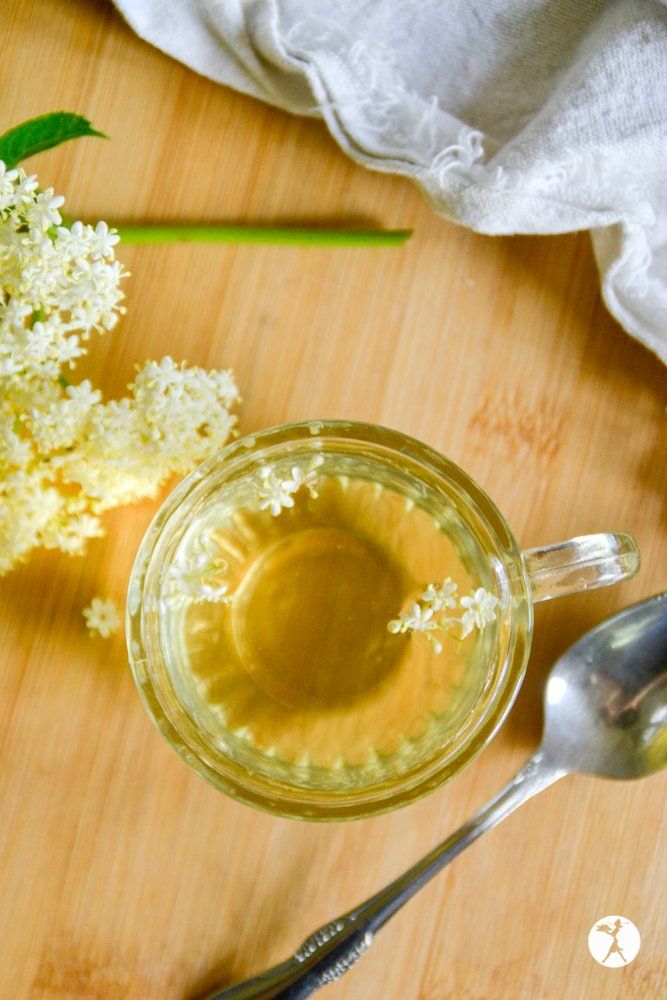
Elderflower at a Glance: The Herb That Steadies Your System
Before elderflower became trendy, people used it for everyday discomforts. Puffy mornings, sinus heaviness, slow digestion after big meals, and general inflammation that lingers longer than it should. Modern research lines up with that pattern. Elderflower contains flavonoids, phenolic acids, and rutin that help the body regulate oxidative stress, one of the biggest drivers of chronic inflammation.
What people notice with daily elderflower is not dramatic. It is more like the background irritation fades. Joints move a little easier. Sinus pressure softens. Bloat shows up less often. Recovery from long days is shorter. None of this is instant, but the consistency pays off.
Elderflower supports:
- sinus clarity and easier breathing
- gentle digestive comfort
- inflammation management
- steady immune function
- smoother recovery after long, stressful days
It is not a herbal quick fix. It is more like a quiet habit that keeps your baseline stable.
Lavender at a Glance: The Herb That Helps the Body Unwind
Lavender works on a different layer entirely. People have used it for centuries to settle nerves, ease the mind, and support restorative sleep. Its main compounds, linalool and linalyl acetate, influence how the nervous system processes stress signals. This is why lavender often works within minutes rather than days.
If the tension sits in your thoughts, in your shoulders, in the muscles behind your eyes, lavender helps your system shift gears. It does not sedate you. It simply helps take the sharpness out of the stress response so your body can return to a calmer rhythm.
Lavender supports:
- mental relaxation
- nighttime wind down
- tension headaches
- mood balance
- stress related digestive tightness
You feel lavender more quickly, but the effects do not accumulate like elderflower. It is a tool for the moments your mind feels too loud or your body feels coiled.
Why They Feel So Different in Your Body
The difference comes down to chemistry.
Elderflower
Elderflower carries an antioxidant profile that influences inflammation, oxidative stress, and circulation. These processes take time to shift, which is why daily drinkers feel the benefits gradually. It works on systems that respond slowly, like digestion and immune balance. This is long game support.
Lavender
Lavender’s main active compounds interact with neurotransmitter pathways. These shift more quickly than inflammation markers. When you inhale or drink lavender, it speaks directly to your nervous system. Muscles loosen. Thoughts soften. Tension melts. It is fast acting because the system it supports is quick to respond.
Both are gentle, but their targets are not the same.
Elderflower vs Lavender: The Differences That Actually Help You Decide
Breathing and Sinus Support
Elderflower shines here. It opens the airways, reduces sinus swelling, and helps your respiratory system recover from irritation. Lavender offers a mild aromatic lift but not enough to count as strong support.
Stress Relief
Lavender is the winner. Elderflower calms physical tension, but lavender goes straight for the nervous system, easing the kind of stress that turns into tight shoulders, headaches, or racing thoughts.
Digestion
Elderflower helps digestion feel smoother, especially after heavy meals or long days. Lavender helps only when digestion is tight from anxiety or emotional stress.
Sleep
Lavender supports sleep preparation and deeper relaxation. Elderflower is caffeine free and calming, but not known for sleep specific benefits.
Inflammation and Recovery
Elderflower is the heavy lifter. With consistent use, inflammation feels more controlled and recovery from stress or physical strain becomes easier. Lavender only helps inflammation that comes from muscle tension or stress.
Skin Support
Elderflower helps with puffiness, redness, and oxidative stress. Lavender helps with irritation that appears when stress is high.
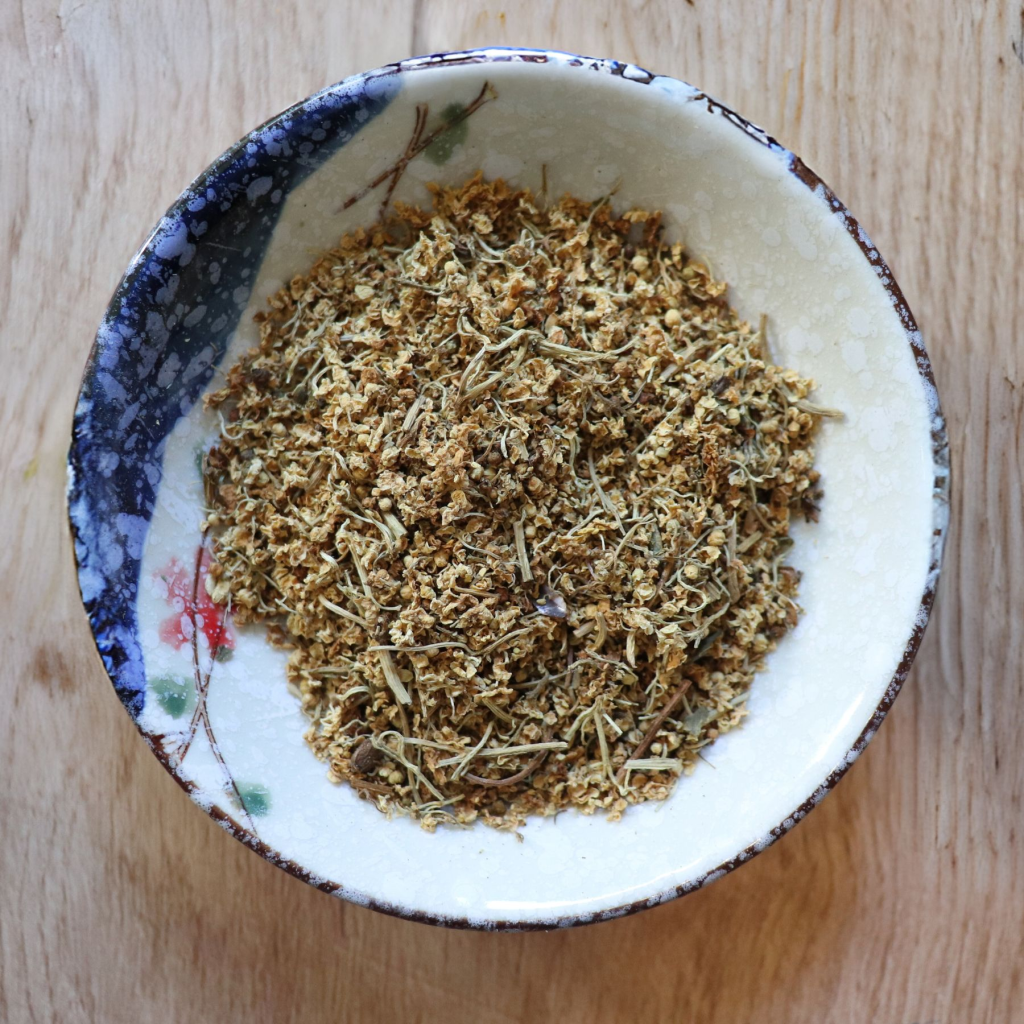
When You Should Choose Elderflower
Reach for elderflower when the problem sits in your body rather than your mind. These real world examples help you recognise it.
- Your sinuses always feel a little swollen, especially in the morning.
- Long days leave you heavy, achy, or slow to bounce back.
- You deal with mild bloat or digestion that feels easily thrown off.
- Your skin gets puffy or reactive when you are stressed.
- You want a daily routine that keeps inflammation from building up.
Elderflower is a quiet maintenance herb. It smooths the rough edges your body collects over time.
When You Should Choose Lavender
Lavender is your best friend when your system feels overstimulated or emotionally wound up.
- You cannot switch your mind off at night even when you are exhausted.
- You wake up with your jaw clenched or shoulders tight.
- You feel tense rather than tired after long days.
- Stress hits you first in your head rather than your stomach.
- You want something to help transition from active to calm.
Lavender is ideal for the body that wants to unwind but does not remember how.
Can You Use Elderflower and Lavender Together
Absolutely. They do not compete. They complement each other.
Elderflower works on physical balance. Lavender works on the mental and emotional layer. Together they support both sides of stress and recovery. People often drink elderflower during the day for steadying benefits and switch to lavender in the evening for relaxation.
The only thing to consider is your goal. If you want calm, lavender is enough. If you want a stable baseline, elderflower is the better long term choice.
Quick Comparison
| Support Area | Elderflower | Lavender |
|---|---|---|
| Sinus and breathing | Strong | Mild |
| Stress and nervous system | Mild | Strong |
| Digestion | Strong | Mild unless stress driven |
| Sleep | Indirect | Strong |
| Inflammation | Strong and cumulative | Mild and short lived |
| Recovery after long days | Strong | Moderate |
| Skin support | Puffiness, redness, irritation | Stress related irritation |
The Part Most People Miss When Choosing Between Them
People often pick lavender when their body actually needs elderflower. They feel stressed, tired, puffy, or slow to recover and assume the problem is emotional. Sometimes it is, but often it is physical. Inflammation, slow digestion, sinus irritation, or immune fatigue can feel mentally heavy. Elderflower helps shift that weight.
On the flip side, some people reach for elderflower when the real issue is tension from constant stimulation. In those moments, lavender cuts through the noise much faster.
Understanding the difference helps you choose the herb that actually matches what you feel rather than the herb you think you are supposed to use.
A Better Way to End This Conversation
Elderflower is one of those herbs that doesn’t shout, but you notice when it’s missing. It keeps pressure down, reduces that lingering puffiness, and helps your whole system rebound faster. When things feel tight, slow, or irritated for no clear reason, elderflower is usually the one that makes the quickest difference.
If you want a daily habit that smooths out the rough patches without adding more effort to your life, this is the cup to start with.
Support your body’s reset with our elderflower tea → Shop Now
Related Articles





-
Reusable Tea Bags (Set of 5)
$ 15.00 -

Matcha Scoop
$ 7.00 -

Matcha Bowl
$ 35.00 -
Blend No.01 - Calendula, Hibiscus, Yerba Mate
$ 15.99 – $ 42.00 -
Chasen Stand
$ 17.00
 We do loose leaves that you can taste and non of that dusty stuff in a bag.