

The flu wipes out your energy fast. Your whole body slows down. Breathing feels heavier. Your head aches from pressure. Even simple tasks feel like too much. Rest helps, but most people want something that gives real comfort while their system works through the worst of it.
Elderflower tea has been used for generations for this exact purpose. Before over-the-counter flu remedies existed, families relied on elderflower during fever cycles, congestion, and the exhaustion that follows viral infections. The floral, soothing profile is only part of the story. The chemistry behind elderflower is what gives it its reputation for respiratory ease, warmth, and steady recovery.
This article breaks down how elderflower tea supports flu recovery in a practical, grounded way.
Why Elderflower Has a History in Flu Care
Across Europe, elderflower was a household remedy for anything involving fever, congestion, or low energy. It was used in warm infusions to support sweating during fevers, to ease sinus pressure, and to help the body feel calmer while fighting infections.
The traditional use lines up cleanly with what we know now. Elderflower contains compounds that help regulate inflammation, oxidative stress, and upper respiratory discomfort. During the flu, all of these factors spike, which is why the body feels so drained.
Elderflower tea meets people where they are during illness. It offers comfort, hydration, warmth, and supportive chemistry without being overwhelming.
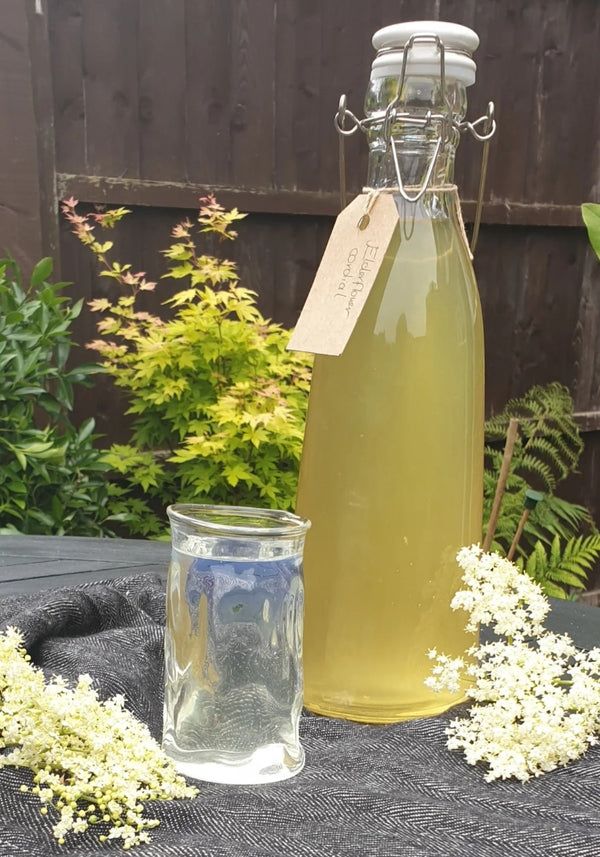
What Elderflower Contains That Helps During the Flu
The primary supportive compounds in elderflower include flavonoids, phenolic acids, rutin, and quercetin. Together, they influence the areas of the body that struggle most during flu infections.
Flavonoids for immune balance
Flavonoids help maintain stability in the immune response. During the flu, immune signaling becomes intense. This contributes to body aches, inflammation, and exhaustion. Flavonoids help reduce the oxidative stress created by this process.
Phenolic acids for inflammation support
Phenolic acids help soothe irritated tissues. This matters during the flu because inflammation drives most of the discomfort you feel in the throat, sinuses, and respiratory tract.
Rutin for circulation
Rutin supports circulation by strengthening small blood vessels. Better circulation means less heaviness, fewer pressure spikes, and smoother temperature regulation.
Quercetin for tissue calm
Quercetin influences cytokine activity, which plays a major role in inflammation and respiratory irritation. During the flu, quercetin’s calming effect helps reduce the intensity of swelling and congestion.
These compounds are not stimulants. They support the body’s natural responses, which is ideal when you are sick and need rest.
How Elderflower Eases Flu Symptoms
Elderflower offers support across several flu symptoms. It does not treat the flu itself. It helps you feel better while your immune system does its work.
Fever and heat discomfort
Warm elderflower tea supports sweating during a fever cycle. Sweating is the body’s natural way to regulate temperature. Traditional “sweat teas” used elderflower for this reason.
The warmth also relaxes tense muscles and helps with chills.
Congestion and blocked sinuses
Flu-related congestion comes from swollen sinus tissues. Elderflower helps reduce this swelling, which makes breathing feel smoother and reduces the pressure behind the eyes and forehead.
People often notice an easier time clearing their nose after drinking it.
Sore throat and dryness
A warm infusion softens dryness and irritation. The anti-inflammatory compounds help calm the throat, which is often raw from coughing or mouth breathing.
Body aches and fatigue
Oxidative stress increases during viral infections. Elderflower helps neutralise some of this stress, which contributes to reductions in general heaviness and muscle discomfort.
Puffiness and fluid retention
Its mild diuretic activity helps the body shed excess fluid. This helps reduce facial puffiness and the heavy, sluggish feeling that often comes with the flu.
How Elderflower Supports Flu Recovery
Flu recovery is not only about symptom relief. It is about how efficiently the body bounces back once the worst has passed.
Elderflower tea supports this recovery in several ways.
Reduced leftover inflammation
Even after the fever drops, inflammation remains high. Elderflower’s polyphenols help bring that down, which improves breathing, appetite, and energy.
Easier respiratory recovery
The respiratory system takes time to settle after viral infections. Elderflower helps calm the irritated tissues that stay inflamed long after symptoms peak.
Improved hydration
Tea keeps you hydrated. Dehydration makes flu symptoms worse and slows recovery. Elderflower offers comfort while keeping fluid intake consistent.
More stable energy
Less inflammation equals less energy loss. People often feel lighter and clearer as they continue drinking elderflower through the recovery phase.
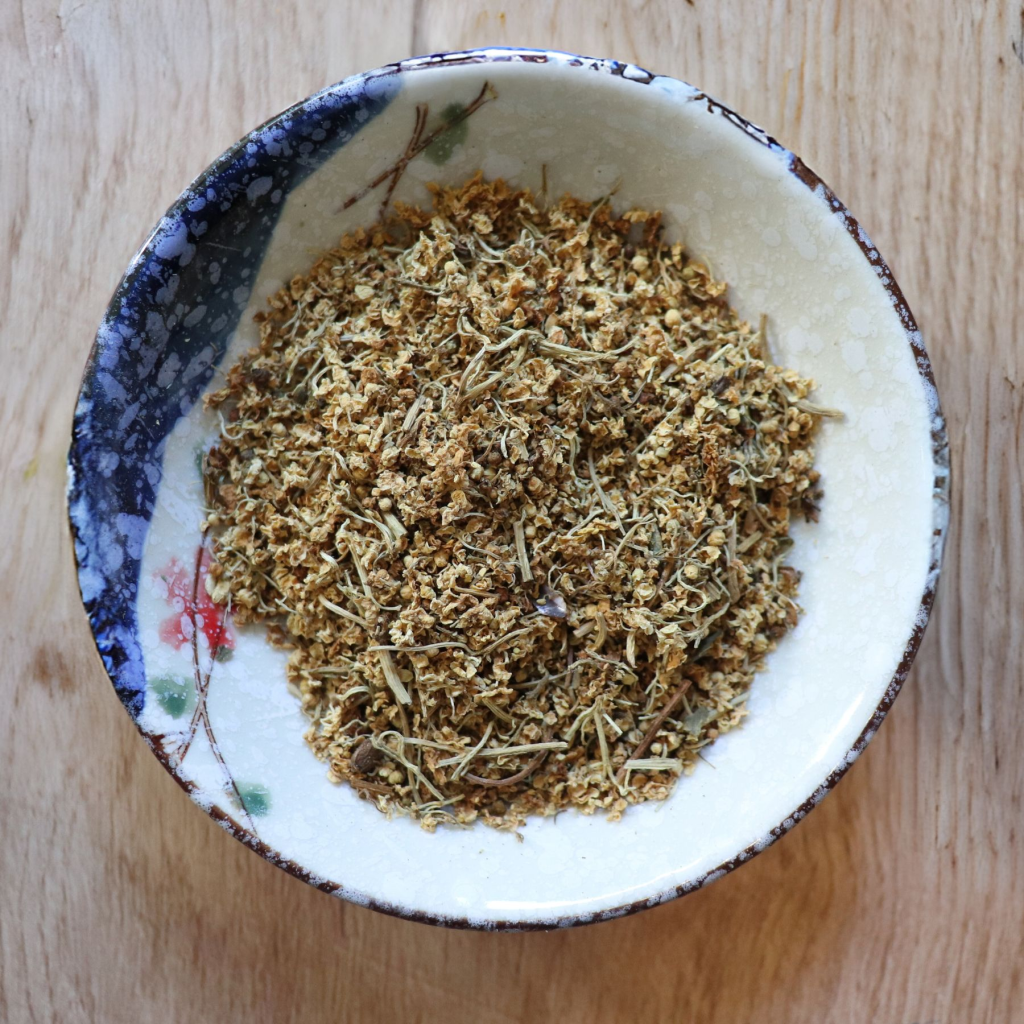
How Elderflower Compares to Other Flu Teas
Herbal flu remedies each have strengths.
Ginger helps with nausea and circulation but can feel intense when sick.
Lemon balm calms tension and supports the nervous system.
Peppermint opens airways and cools heat.
Chamomile helps with sleep but is mild for respiratory symptoms.
Elderflower stands out because it supports several areas at once. It helps with fever comfort, congestion, throat irritation, fluid balance, and recovery. It also blends well with the other herbs without overpowering them.
This makes elderflower a reliable main tea during flu season and an easy base for multi-herb blends.
How to Brew Elderflower Tea for Flu Relief
The brewing process is simple but consistency matters.
Ingredients
- 1 to 2 teaspoons dried elderflower
- 250 ml freshly boiled water
Steps
- Add dried elderflower to your cup or teapot.
- Pour hot water over the blossoms.
- Cover the cup while it steeps.
- Let it infuse for 5 to 10 minutes.
- Strain and drink warm.
Covering the cup prevents aromatic compounds from escaping. These compounds support respiratory comfort.
Comfort-focused add-ins
- Honey for throat smoothness
- Lemon for extra antioxidant support
- Peppermint for clearer breathing
- Lemon balm for relaxation and sleep support
During the flu, warm tea usually feels more helpful than very hot tea.
How Often to Drink Elderflower Tea During the Flu
During active symptoms, most people drink one to three cups per day depending on how they feel. After the worst symptoms settle, one cup a day is often enough to support recovery.
If you have no appetite or energy, keep it simple:
- Brew a larger batch in the morning and reheat small portions.
- Keep a thermos or mug at your bedside.
- Sip slowly rather than drinking all at once.
The goal is steady comfort without effort.
When You Can Expect to Feel Results
Flu symptoms do not disappear instantly with any herbal tea. Elderflower helps in phases.
After the first cup
Smoother breathing, throat comfort, less irritability.
After one to three days
Reduced congestion, fewer pressure spikes, better warmth regulation.
During the recovery stage
Less lingering fatigue, calmer airways, better clarity.
The real strength is in the overall support it provides across the illness cycle.
Safety Notes
Elderflower tea is gentle, but keep these points in mind:
- Only use dried blossoms. Stems and leaves are not suitable.
- If you are pregnant or breastfeeding, ask a professional first.
- People taking diuretics should confirm compatibility.
- If symptoms worsen or last too long, seek medical care.
Herbal support works alongside rest, fluids, and medical treatment when needed.
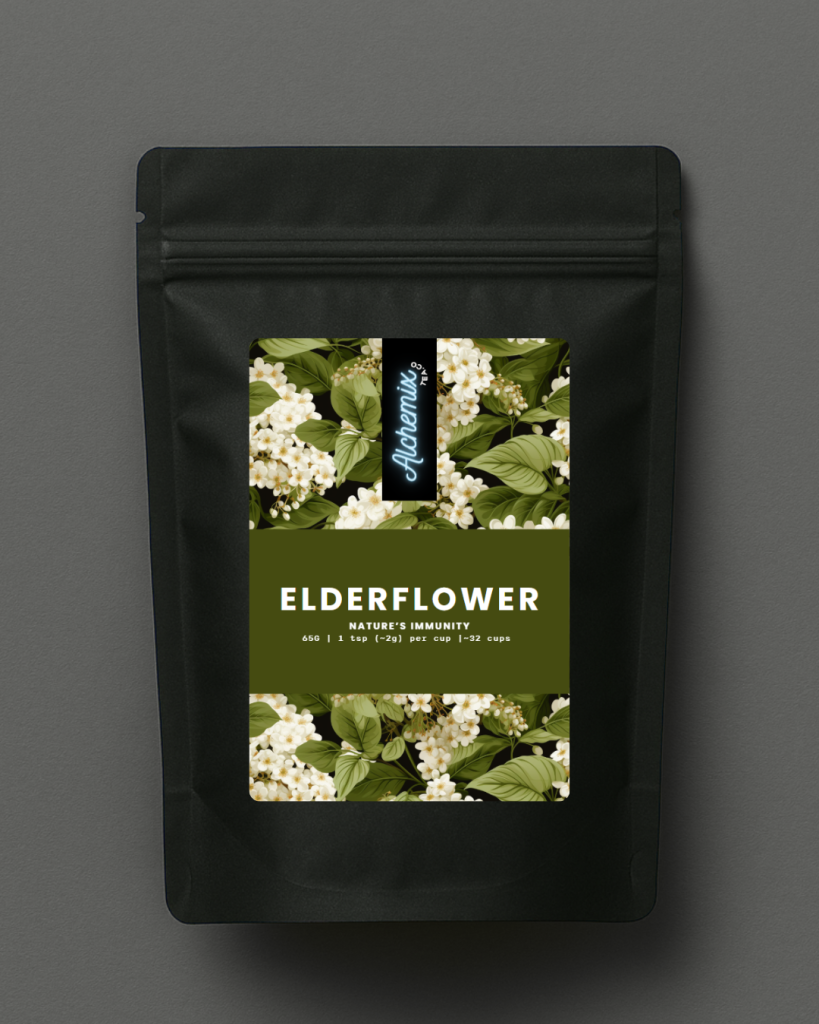
Why Quality Elderflowers Matters When You Are Sick
During illness, your senses are sensitive. A stale or weak elderflower tea tastes flat and offers little support. Freshly dried blossoms retain their floral oils and active compounds. These give the tea its comforting aroma and respiratory benefits.
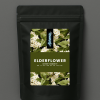
Alchemix Elderflower Tea uses whole blossoms with clean processing. The flavour is soft. The infusion is consistent. The experience is gentle, which matters when your body is already under strain.
The flu makes everything feel harder. Elderflower tea offers steady relief by supporting comfort, breathability, warmth, and easier recovery. It is not a cure, but it is one of the simplest habits that helps your body handle the flu with less discomfort.
A warm cup, taken slowly, makes the recovery window more manageable. And once you start feeling better, continuing for a few days helps bring your system back to balance. Add a pouch of elderflower you can trust when you’re sick. Get yours here today.
Related Articles





-
Soursop Tea
$ 19.00 – $ 52.00 -
Matcha Whisk (Chasen)
$ 25.00 -

Blend No.01 - Calendula, Hibiscus, Yerba Mate
$ 15.99 – $ 42.00 -
Matcha Scoop
$ 7.00 -
Elderflower Tea
$ 15.00 – $ 39.00
 We do loose leaves that you can taste and non of that dusty stuff in a bag.