

Sinus congestion is one of those symptoms that takes over your entire day. Your face feels heavy, breathing feels slow, and the pressure behind your eyes makes everything harder. You are not sick enough to lie down but you are not fully functional either. It is that in-between state that drags on for hours.
People have used elderflower tea for this exact problem for generations. In older European households, elderflower was the household remedy for blocked sinuses, seasonal pressure, and the tired, swollen feeling that settles in your face when your airways are irritated. Today, the chemistry behind elderflower finally explains why it works as consistently as it does.
Why Sinus Congestion Feels So Stubborn
Sinus congestion is not just mucus buildup. It is inflammation inside the nasal passages. When the lining of your sinuses swells, airflow narrows. Even when you breathe fine, the sensation feels heavy, blocked, and slow. You may also experience:
- pressure behind the eyes
- tenderness across the cheeks
- a dull forehead ache
- slowed breathing
- post-nasal drip
These symptoms are linked to inflammation, not just fluid. When inflammation increases, the tissues in the sinuses become puffy and reactive. This is why congestion persists even after clearing your nose.
The goal is to calm the tissue. Once swelling decreases, airflow improves and the pressure reduces.
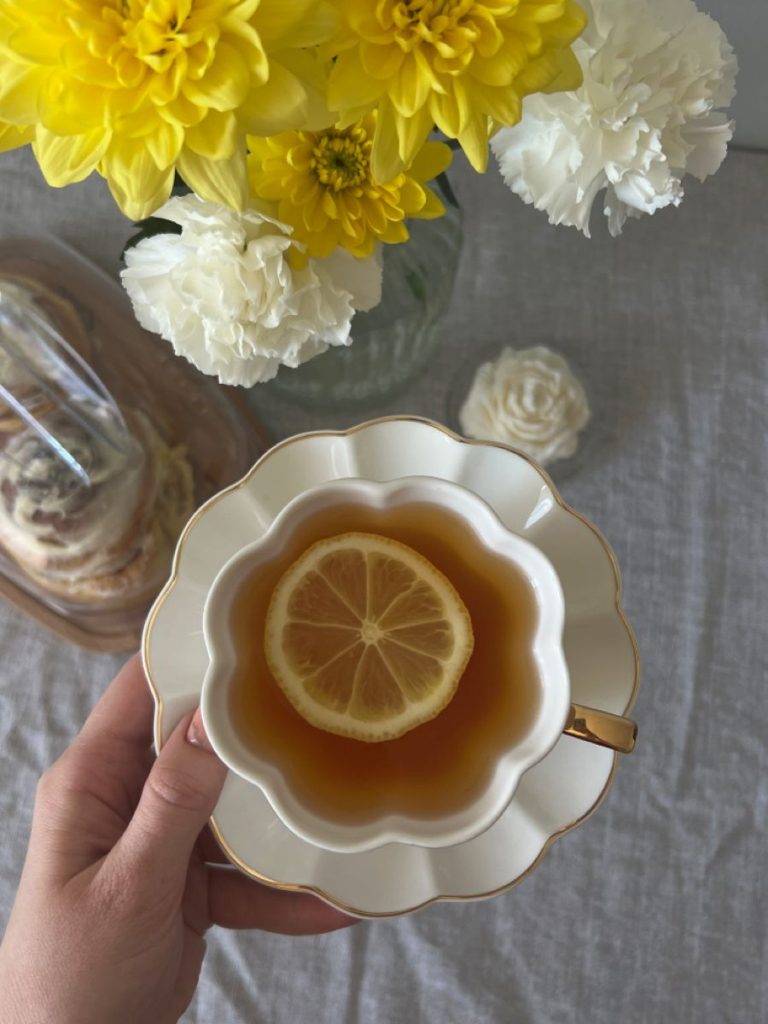
How Elderflower Tea Supports Sinus Relief
Elderflower is rich in flavonoids, phenolic acids, rutin, and quercetin. These compounds influence inflammation, circulation, and fluid balance in the upper respiratory system.
Here is what the research and long-term use show.
1. Elderflower helps reduce sinus inflammation
Most congestion comes from swollen sinus tissue. Elderflower’s flavonoids support the natural reduction of inflammatory markers. With regular use, the lining of the nasal passages feels less irritated and less likely to swell in the first place.
2. Quercetin helps moderate tissue reactivity
Quercetin influences cytokine activity. These are the signals that drive swelling during irritation or exposure. When these signals stay calmer, your sinuses do not overreact to triggers like cold air, dust, or pollen.
3. Rutin supports microcirculation in the nasal passages
Rutin strengthens small blood vessels and reduces fluid leakage into surrounding tissues. That matters because a large part of sinus pressure is caused by fluid accumulation in the tissue around your nasal cavity.
4. Elderflower supports easier breathing without sedation
Many sinus remedies either stimulate or sedate. Elderflower does neither. It helps the airways feel clearer by reducing the tension and swelling, not by forcing a response.
This makes it suitable for day or evening use without affecting your alertness.
Why People Notice Morning Improvement First
Congestion is usually worst in the morning. This happens because the body shifts into slower circulation at night. Inflammatory byproducts accumulate. Fluid pools in the tissues. When you sit up, everything feels blocked.
Daily elderflower drinkers often report that morning congestion becomes lighter and clears faster because inflammation is already lower before waking.
Small changes like this make a big difference across the day.
Daily Elderflower Use and Long-Term Sinus Stability
A single cup of elderflower tea is not enough to clear stubborn congestion. The benefits build gradually.
Three consistent effects show up in daily drinkers:
1. Less reactive sinuses
When inflammatory load stays lower, cold air, dust, cooking fumes, and weather shifts do not trigger congestion as easily.
2. Faster recovery after flare-ups
If your sinuses do get irritated, the window of discomfort is shorter. The swelling stays contained rather than lingering for hours.
3. More stable breathing during high-irritation seasons
People often describe their airways feeling more predictable. Fewer surprises. Less pressure. Better airflow through the day.
This is the type of improvement that makes elderflower valuable as a habit instead of an emergency remedy.
Who Benefits Most From Elderflower for Sinus Relief
Elderflower works particularly well for people who experience:
- seasonal congestion
- blocked sinuses without full cold symptoms
- lingering pressure after mild illness
- congestion from air quality or temperature shifts
- sinus tightness that comes and goes throughout the day
It is especially helpful for people who are not sick but feel congested enough to be uncomfortable.
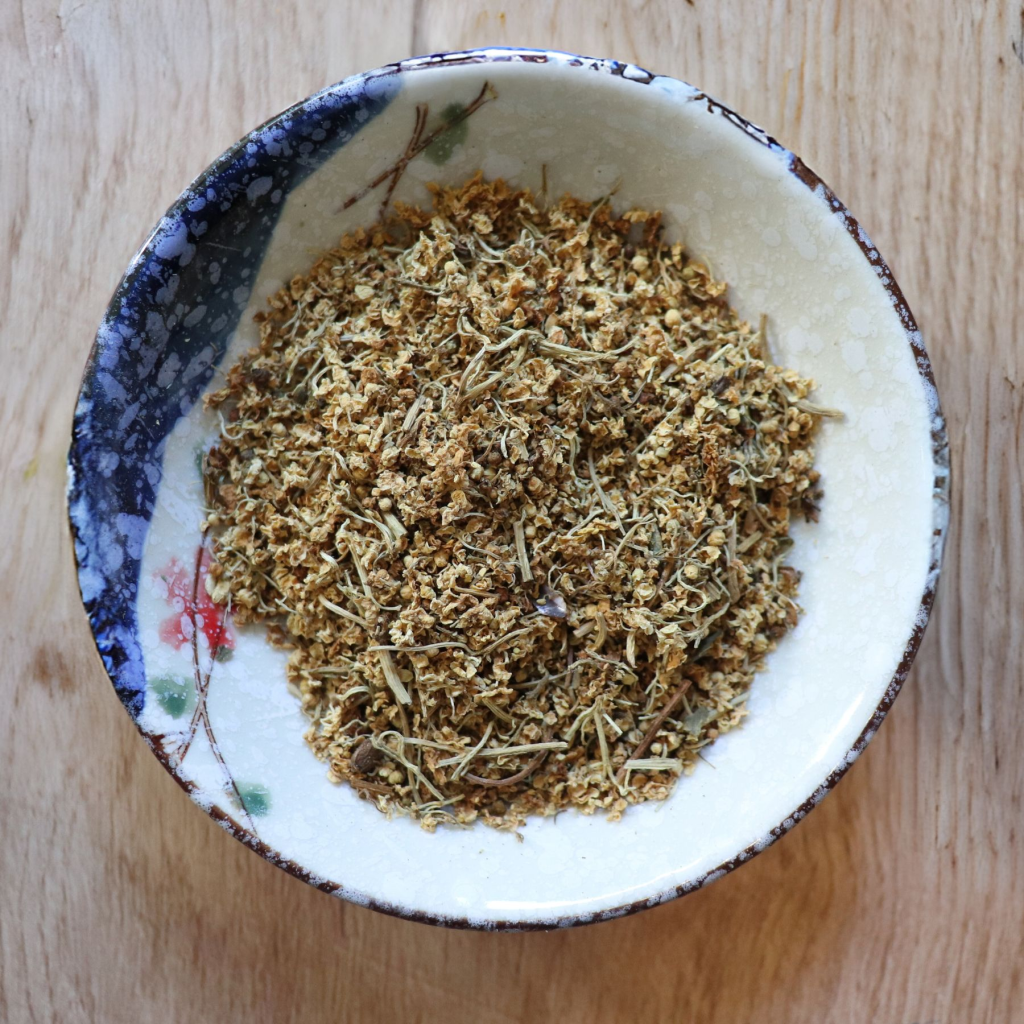
How to Brew Elderflower Tea for Sinus Support
The brewing method is important because elderflower contains aromatic compounds that contribute to its sinus-calming effect.
Ingredients
- 1 to 2 teaspoons dried elderflower
- 250 ml hot water
Instructions
- Place the elderflower in a cup or teapot.
- Pour freshly boiled water over the flowers.
- Cover the cup while it steeps.
- Let the infusion sit for 5 to 10 minutes.
- Strain and drink warm.
Covering the cup keeps the volatile compounds from escaping. These compounds contribute to the upper-respiratory comfort that elderflower is known for.
Optional additions
- Peppermint for a cooling effect on the airways
- Lemon for extra antioxidant support
- Honey for smoother throat comfort
The tea works both hot and iced, although warm tea tends to feel more relieving for sinus conditions.
When to Drink Elderflower Tea for Best Relief
Timing influences how quickly you feel the difference.
Morning
Helps clear overnight congestion and reduces the heavy feeling that often lingers after waking.
Midday
Useful when sinus irritation builds gradually as the day goes on.
Evening
Supports relaxation of facial tension and helps reduce the stuffed-up feeling that makes it harder to settle at night.
Many people use elderflower twice a day during active congestion and once a day when they want maintenance support.
How Long It Takes to Notice Improvement
Sinus relief through elderflower builds over time. Most people see shifts in two stages.
Short-term (3 to 5 days)
Slight reduction in swelling, smoother airflow, less facial pressure.
Medium-term (1 to 2 weeks)
More consistent breathing, fewer congestion spikes, faster recovery.
The goal is not dramatic clearing. The goal is reducing the overall inflammatory environment so your sinuses behave more normally.
Safety and What to Look For in Quality Elderflower
Elderflower tea is generally safe when made from properly dried blossoms. The stems, leaves, and unripe berries of the elder plant are not suitable for tea.
Before using it daily, consider:
- Start small if you have pollen sensitivities.
- If you are pregnant or breastfeeding, check with a professional first.
- If you take diuretics or medications affected by fluid balance, confirm compatibility.
A high-quality elderflower should have a light floral fragrance, pale yellow color, and no bitterness.
Why Quality Elderflower Tea Matters
Poorly handled elderflower loses its active compounds quickly. High-quality dried blossoms retain their volatile oils and flavonoids. These are the same components responsible for sinus support.
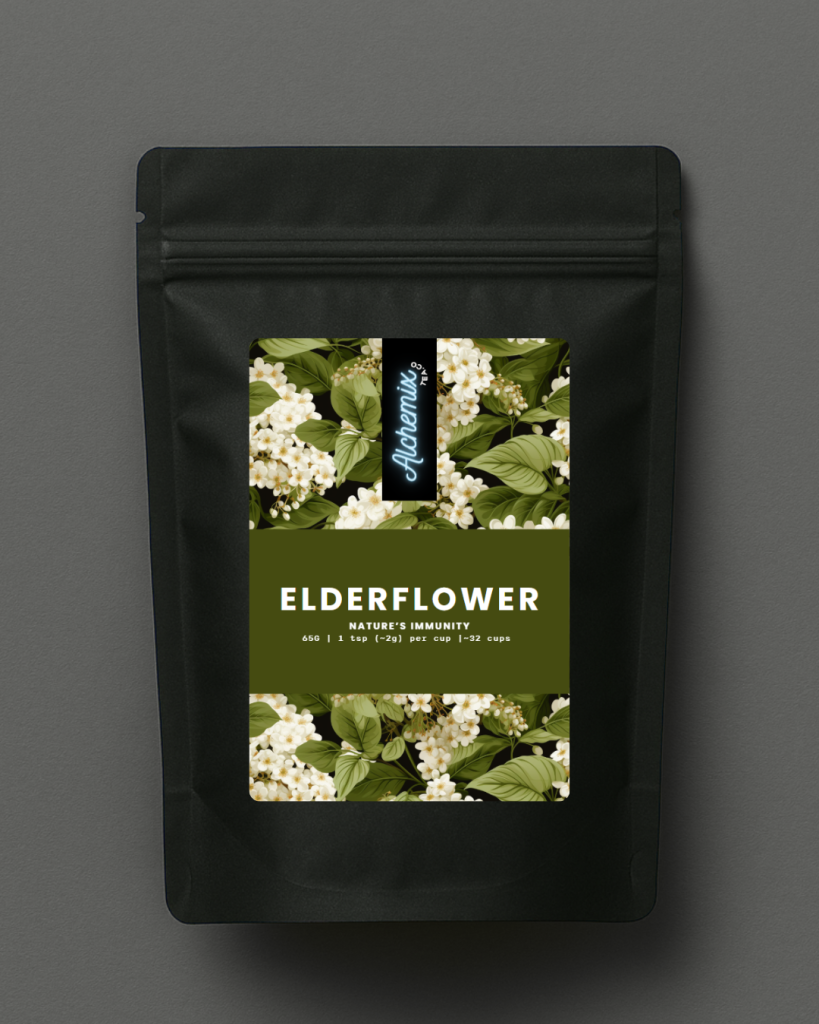
Alchemix Elderflower Tea uses whole blossoms with no fillers. This ensures the tea delivers the respiratory-calming qualities that make elderflower effective for day-to-day congestion.
Sinus congestion disrupts your energy, your focus, and the way your entire face feels. Elderflower tea helps by supporting the parts of the respiratory system that become irritated and swollen. It works gradually, not aggressively, which makes it ideal for people who want steady relief rather than forceful stimulation.
A cup in the morning, a cup in the evening, and a few days of consistency can make breathing smoother, pressure lighter, and your day noticeably easier.
Keep a pouch of elderflower tea on hand for the days your sinuses act up. Grab yours here today.
Related Articles





-

Butterfly Pea Tea
$ 15.99 – $ 45.00 -

Blend No.01 - Calendula, Hibiscus, Yerba Mate
$ 15.99 – $ 42.00 -
Eco Brew Bags
$ 5.99 – $ 17.99 -

English Breakfast Tea
$ 17.50 – $ 47.00 -

Peppermint Tea
$ 17.50 – $ 52.00
 We do loose leaves that you can taste and non of that dusty stuff in a bag.