
Seasonal allergies hit differently when your body is already stretched thin. You wake up congested, your eyes feel gritty, your skin looks irritated for no reason, and even a short walk outside can switch everything on at once. Antihistamines help, but they’re not the whole answer, especially if you deal with the same cycle every year.
Elderflower tea shows up a lot in conversations about natural allergy support. People across Europe have used it for generations to manage congestion, swelling, and irritation. Modern research points to the same pattern: elderflower contains compounds that influence the inflammatory and immune responses behind allergies. It’s not hype. It’s chemistry plus consistency.
If you’re trying to understand what elderflower tea actually does for allergies, here’s the full breakdown.
Why Allergies Hit So Hard
Allergy symptoms aren’t random. They start with histamine, a chemical your immune system releases when it thinks something harmless like pollen is a threat. That cascades into:
- swollen sinuses
- runny nose
- itchy or irritated skin
- watery eyes
- overall reactivity
The bigger problem is inflammation. When histamine spikes, inflammation follows, and tissues stay irritated longer than they should. This is why allergy symptoms linger, flare up suddenly, or make you feel tired even when the congestion isn’t that bad.
Most people try to treat symptoms after they appear. Elderflower works by reducing the underlying stress that makes the body overreact.
How Elderflower Tea Actually Helps With Allergies
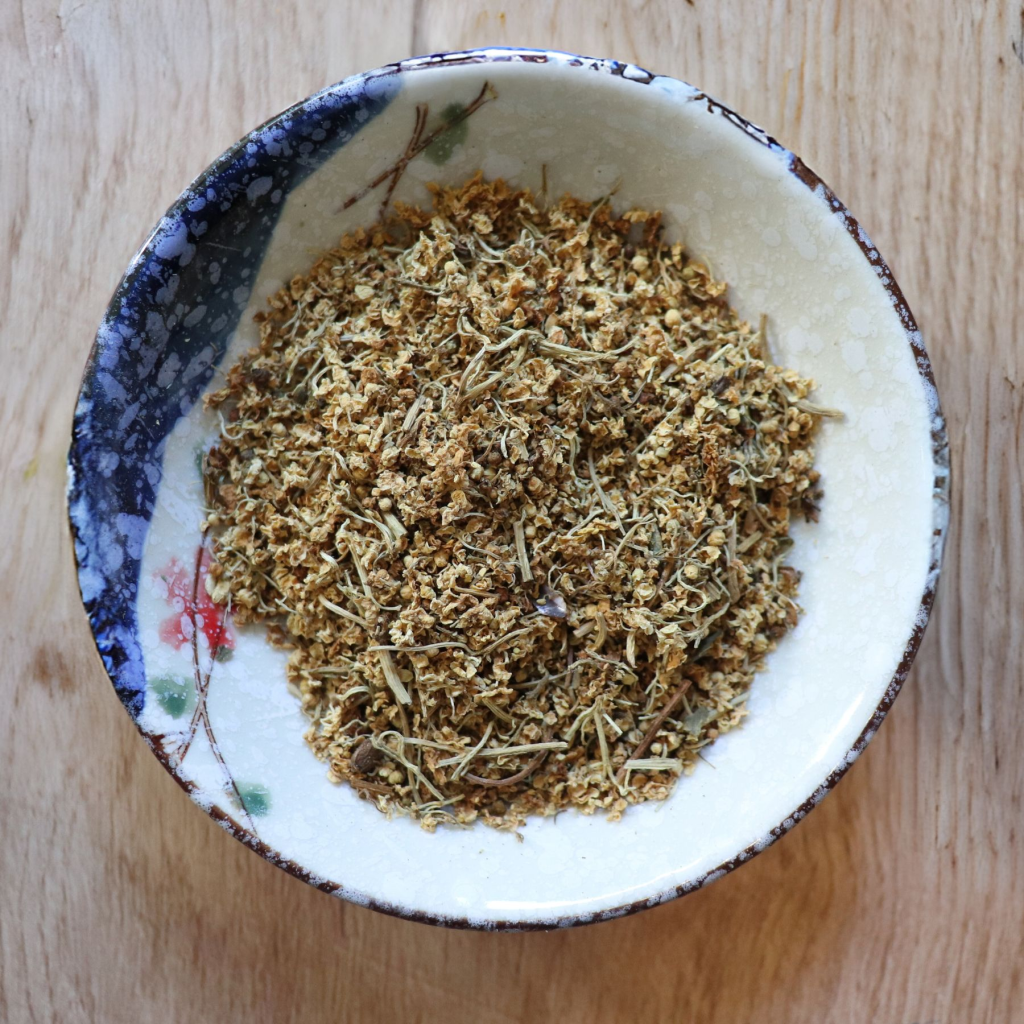
Elderflower tea contains flavonoids, phenolic acids, rutin, and quercetin. These are the parts that matter for allergies because they support the systems most affected during allergy season.
1. Quercetin helps moderate histamine activity
Quercetin doesn’t block histamine like medication does. Instead, it helps calm the cascade that makes tissues swell and itch. You get fewer spikes, and the spikes you do get feel less dramatic.
2. Flavonoids support a steady immune response
A lot of allergy discomfort comes from the immune system staying in overdrive. Flavonoids help regulate oxidative stress so your body isn’t reacting harder than it needs to.
3. Rutin reduces puffiness and capillary irritation
If you deal with eye puffiness, sinus pressure, or redness when allergies hit, rutin is one of the quiet reasons elderflower helps. It supports blood vessel stability and reduces fluid buildup.
4. Phenolic acids help with tissue calm and faster recovery
These compounds help your body settle back down after exposure. Instead of staying irritated for hours, tissues rebound faster.
Taken together, these plant compounds support the same systems that get overwhelmed during pollen season, but they do it in a gentle, daily way.
Elderflower Tea for Hay Fever and Sinus Pressure
Hay fever is the most common reason people reach for elderflower tea. It’s not going to wipe out severe symptoms, but it helps make allergy days more manageable.
People who drink elderflower tea consistently report a similar pattern:
- mornings feel less blocked
- sinus pressure is less intense
- post-exposure flare-ups settle faster
- breathing feels smoother on high-pollen days
Elderflower works best for the people stuck between “not sick enough for medication” and “not well enough to ignore it.” If your allergies are mild to moderate, the daily support makes a noticeable difference. If they’re severe, elderflower pairs well with your existing routine but won’t replace your meds.
The key here is consistency. One cup doesn’t do much. Daily use stabilises the baseline so your sinuses aren’t fighting inflammation all day.
Elderflower Tea for Allergy-Triggered Skin Irritation
Allergies show up on the skin more than most people realise. If your skin gets red, puffy, itchy, or flushed during peak pollen weeks, that’s your immune system reacting through your skin barrier.
Elderflower tea helps because:
- quercetin and rutin support calmer skin responses
- antioxidants reduce oxidative stress that triggers redness
- its mild diuretic effect helps with puffiness
- it supports smoother circulation through irritated tissues
The changes aren’t dramatic. They’re steady. People with reactive or weather-sensitive skin usually notice fewer flare-ups, less random redness, and improved comfort when the air quality or pollen count is rough.
Elderflower doesn’t replace skincare, but it makes everything else work better because your system isn’t fighting low-level inflammation all day.
How Elderflower Tea Compares to Other Herbal Allergy Teas
You’ll see chamomile, peppermint, nettle, and elderflower grouped together in the “allergy tea” category. They’re not interchangeable.
Here’s the quick rundown:
Chamomile: calm and soothing but mild as an antihistamine
Peppermint: opens airways and cools irritation, great paired with elderflower
Nettle: stronger antihistamine-like effects but harsher on sensitive stomachs
Elderflower: gentle, multi-system support with fewer side effects
Elderflower is the daily driver. You can use it morning or night without drowsiness, stomach stress, or stimulation. It also layers well with other herbs rather than overpowering them.
What Elderflower Tea Doesn’t Do
Setting expectations helps you actually benefit from it.
Elderflower tea won’t:
- stop a severe allergy attack
- replace antihistamines
- clear sinuses instantly
- act like a decongestant
What it does is reduce the inflammation that makes allergies worse, shorten recovery time, and help your body react less intensely. It’s long-game support, not a quick fix.
How to Brew Elderflower Tea for Allergy Relief
You can brew elderflower tea like any herbal infusion, but a few tweaks help extract the compounds that matter for allergies.
What you need
- 1–2 teaspoons dried elderflower
- 250 ml freshly boiled water
- A cup or teapot with a lid
How to make it
- Add elderflower to your mug.
- Pour over hot water.
- Cover the cup to trap the volatile oils.
- Steep for 5–10 minutes depending on taste.
- Strain and drink warm.
Covering the tea is important because elderflower contains aromatic compounds that evaporate quickly. Keeping them in the cup preserves the anti-inflammatory benefits.
Add-ins that support allergies
- Lemon for extra vitamin C and flavonoid absorption
- Peppermint for clearer breathing
- Honey for throat irritation and smoother flavour
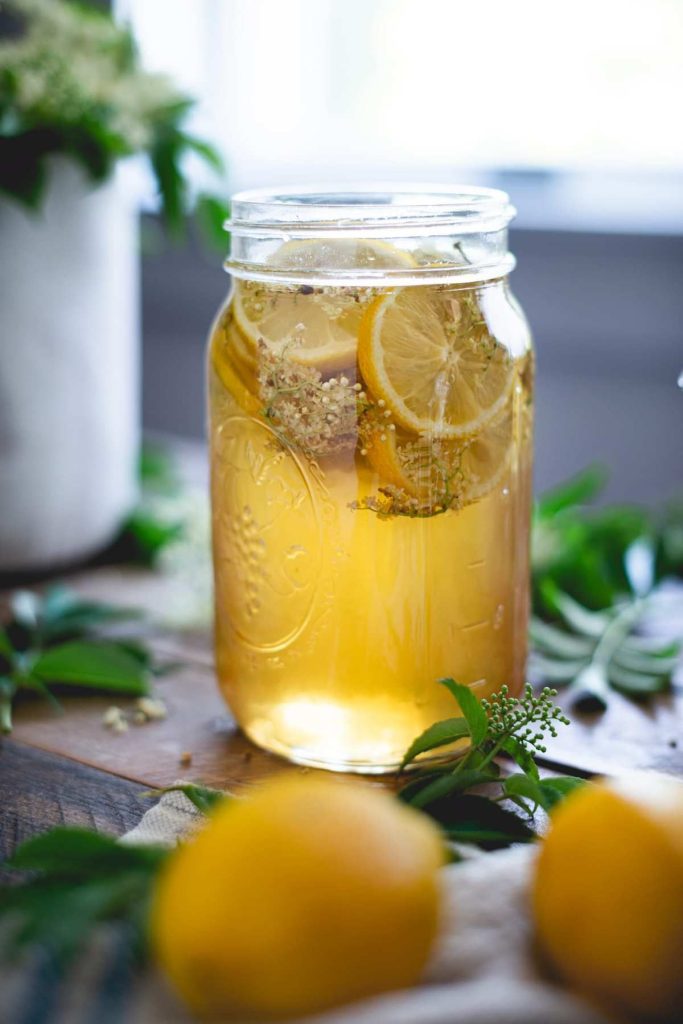
You can drink elderflower tea hot or iced. The benefits are the same.
When to Drink It for Best Results
Timing matters more than most people realise.
Morning
Helps manage overnight inflammation and reduce that heavy, blocked feeling when you wake up.
Afternoon during high pollen days
Supports your system when exposure peaks.
Evening
Useful for reducing facial puffiness and preparing your body to settle after a long day of irritation.
The best results come from daily use during allergy season. You’re not chasing symptoms—you’re keeping the inflammatory load low enough that symptoms don’t take over.
How Long It Takes to Notice a Difference
If you drink elderflower tea consistently, you typically see:
- small improvements within 3–5 days
- better breathing and skin comfort after about a week
- more stable reactions after 2–3 weeks
It’s subtle but steady. Your baseline improves first, then your symptoms.
Who Benefits Most From Elderflower Tea During Allergy Season
Elderflower tea is a solid match if:
- your allergies are predictable and seasonal
- your sinuses get inflamed easily
- you get puffy under the eyes during pollen spikes
- your skin reacts to weather changes
- you need something gentle enough for daily use
- you want support without sedation
It’s especially helpful for people with low to moderate allergy symptoms who don’t want to rely on antihistamines every day.
A Few Safety Notes
Elderflower tea is generally gentle, but it helps to keep a few things in mind:
- If you’re sensitive to pollen, test a small amount first.
- Avoid unprocessed stems or leaves; they’re not meant for tea.
- Pregnant or breastfeeding? Check with a professional first.
- If you take diuretic medications, talk to your doctor before drinking it daily.
A high-quality elderflower tea should contain only the dried blossoms—light, floral, and pale yellow.
Where to Get Quality Elderflower Tea
Freshness matters. Elderflower loses potency fast when it’s processed badly or stored with filler herbs. High-quality blossoms keep their floral oils and deliver the consistent support you want during allergy season.
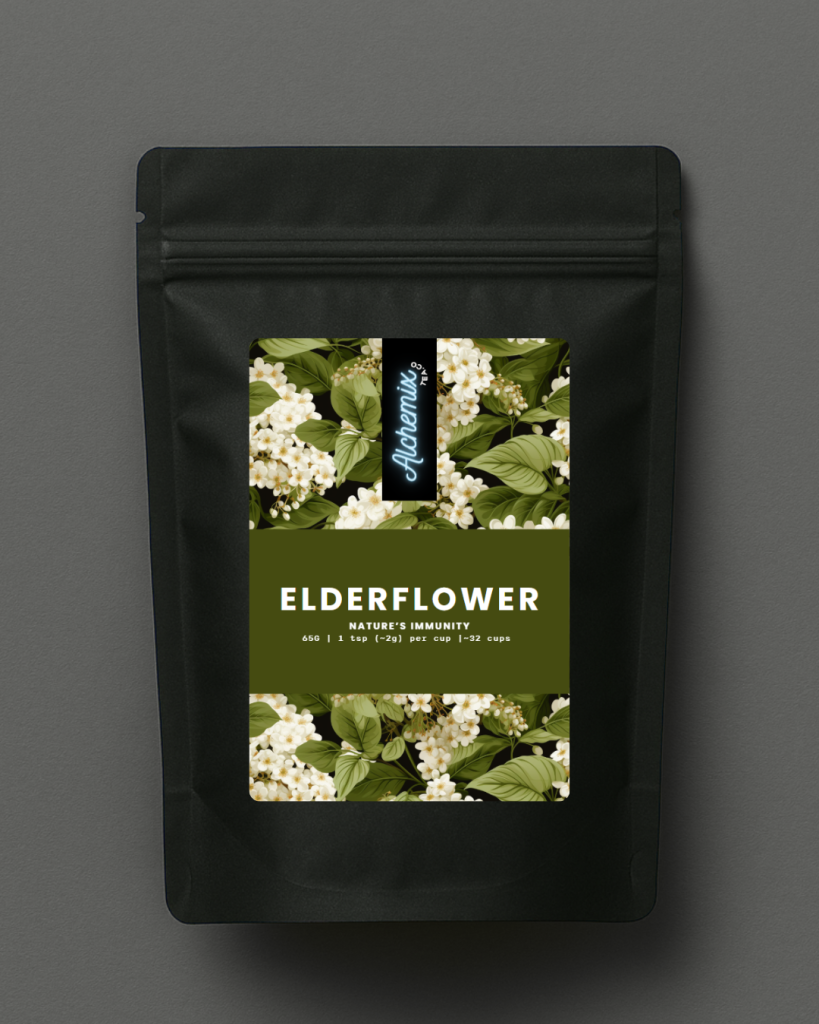
If you want a clean, pure elderflower tea without additives, the Alchemix version is crafted for daily use—light, reliable, and ideal for people who want smoother breathing, calmer skin, and fewer inflammatory spikes.
Allergies aren’t just about histamine. They’re about how reactive your body is day to day. Elderflower tea supports that baseline. You get fewer spikes, easier mornings, less puffiness, and a calmer system overall. It doesn’t replace medication when symptoms are severe, but it fills the gap between “fine” and “struggling” that so many people deal with every season.
If you want the kind of daily support that doesn’t feel heavy or medicinal, elderflower tea is one of the easiest habits to add. Brew a cup, stay consistent, and notice how your body behaves when it’s not overwhelmed by every speck of pollen in the air. Buy quality elderflower tea here.
Related Articles





-
Stainless Steel Tea Infuser
$ 18.00 -
Everyday Matcha
$ 19.00 – $ 49.00 -
French Earl Grey
$ 19.00 – $ 49.00 -
Blend No.01 - Calendula, Hibiscus, Yerba Mate
$ 15.99 – $ 42.00
 We do loose leaves that you can taste and non of that dusty stuff in a bag.