
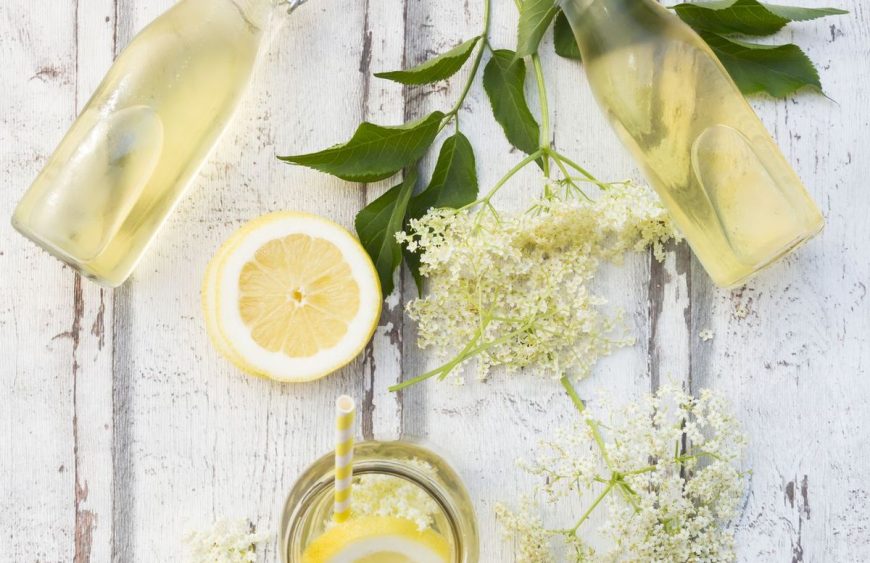
Chest tightness can make your whole body tense. Your breaths feel shallow. Your ribs feel tight. Any small irritation in the airways becomes amplified because the chest is already working harder than usual. It is uncomfortable enough to disrupt focus, sleep, and even simple movement.
People have used elderflower tea for a long time to help with this feeling. It is not a dramatic decongestant. It is not a stimulant. It is a gentle respiratory support tea that calms irritation, reduces swelling, and helps the chest feel less restricted. That is why it remains a staple for anyone dealing with lingering chest discomfort after illness, weather changes, allergies, or overreactive airways.
This article breaks down how elderflower actually helps with chest tightness and how to use it for clearer breathing.
Why Elderflower Has a Long Role in Respiratory Care
Across Europe and the UK, elderflower was a household staple for anything involving the chest. Families brewed it for coughs, lingering tightness after colds, mild chest pressure, and slow, heavy breathing. It was valued because it supported the upper and mid respiratory system without being aggressive or overwhelming.
Modern research explains why it was used this way. Elderflower contains flavonoids, phenolic acids, rutin, and quercetin. These compounds support the airways by reducing inflammation, easing irritation, and improving microcirculation. When the chest feels tight, these effects matter.
Elderflower has always been a day-to-day support herb, not a forceful expectorant. That makes it ideal for people who want comfort and easier breathing without intensity.
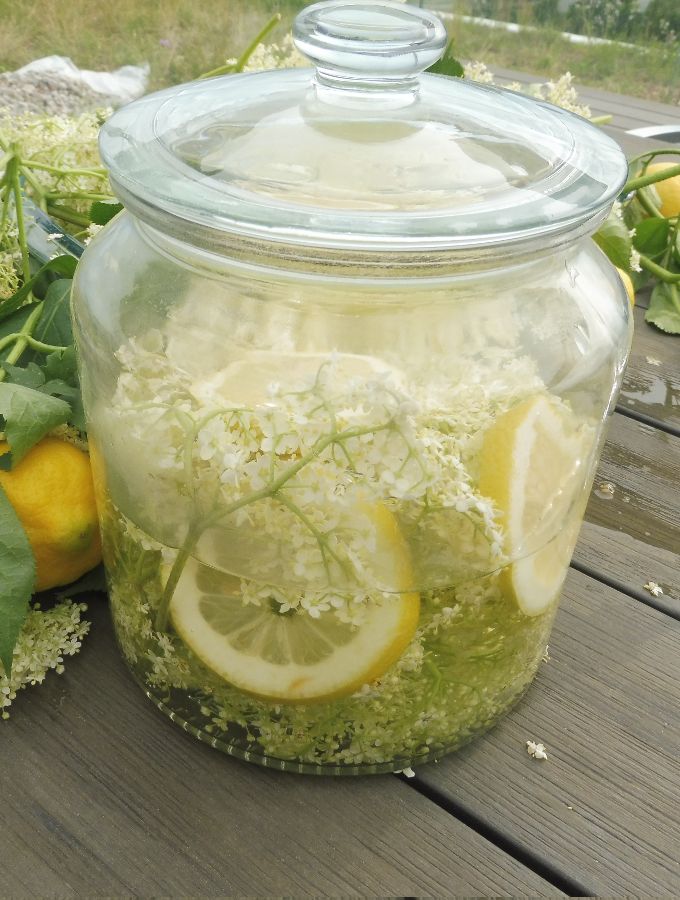
The Compounds in Elderflower That Help the Chest Relax
Chest tightness usually comes from one of three issues: inflammation, residual mucus, or tension from shallow breathing. Elderflower interacts with all three in specific ways because of its chemistry.
Flavonoids
These help regulate inflammation throughout the airways. When inflammation drops, the tissues around the chest expand and contract more comfortably.
Phenolic acids
These calm irritated bronchial tissues. Flu, colds, and dry weather leave these tissues raw and sensitive, which creates a tight feeling when inhaling. Phenolic acids help settle that irritation.
Rutin
Rutin supports circulation in the small blood vessels along the chest and rib area. Better circulation means less heaviness and less fluid buildup. People often notice less tightness after drinking elderflower consistently for a few days.
Quercetin
Quercetin interacts with inflammatory signaling that affects breathing comfort. When these signals calm down, the chest feels less squeezed.
None of these compounds force a reaction. They support the body’s ability to settle, which is ideal when the chest already feels sensitive.
How Elderflower Helps With Chest Tightness
Chest tightness is not a single symptom. It comes from a mix of swelling, irritation, tension, and mucus. Elderflower helps in several specific ways.
Reduced airway inflammation
Swelling inside the airways makes breathing feel tight. Elderflower’s flavonoids help ease this swelling so air can pass more comfortably.
Calmer respiratory irritation
Irritated bronchial tissue reacts to small triggers like cold air, talking, or deep breaths. Elderflower moderates that irritation, creating a smoother breathing experience.
Less heaviness and pressure
Rutin helps reduce fluid-related heaviness. This is especially useful when chest tightness follows a cold or flu.
Relaxation of upper chest tension
Warm elderflower tea relaxes the muscles involved in shallow breathing. When the chest muscles relax, breathing naturally deepens.
These effects do not hit all at once. They accumulate with consistent use.
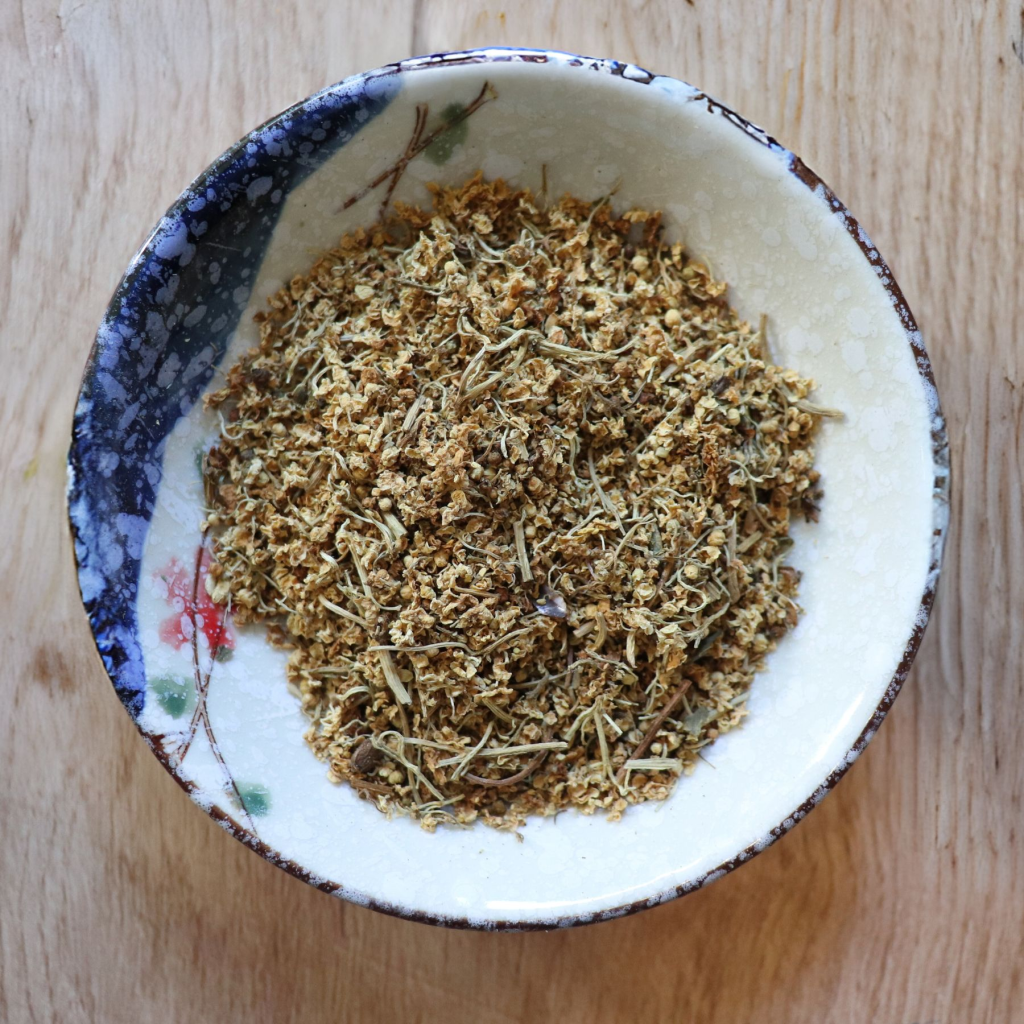
Support for Mucus-Related Tightness
Not all chest tightness comes from inflammation. In many cases, it comes from lingering mucus that sticks to the airways and makes the chest feel restricted.
Elderflower helps in a gentle, manageable way:
- it keeps the chest hydrated
- it supports the thinning of residual mucus
- it reduces irritation triggered by coughing
- it helps prevent the cycle of cough leading to more tightness
It does not act like a strong expectorant. Instead, it helps the body handle mucus with less discomfort.
This makes elderflower ideal during the stage after a cold or flu when you are no longer sick but still feel tight or heavy in the chest.
Chest Tightness Has Multiple Causes. Elderflower Helps With Some Better Than Others.
People often confuse where their chest tightness comes from. Understanding the cause helps you know what elderflower can and cannot help with.
Inflammation
- Feels like pressure, heaviness, or sore breathing.
- Elderflower helps here.
Residual mucus
- Feels like something sitting in the chest that refuses to shift.
- Elderflower supports this gently.
Airway irritation
- Feels sharp, sensitive, or reactive.
- Elderflower helps calm the tissue.
Anxiety-related shallow breathing
- Feels tight from muscle tension rather than the lungs.
- Elderflower helps indirectly because warmth relaxes the chest, but it does not target anxiety.
Elderflower offers meaningful support for irritative and inflammatory tightness, not emergency tightness or medical-grade chest pain.
Who Benefits Most From Elderflower for Breathing Ease
Elderflower is a strong match for people who experience:
- chest tightness after a cold or flu
- chest pressure during allergy season
- mild airway irritation from dry or polluted air
- tightness linked to coughing
- a tired feeling in the chest after illness
- restricted breathing that improves with warmth
It suits people who prefer gentle, daily support instead of strong herbs that stimulate or push the chest too hard.
How Elderflower Compares to Other Respiratory Herbs
Respiratory herbs all have their own strengths.
Thyme
Strong expectorant, can be intense in flavor and sensation.
Peppermint
Great for opening the upper airways. Strong cooling effect.
Mullein
Deep lung support. Earthy and grounding.
Ginger
Warming and stimulating. Good for mucus but can be too sharp.
Elderflower
Gentle respiratory support, easing tightness, irritation, and swelling. Works daily, blends easily, and never feels overwhelming.
People often blend elderflower with mullein or peppermint for broader respiratory support.
How to Brew Elderflower Tea for Chest Comfort
Brewing elderflower tea the right way helps preserve the aromatic compounds that support respiratory ease.
You will need
- 1 to 2 teaspoons dried elderflower
- 250 ml freshly boiled water
Steps
- Place the elderflower in a cup or teapot.
- Pour hot water over it.
- Cover the cup to keep aromatic compounds from escaping.
- Steep for 5 to 10 minutes.
- Strain and drink warm.
For chest tightness, slightly stronger infusions often feel better. Steeping closer to 10 minutes is helpful.
Optional additions
- Peppermint for upper airway clarity
- Honey for soothing coughing
- Lemon for antioxidant support
- A small amount of mullein for deeper chest comfort
Warm tea works better than iced tea for respiratory ease.
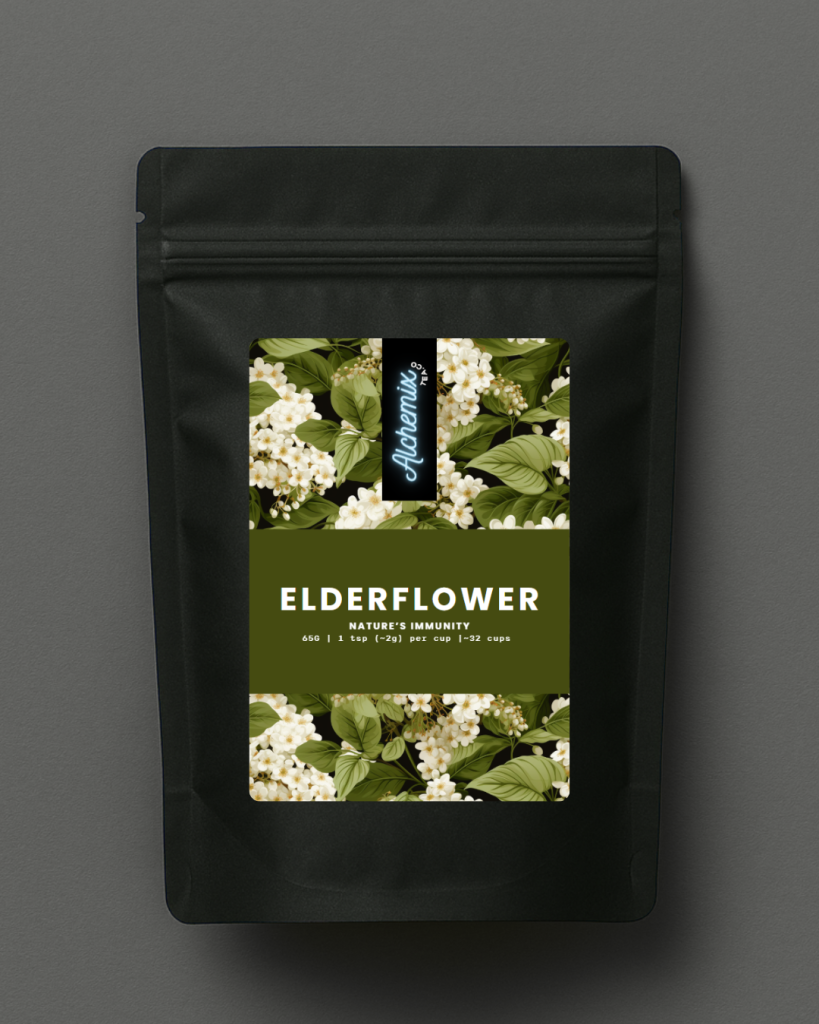
When to Drink Elderflower Tea for Clearer Breathing
The timing influences how quickly you feel results.
Morning
Helps reduce overnight tightness and encourages deeper breathing.
Afternoon
Useful when irritation builds from air quality or activity.
Evening
Relaxing for the chest and helps prepare the body for more comfortable nighttime breathing.
Many people drink elderflower twice a day when chest tightness is active and once a day for maintenance.
How Long It Takes to Notice Improvements
Elderflower works gradually, which is what makes it easy on sensitive airways. Most people describe improvement in stages.
After the first cup
A gentle sense of release in the chest and a smoother breathing rhythm.
Within a few days
Less overall tightness and a noticeable drop in irritation.
By the end of the week
A more comfortable chest and clearer breathing across the day.
The goal is steady respiratory comfort, not instant clearance.
Safety Notes
Elderflower tea is gentle, but a few points matter.
- Only use dried blossoms. Stems and leaves are not suitable.
- If you are pregnant or breastfeeding, consult a professional first.
- If you take diuretics, check for compatibility.
- Seek medical care if chest tightness feels severe, sudden, or sharp.
Elderflower is for comfort and mild respiratory support, not urgent chest symptoms.
Why Quality Elderflower Makes a Difference
The fresher the blossoms, the stronger the aromatic support. Quality elderflower has a clean floral scent and a soft, naturally sweet profile. Older, stale elderflower loses both flavor and effectiveness.
Alchemix Elderflower Tea uses whole blossoms that retain their volatile oils, giving you a smooth, reliable cup that supports breathing comfort every time.
Chest tightness can drain your energy and make daily tasks harder than they should be. Elderflower tea helps by calming the irritations and inflammation that create that heavy, restrictive feeling. It supports smoother breathing, softer chest tension, and a more relaxed respiratory environment.
One cup will not change everything, but a few days of consistent use can make breathing feel clearer and more manageable. If you want something simple to help your chest feel more comfortable, you can start with a pouch of our elderflower tea.
Related Articles





-
Matcha Whisk (Chasen)
$ 25.00 -
Fine Mesh Matcha Sieve
$ 12.00 -

Blend No.03 - Peppermint, Milk Thistle, Nettle
$ 15.99 – $ 42.00 -
Reusable Tea Bags (Set of 5)
$ 15.00
 We do loose leaves that you can taste and non of that dusty stuff in a bag.