
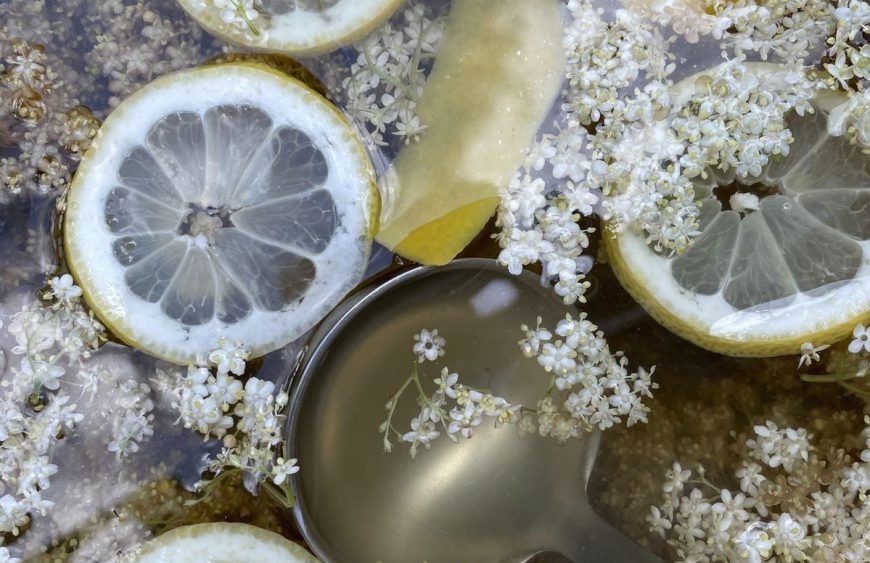
Elderflower and chamomile often sit side by side on the same shelves, both framed as gentle herbal teas suited to sensitive drinkers. They’re floral, caffeine-free, and often recommended for comfort. But beyond that surface similarity, they work very differently in the body. Elderflower is clearer, lighter, and better for sinus comfort, fluid balance, and inflammation-related tension. Chamomile is heavier, warmer, and best for relaxation, digestion, and helping the body wind down.
If you’ve ever felt unsure about which one to choose, this guide breaks the differences down in a clear, clinical way that makes the decision much easier.
Why These Two Teas Are Often Compared
People group elderflower and chamomile together for two main reasons. Both teas have soft, floral profiles and both are considered safe options for people who react easily to stronger herbs. That creates the impression that they deliver similar effects.
In reality, they act on different systems. Elderflower influences sinus openness, mild inflammation, and fluid distribution. Chamomile acts more on the nervous system and digestive function. One brings clarity, the other relaxation.
Understanding that division changes how you choose and use each tea.
Common Misunderstandings
A few misconceptions come up repeatedly:
- Some assume elderflower is a sleep tea.
- Some think chamomile helps with sinus pressure.
- Many believe they offer the same level of “calming.”
- Others treat chamomile as a fix for puffiness or monthly fluid retention.
These assumptions aren’t accurate. Elderflower and chamomile offer different forms of support and feel completely different once you drink them. So what’s the big difference?
Elderflower: ideal for sinus comfort, fluid balance, and mild inflammatory tension.
Chamomile: ideal for digestion, relaxation, and pre-sleep calm.
This is the simplest way to separate them.
How They Feel in the Body
A practical way to understand the difference is through sensation.
Elderflower’s body feel
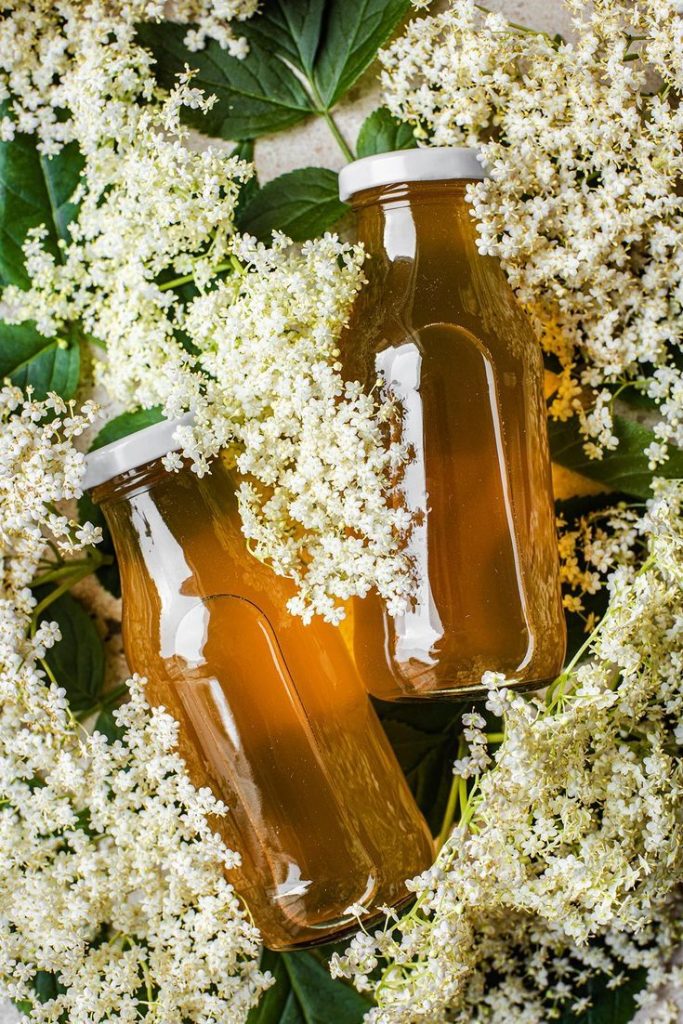
Elderflower is light and clean. It has a bright, floral warmth that softens tension around the face, forehead, and upper airways. Many people notice a gentle sense of openness when their sinuses feel dull or reactive. It’s the kind of tea you can drink during the day because it doesn’t slow you down or create drowsiness.
It also provides mild support for fluid movement, which is why people often use it for puffiness or monthly heaviness. The effect is subtle but steady.
Chamomile’s body feel
Chamomile has a deeper, more grounding presence. It creates a heavier calm and supports the nervous system in settling. Many people experience a noticeable unwinding effect, which is why chamomile is such a common part of evening routines.
It also supports digestion, especially after meals, and is helpful for people who hold tension in their stomach during stress.
Where elderflower clears, chamomile slows and soothes.
When Elderflower Is the Better Choice
Elderflower suits situations where the body feels heavy, tight, or swollen in the upper areas of the head and chest. People often choose it after waking with sinus tightness, or when seasonal changes create pressure behind the eyes. It’s also helpful for facial puffiness, mild fluid retention, and inflammation that sits around the head.
Many people rely on elderflower during spring and summer, when pollen and humidity make sinus tissues reactive. It’s also a calming choice for PMS-related puffiness and bloating.
If your discomfort feels like heaviness, congestion, or inflammation around the face or head, elderflower usually offers the most comfort.
When Chamomile Makes More Sense
Chamomile belongs to a different category. It’s the tea you choose when your body needs to settle rather than clear. It naturally prepares the body for rest, which makes it a perfect evening tea. People use it when stress accumulates or when they experience digestive tightness after eating.
Chamomile is also helpful for those who feel overstimulated at the end of the day or struggle to shift into a slower rhythm before bed. It supports the gut and nervous system in equal measure.
If the issue is tension, stress, or difficulty winding down, chamomile is the better fit.
Elderflower vs Chamomile: What Each Tea Actually Does
The differences are clearer when divided by the type of support each tea provides.
Elderflower helps with:
- sinus tightness and head pressure
- facial puffiness or fluid retention
- mild inflammatory irritation
- daytime comfort without drowsiness
Chamomile helps with:
- relaxation and nervous system calm
- digestion after meals
- pre-sleep routine
- stress-linked tension in the body
Both are gentle, but their roles don’t overlap as often as people think.
Which Tea Suits You
Here’s a simple way to identify which tea fits your habits and needs.
Elderflower suits people who:
- deal with sinus heaviness
- want a light, floral tea
- prefer something they can drink throughout the day
- experience puffiness or fluid imbalance
- get tension headaches
- want clarity rather than sedation
Chamomile suits people who:
- need help relaxing in the evening
- want a sleep-friendly tea
- carry stress in their stomach, chest, or shoulders
- experience digestive discomfort
- enjoy warm, sweet, grounding herbs
- want a night-time ritual
This “self-match” approach is one of the easiest ways to choose between the two.
Taste, Texture, and Brew Behaviour
Elderflower has a soft floral flavour that brews into a pale golden cup. The tea benefits from being steeped with the cup covered, as the aromatics contribute to its clarity-supporting effects. The mouthfeel is light, almost airy, and never heavy.
Chamomile has a fuller body and a naturally sweet, apple-like aroma. It tolerates longer steeping without developing bitterness. Many people add honey because it complements chamomile’s creamy warmth.
Flavour preference often ends up being the deciding factor for long-term use.
Best Times of Day to Drink Each Tea
The timing makes a noticeable difference.
Morning: elderflower brings clarity without slowing you down.
Afternoon: either can work, depending on whether comfort or calm is needed.
Evening: chamomile is more appropriate because it helps transition into rest.
Night: chamomile only.
All-day use: elderflower is easier to drink consistently.
This day-by-day rhythm makes it clear why most people keep both teas for different moments.
Choosing Based on Your Goals
Different goals lead to different choices.
- If you need sinus relief, choose elderflower.
- If you need to relax or unwind, choose chamomile.
- If you need digestive ease, choose chamomile.
- If you want to reduce puffiness or mild fluid retention, choose elderflower.
- If you want better sleep, chamomile is the right choice.
- If you want a daily comfort tea, elderflower is lighter and easier for ongoing use.
Choosing by purpose ensures you get the most out of each one.
Safety and Sensitive Groups
Elderflower is usually well tolerated but may cause issues for people with pollen allergies. Its mild diuretic effect means it’s best to start slowly if you’re sensitive to fluid shifts.
Chamomile belongs to the same plant family as ragweed, so anyone with ragweed allergies should be cautious. It also has a mild sedative quality, meaning it can interact with other calming herbs or supplements.
Overall, both teas are gentle, but being aware of sensitivities helps you use them more comfortably.
What Quality Looks Like
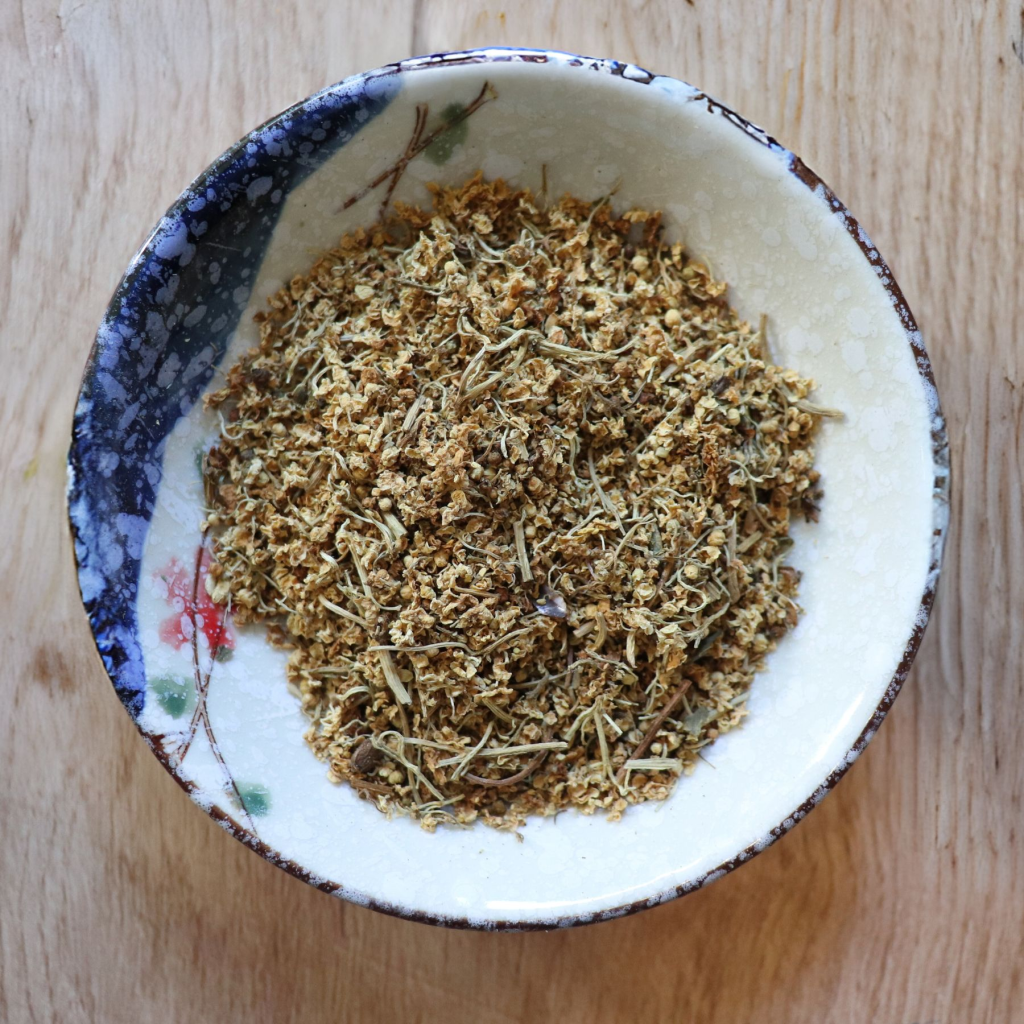
Good elderflower should contain whole blossoms with a clean, floral scent. The colour should be light and bright, never brown or flat. Because elderflower’s aromatics fade quickly, quality makes a significant difference.
Good chamomile should have whole, intact flower heads that smell sweet and fresh. Too much dust or crushed material usually indicates an older batch and can affect the flavour.
Sourcing and freshness matter for both teas, as they determine how effective the brew will taste and feel.
Elderflower and chamomile may look similar at first glance, but their strengths, sensations, and uses differ significantly. Elderflower supports clarity, sinus ease, and fluid balance. Chamomile supports digestion, relaxation, and sleep. Choosing the right one becomes much easier when you match the tea to your goal rather than relying on the generic label of “soothing herbal tea.”
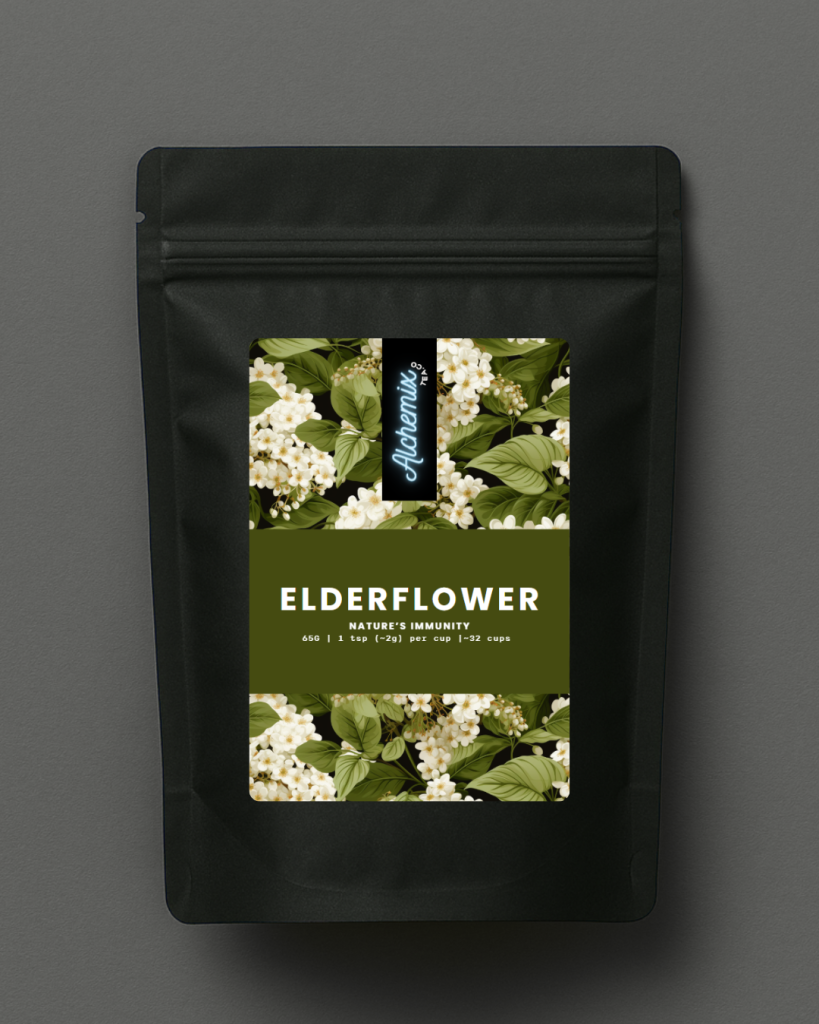
If you’d like a light, floral tea for clearer sinuses and everyday ease, our elderflower is available now.
Related Articles





-

Blend No.03 - Peppermint, Milk Thistle, Nettle
$ 15.99 – $ 42.00 -

Blend No.01 - Calendula, Hibiscus, Yerba Mate
$ 15.99 – $ 42.00 -

Elderflower Tea
$ 15.00 – $ 39.00 -

Matcha Scoop
$ 7.00 -

Everyday Matcha
$ 19.00 – $ 49.00
 We do loose leaves that you can taste and non of that dusty stuff in a bag.