
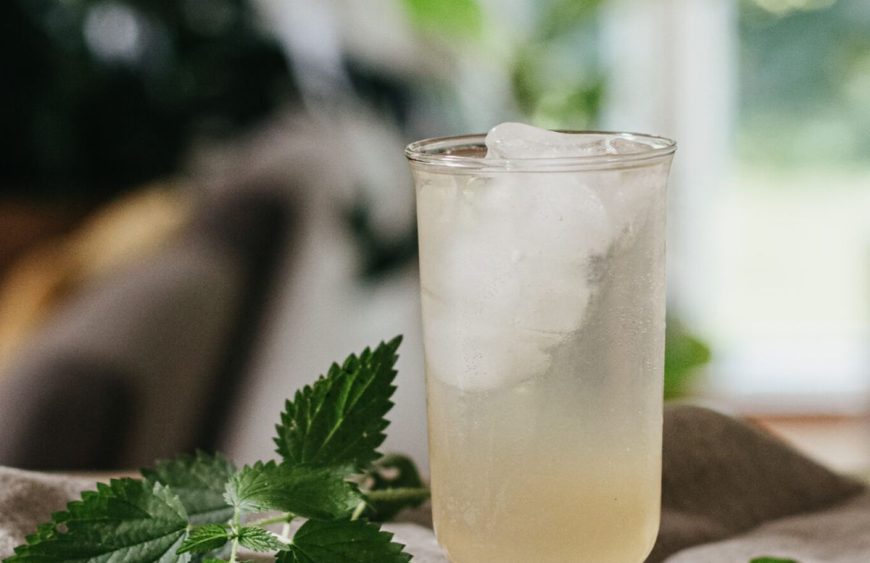
Two herbs show up again and again in wellness circles because they quietly do the work without demanding attention. Elderflower and nettle are two of those plants. They come from totally different traditions and feel different in the body, yet both support calm, clarity, and steady everyday health. If you have ever wondered which one fits your needs or whether they belong in the same routine, this guide brings their strengths into focus.
What Makes Elderflower Unique
Elderflower has a long European history as the plant people reached for when they felt swollen, puffy, or stuffy. It was the quiet helper for cold seasons, heavy evenings, and the kind of inflammation that does not need medication but still makes you uncomfortable. Modern research is now explaining what older communities already knew.
Traditional Uses of Elderflower Tea
Traditionally, elderflower is used to cool fevers, clear the sinuses, soothe skin irritation, and reduce the leftover heaviness from long physical days. It was never treated as a cure. It was the thing you drank because it helped your body settle.
What elderflower tea is used for:
- To cool fevers naturally
- To ease sinus pressure and morning congestion
- To calm irritated or inflamed skin
- To settle the body after long physical days
- To reduce puffiness or fluid heaviness
- To support gentle recovery during cold season
Elderflower contains flavonoids, rutin, and phenolic acids. These compounds support the body’s ability to manage oxidative stress. When oxidative stress stays high, inflammation lingers. When it drops, the body rebounds faster. That is why elderflower is often described as a balancing tea rather than a strong herbal tonic. It works gradually, not forcefully.
How Elderflower Feels in the Body
People who drink elderflower regularly notice smoother breathing, less puffiness, more predictable digestion, and a calmer baseline through the day. It feels light, floral, and steady. Nothing intense, just a sense that things are not flaring as often.
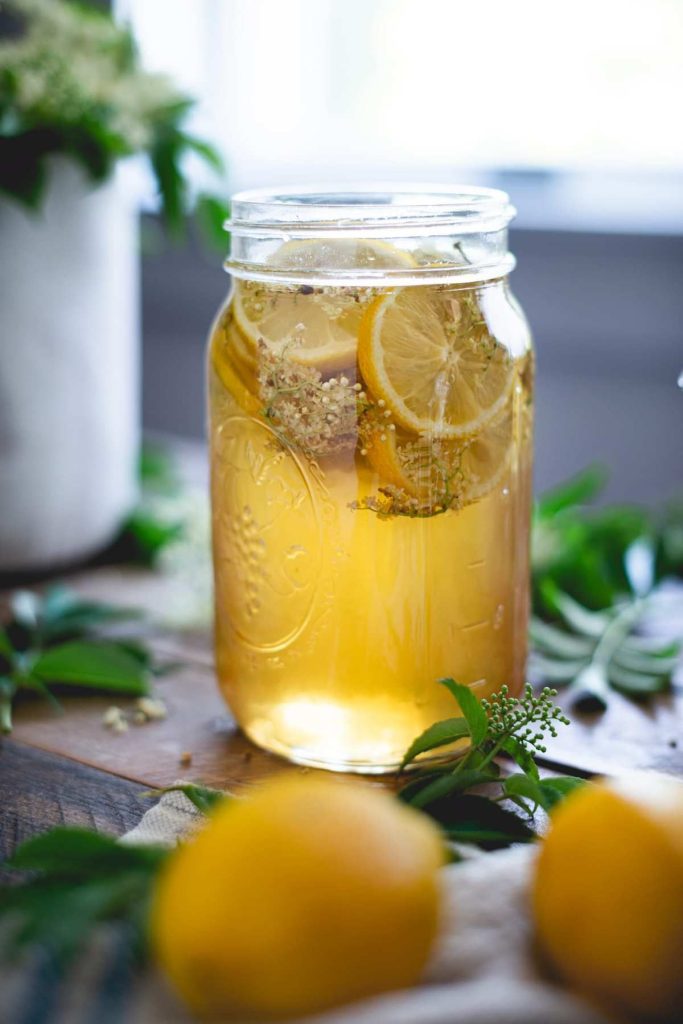
What Makes Nettle Stand Out
Nettle has a very different personality. Where elderflower is cooling and gentle, nettle is nourishing and strengthening. This herb is packed with minerals and has been used as a revitalizing tonic for centuries.
Traditional Uses of Nettle Tea
European herbalists once reached for nettle as the first true “spring tonic.” After months of heavy foods, low sunlight, and slow circulation, nettle was the herb that helped wake the body back up. It was known for clearing the dull, sluggish feeling that settles in during winter and for restoring a sense of lightness in the joints and skin. People drank it to support blood flow, encourage steadier energy, and nourish the body with minerals that regular diets often lacked.
What nettle tea was traditionally used for:
- Refreshing the body after winter
- Supporting clearer, healthier skin
- Strengthening connective tissues
- Improving circulation
- Maintaining steady energy
- Nourishing the body with minerals
Nettle is loaded with silica, iron, zinc, potassium, and vitamins A and C. This is why people often feel subtly energized after drinking it. The herb feeds the body nutrients that many people are low in, especially those dealing with stress, poor sleep, or nutrient depletion.
How Nettle Feels in the Body
Nettle feels grounding and supportive. Many describe clearer skin, stronger nails, more consistent energy, and less puffiness. Rather than calming reactive inflammation, nettle builds resilience through its nutrient profile.
Elderflower vs Nettle: 5 Side-by-Side Benefits
Both herbs support overall wellness, but they do it through different mechanisms. Here is how they compare where it matters most.
1. Inflammation and Recovery
Elderflower helps calm reactive inflammation. This is the type that shows up after stress, salt, long days, or changing weather. Its antioxidants settle the irritability in tissues.
Nettle supports the long game. Its minerals help rebuild skin, connective tissue, and circulation. If you want to feel nourished rather than cooled, nettle hits the mark.
2. Skin Clarity and Radiance
Elderflower reduces redness, supports lymphatic flow, and cools irritated skin. People prone to flushing or heat-based irritation do particularly well with it.
Nettle improves skin from the inside out. Silica helps maintain collagen. Iron supports healthy circulation. Zinc helps keep breakouts under control. Nettle is the herb for structure and glow.
3. Digestion and Bloat
Elderflower relaxes digestive tension. It reduces the heavy, stuck feeling after a fast meal or a salty lunch.
Nettle helps with fluid regulation. If your bloat leans more toward water retention or sluggish circulation, nettle provides a gentler, more mineral-focused reset.
4. Immune and Respiratory Support
Elderflower is a classic cold-season plant. It helps open the sinuses, cool irritated airways, and bring comfort during pollen or cold spells.
Nettle supports overall immune stability. It does not target congestion specifically. Instead, it strengthens the body through nutrients and antioxidants so you feel more resilient in general.
5. Energy and Everyday Stability
Elderflower brings balance. It smooths out the spikes that come from stress or poor sleep.
Nettle supports vitality. It offers minerals your system needs for consistent stamina.
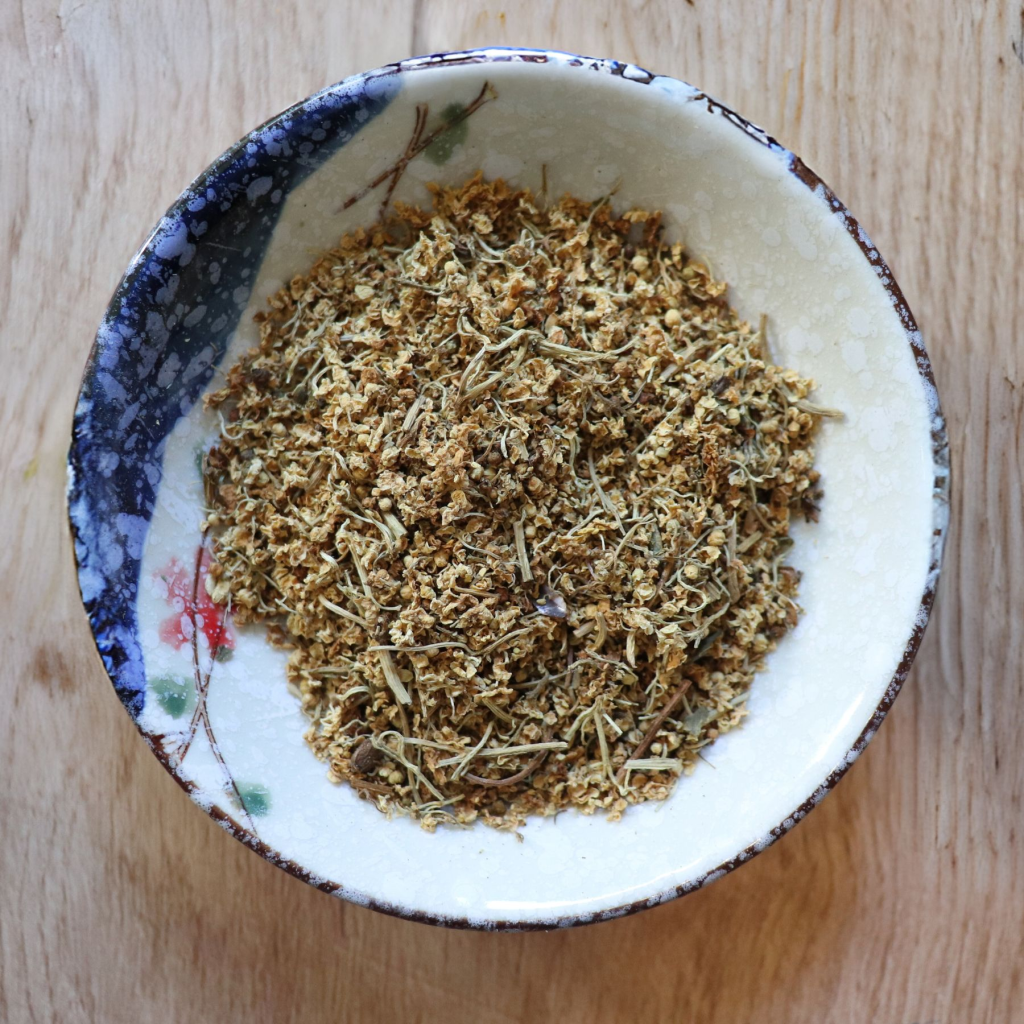
When to Choose Elderflower
Not everyone needs the strengthening effect of nettle right away. Some people need their system to calm down before anything else. Elderflower is ideal if:
- You feel puffy or inflamed often
- Your sinuses react to weather changes
- Your digestion tightens during stress
- Your skin flares when your routine wobbles
- You want a tea that works quietly in the background
Elderflower is a great evening tea because it is calming without being sedative.
When to Choose Nettle
Nettle suits people who feel depleted rather than reactive. Choose nettle if:
- You want more minerals in your daily routine
- You feel fatigued or run down
- Your skin feels dull or sluggish
- You get puffy from water retention
- You want long-term support for hair, skin, and energy
Nettle makes a great morning or afternoon tea since it naturally supports vitality.
Can You Drink Elderflower and Nettle Together
Absolutely. These herbs complement each other beautifully. Elderflower brings the calming, cooling, balancing side. Nettle brings the strengthening, nourishing side. Together, they cover inflammation, circulation, skin clarity, hydration, and recovery.
People who deal with both stress and fatigue often benefit the most from this pairing. Elderflower lowers the internal noise while nettle rebuilds what stress has drained.
How to Brew Elderflower and Nettle for Best Results
Brewing Elderflower
- Use freshly boiled water.
- Use 1 to 2 teaspoons per cup.
- Cover while steeping to keep the aromatic oils in the cup.
- Steep for 5 to 10 minutes.
- Try adding lemon, mint, or honey.
Brewing Nettle
- Use freshly boiled water.
- Use 1 to 2 teaspoons per cup.
- Steep for at least 7 minutes to pull out the minerals.
- Longer steeps create a richer, greener taste.
- Try combining it with lemon peel or rose for a softer profile.
Optional Add-Ins
Both herbs mix well with:
- lemon slices
- honey
- peppermint
- rose petals
If you like floral, choose elderflower blends. If you prefer earthy and green, choose nettle blends.
Finding the Herb That Matches Your Body
Your body gives you clues about what it needs. Some days it wants calm. Other days it wants strength. Elderflower and nettle are two plants that can meet those needs without overwhelming your system. Elderflower helps you settle when you feel reactive. Nettle helps you rebuild when you feel stretched thin.
You do not need to choose one for life. You can switch between them based on what you notice in your skin, your energy, and your digestion. You can also drink them together if you want gentleness and nourishment in the same ritual.
If today feels like a “settle the system” kind of day, elderflower is the one to reach for. Keep a pouch on hand and let your body decide when it needs that calm, light-on-the-stomach support. Try our elderflower tea and give your system an easier baseline to return to.
Related Articles





-
Blend No.03 - Peppermint, Milk Thistle, Nettle
$ 15.99 – $ 42.00 -
Reusable Tea Bags (Set of 5)
$ 15.00 -
Blend No.01 - Calendula, Hibiscus, Yerba Mate
$ 15.99 – $ 42.00 -
Everyday Matcha
$ 19.00 – $ 49.00 -
Eco Brew Bags
$ 5.99 – $ 17.99
 We do loose leaves that you can taste and non of that dusty stuff in a bag.