
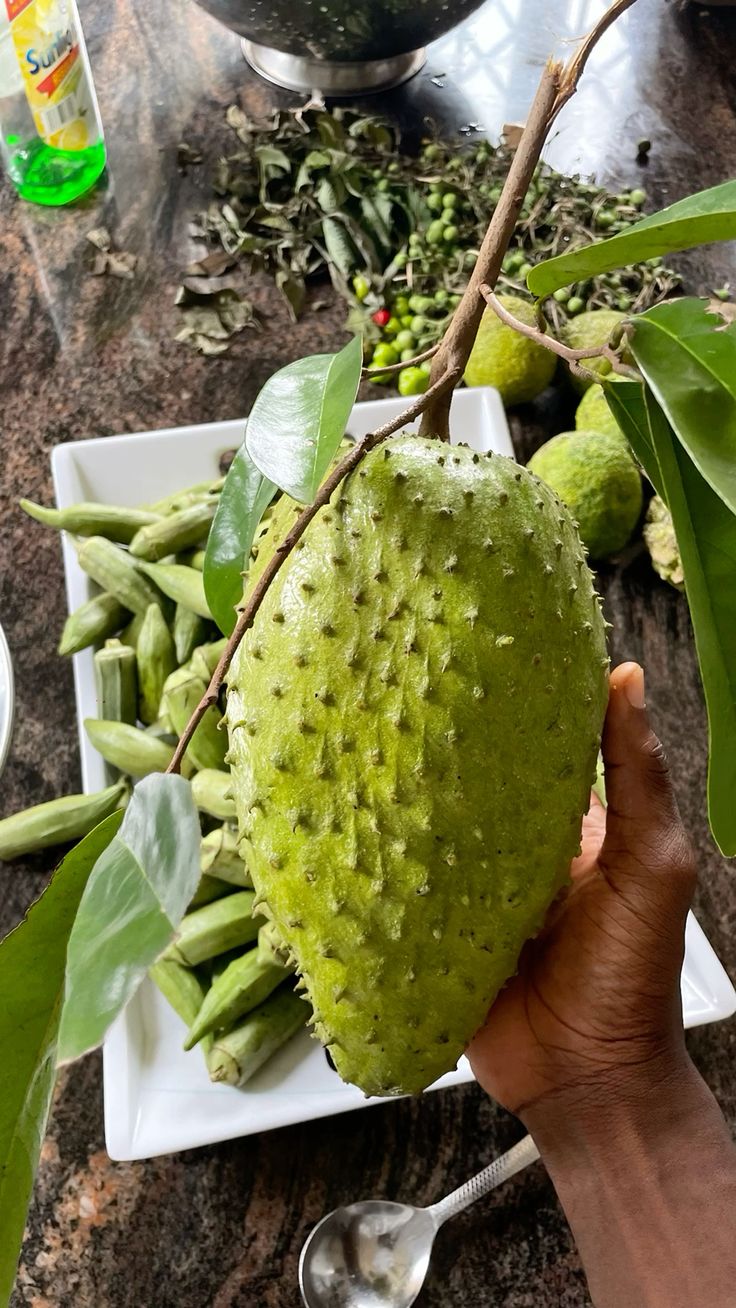
The spiky, custard-like fruit of the Annona muricata (Soursop) often steals the spotlight in tropical markets, but for centuries, the true power of this evergreen has been found in its foliage. From the Caribbean basin to the dense jungles of Southeast Asia, soursop leaves—variously called Guanabana, Sirsak, or Graviola—have served as a cornerstone of ethnobotanical medicine.
It is important to understand that while this article explores the fascinating ways soursop leaves are used throughout history and around the world, this information is for educational and cultural insight only. It is not intended as medical advice or a substitute for professional healthcare. As we look at these traditional practices, we see a global community using nature to find balance, but these methods should always be discussed with a qualified physician before being integrated into a modern health regimen.
What are Soursop Leaves? The Science of Annona muricata
Soursop is a broadleaf tree native to the tropical regions of the Americas. While many see it as a simple garden tree, biochemically, the leaves are a complex “bio-factory.” They contain over 200 chemical compounds, the most significant being Annonaceous acetogenins (AGEs).
Beyond these unique fatty acid derivatives, the leaves are rich in:
- Alkaloids: Specifically reticuline, which has been studied for its calming effects on the nervous system.
- Antioxidants: High concentrations of flavonoids and vitamin C that combat oxidative stress.
Historically, these leaves were the primary pharmacy for millions. However, because these compounds are pharmacologically active, modern users must remember that “natural” does not automatically mean “harmless” for everyone, particularly those on existing medications.
Graviola Benefits: Traditional Medicine in the Amazon and South America
In the Amazon rainforest, the soursop tree is most commonly known as Graviola. Indigenous tribes have a deep-rooted relationship with the plant, viewing the leaves as a vital tool for internal cleansing.
The Peruvian Andes and Parasitic Control
In the mountainous regions of Peru, Graviola leaves have a long history as a traditional remedy for intestinal distress. Tribes would brew a bitter decoction of the dried leaves to treat parasites and catarrh (inflammation of the mucus membranes).
Brazilian Folk Medicine for the Liver
In Brazil, the focus shifts toward the liver and joints. Traditional healers often used leaf oil mixed with juice from the fruit to soothe neuralgia and rheumatism. For liver support, a tea made from the dried leaves was consumed—a practice that reflects the region’s belief in the leaf’s “cooling” properties. While these cultural practices are centuries old, they are often used today as complementary approaches rather than primary treatments for diagnosed medical conditions.
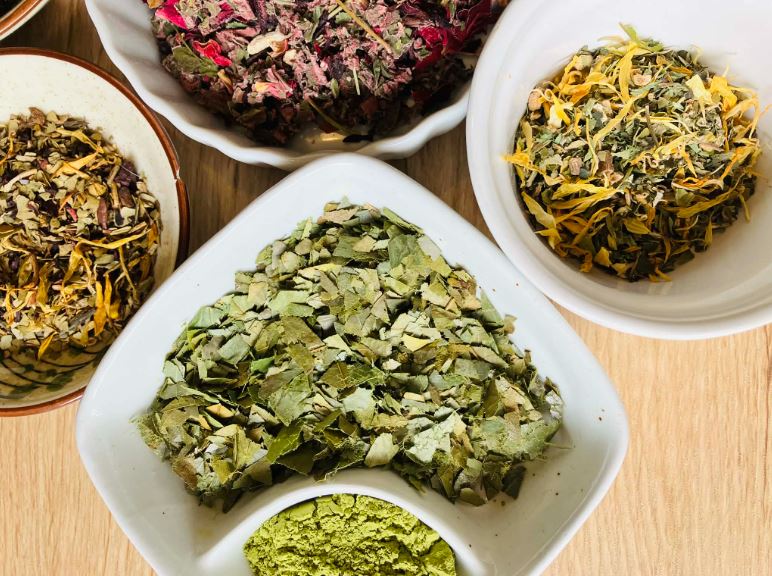
Caribbean Bush Medicine: Using Soursop Leaves for Sleep and Blood Pressure
In the Caribbean, the use of “bush tea” is a cultural cornerstone. Visit Jamaica or Trinidad, and you’ll find that soursop leaves are the “holy grail” of relaxation.
The Ultimate Cultural Sedative
The most widespread use of soursop leaves in the West Indies is as a nervine. It is a common household remedy for:
- Insomnia: Elders often brew a light tea for those struggling with sleep.
- Anxiety: The leaves are believed to help the body “settle” after a stressful event.
Managing “High Blood”
Hypertension (locally called “high blood”) is a major focus of Caribbean folk medicine. Oral traditions suggest that drinking soursop leaf tea helps manage blood pressure. However, users should be cautious; because the leaf may naturally lower blood pressure, it could potentially interfere with prescribed hypertension medications, making it vital to consult a doctor first.
Soursop Leaves in Asia: Guyabano and Sirsak as Natural Remedies
As trade routes expanded, soursop traveled to Southeast Asia, where it was integrated into the ancient healing systems of Indonesia and the Philippines.
Indonesia: The War on Uric Acid
In Indonesia, where the tree is called Sirsak, the leaves are famously used to address gout. Local tradition dictates boiling exactly 10 mature leaves in water until the liquid is highly concentrated. This is believed to help the body flush excess uric acid.
The Philippines: Guyabano for Fever and Skin
In the Philippines, the Guyabano leaf is a staple for managing body temperature.
- Topical Use: To treat skin eruptions, the leaves are wilted over a fire and applied as a poultice.
- Fever Management: Fresh leaves are often placed on the forehead to relieve headaches, a practice deeply embedded in local rural healthcare.
How to Make Soursop Leaf Tea: A Traditional Recipe and Brewing Guide
To understand how the world uses this leaf, one must look at the decoction method. This is the most common way to extract the phytochemicals from the fibrous leaves.
- Selection: 10 to 15 mature, dark-green leaves are typically used.
- Cleaning: Leaves are rinsed thoroughly in filtered water.
- The Boil: The leaves are added to 1 liter of water and brought to a boil.
- Reduction: The heat is lowered, and the liquid simmers until it reduces by half, turning a deep amber color.
While this recipe is a cultural staple, the frequency of its use varies. Many traditional healers recommend “cycling” the tea—drinking it for a few weeks and then taking a break—to avoid potential long-term side effects like neurotoxicity, which has been studied in cases of extreme, chronic overconsumption.
ummary of Global Ethnobotanical Uses
| Region | Local Name | Historical Primary Use | Common Preparation |
| Caribbean | Soursop | Insomnia / Hypertension | Tea / Infusion |
| Amazon Basin | Graviola | Parasites / Liver Health | Leaf Juice / Tincture |
| Southeast Asia | Sirsak / Guyabano | Gout / Fever / Skin | Decoction / Poultice |
| Mexico | Guanabana | Rheumatism / Inflammation | Crushed Leaf Paste |
Side Effects and Safety: Who Should Avoid Soursop Leaf Tea?
Despite its natural origin, soursop is pharmacologically potent. History and modern science suggest several precautions:
- Pregnancy: The leaves may stimulate uterine contractions and are generally avoided by pregnant women.
- Movement Disorders: Excessive, chronic use has been linked to symptoms similar to Parkinson’s disease due to the compound annonacin.
- Drug Interactions: Because it can lower blood sugar and blood pressure, it may interact with medications for diabetes and hypertension.
The Future of Soursop in Modern Wellness
The history of the soursop leaf is a testament to the human ability to find “pharmacies” in the backyard. From the rainforests of Brazil to the kitchen cupboards of the modern world, these leaves continue to provide comfort and perceived healing.
If you’re looking for quality soursop leaves to brew your soursop tea, you can grab a bag from us here.
Related Articles





-
Blend No.01 - Calendula, Hibiscus, Yerba Mate
$ 15.99 – $ 42.00 -
Butterfly Pea Tea
$ 15.99 – $ 45.00 -

Blend No.03 - Peppermint, Milk Thistle, Nettle
$ 15.99 – $ 42.00 -

Matcha Bowl
$ 35.00 -
Reusable Tea Bags (Set of 5)
$ 15.00
 We do loose leaves that you can taste and non of that dusty stuff in a bag.