
The “First Frost” Survival Guide: Why Elderflower Tea is the NZ Autumn Essential You’re Missing
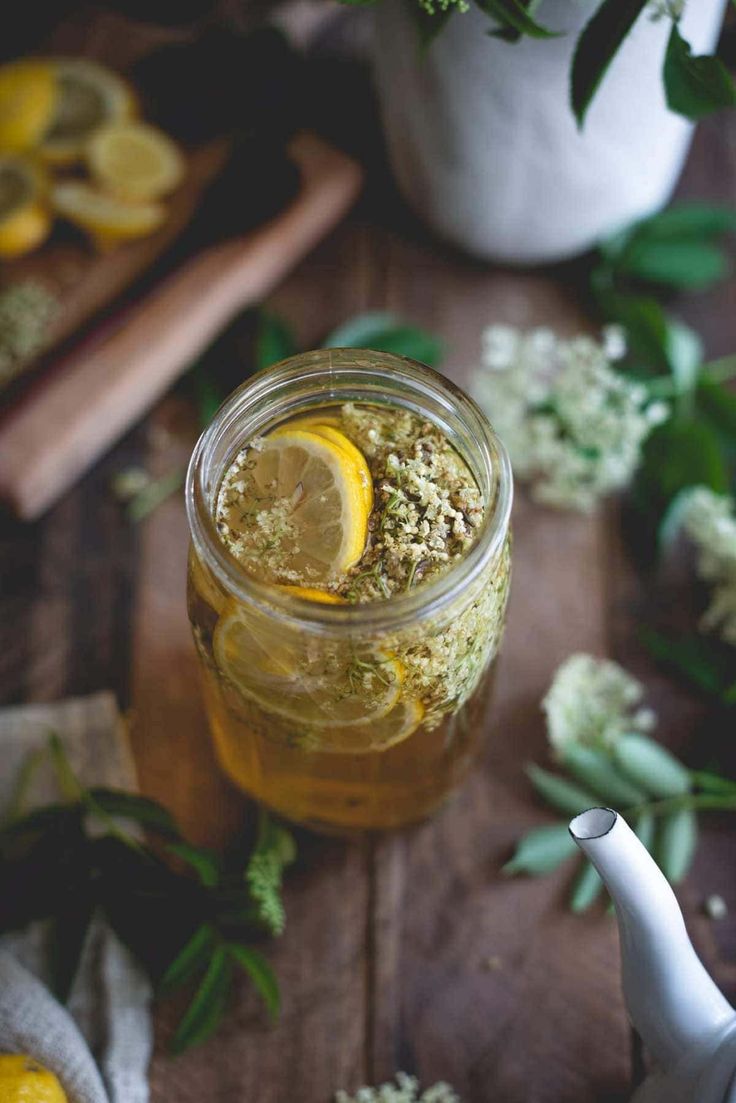
There is a very specific moment in a New Zealand autumn, usually right around late March or early April, where the “she’ll be right” attitude toward the weather officially expires.
One day you’re enjoying a crisp afternoon in the garden; the next, you’re digging through the hallway cupboard for the merino layers and realizing the dehumidifier needs a permanent home in the lounge. As that familiar chill starts creeping through the floorboards, our bodies signal a shift. We move from the “doing” of summer to the “protecting” of winter.
While the rest of the world is obsessed with Pumpkin Spice, those of us in the know are reaching for something a bit more… alchemical. Enter: Elderflower Tea.
The “Medicine Chest” in a Teacup
Historically, the Elder tree was known as the “Countryman’s Apothecary.” Long before we had a pharmacy on every corner in NZ, rural communities relied on the Elder tree for nearly every seasonal ailment. It was considered so vital to the home that it was often planted right by the back door, a living, breathing first-aid kit. At Alchemix, we’ve taken that ancient wisdom and dried it down into the ultimate seasonal transition tool.
If you’ve ever felt that localized “tickle” in the back of your throat the moment the temperature drops below 10°C, you’ll understand why Elderflower and its benefits has been a staple of herbal folklore for centuries. It’s that specific New Zealand autumn dampness—the kind that gets into your bones before you’ve even had a chance to find your favorite puffer jacket.
Why it’s the MVP of your Autumn Pantry:
- The “De-Gunk” Factor: Elderflower is a natural anti-catarrhal. In plain English? It’s a master at thinning out the stubborn mucus that arrives with the “back-to-school” sniffles. It helps clear the passages, making it easier to breathe when the morning air feels like it’s been sharpened on a whetstone.
- The Internal Thermostat: In traditional herbalism, Elderflower is used as a diaphoretic. It gently encourages the body to regulate its temperature. This is a lifesaver during those bipolar Kiwi autumn days where you’re freezing in the shade at 10 a.m. but roasting in the direct sun by noon. It helps your body “vent” without the drama.
- The “Anti-Inflammatory” Hug: Beyond the respiratory stuff, Elderflower contains high levels of quercetin and rutin—flavonoids that act like a soothing balm for the oxidative stress our bodies feel when we’re suddenly deprived of Vitamin D and forced to endure the 5:30 p.m. sunset.
- Caffeine-Free Calm: As the days get shorter, our circadian rhythms can get a bit wonky. Swapping your 3 p.m. coffee for an Alchemix Elderflower brew gives you that “pick-me-up” flavor without the “keep-me-up” jitters. It’s the ritual of a hot cup, without the cortisol spike. Yes. Elderflower tea is caffeine-free.
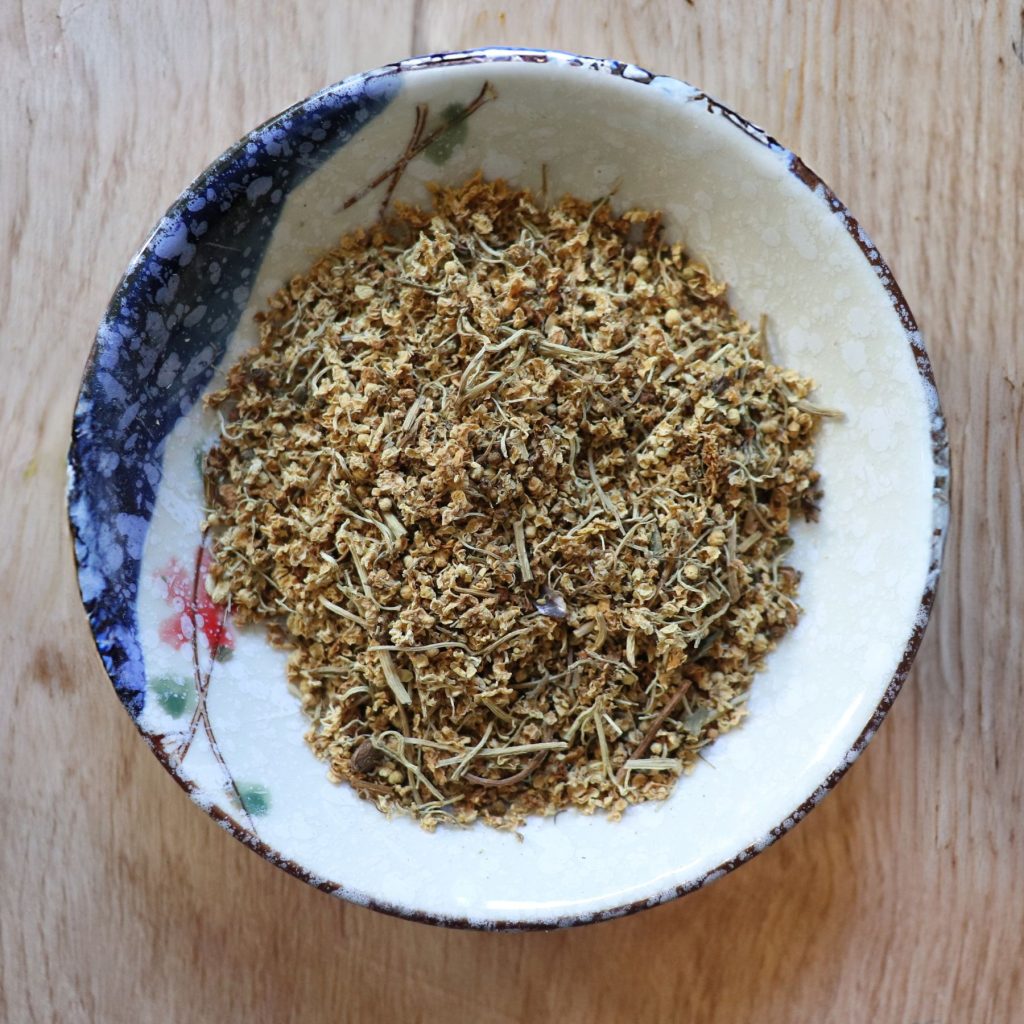
The Alchemix Elderflower Flavour Profile: Not Your Nana’s Herbal Tea
Forget those dusty, grey tea bags that taste like boiled hay. A true Elderflower infusion should be a sensory experience.
When you brew a cup of elderflower tea, you’re looking for those creamy, honey-like top notes with a slightly herbaceous finish. It’s light, sophisticated, and surprisingly “thick” on the palate—giving you that comforting mouthfeel you usually only get from a heavy builders’ tea, but without the tannin smack.
The Autumn Ritual: > When the frost is thick on the ground, try this: Brew your Alchemix Elderflower Tea for a full 5 minutes. Add a slice of fresh ginger and a teaspoon of local Manuka honey. It’s like a warm hug for your immune system.
Elderflower Tea FAQs
Is Elderflower tea actually good for a cold? While we’ll leave the prescriptions to the professionals, the history books don’t lie. Elderflower has been the “go-to” for seasonal sniffles for centuries because of its natural anti-catarrhal properties. It’s essentially nature’s way of helping you clear the “gunk” from your respiratory system. Think of it as a gentle, herbal steam-clean for your sinuses—perfect for when the New Zealand damp starts to settle in.
Can I drink Elderflower tea every day, or is it a “sometimes” thing? It’s a “whenever you want” thing. Unlike its cousin the Elderberry (which can be a bit potent), Elderflower is gentle, caffeine-free, and kind to your stomach. In fact, making it a daily ritual during the transition into autumn is the best way to keep your system hydrated and resilient before the winter bugs truly arrive. It’s the ultimate “guilt-free” nightcap.
What does it actually taste like? (Be honest.) Forget the “boiled grass” vibe of most herbal teas. Elderflower is the sophisticated cousin of the tea world. Imagine a drop of wild honey stirred into a bouquet of white petals with a tiny, sharp twist of lemon zest. It’s naturally sweet without the sugar crash and floral without tasting like you’re drinking your Nana’s potpourri. It’s light, crisp, and surprisingly buttery on the finish.
Embrace the Chill
Autumn in New Zealand is a beautiful, brutal transition. It’s that deceptive time of year when the sun looks warm through the window, but the air outside has developed a sharp, biting edge. One day you’re at the beach; the next, you’re eyeing the firewood pile and wondering if it’s too early to turn on the electric blanket.
Don’t let that first “real” frost catch your immune system, or your mood, off guard. When the damp sets into the floorboards and the 5:00 p.m. darkness starts to feel a little too permanent, it’s time to call in the reinforcements.
Stock the pantry, stack the kindling, and let the steam from a hot mug of Alchemix Elderflower Tea do the heavy lifting. Because while the seasons might be changing, your wellness doesn’t have to. Grab your Elderflower Tea today and make sure your pantry is well stocked.
Related Articles





-
Matcha Whisk (Chasen)
$ 25.00 -
Blend No.02 - Rose, Raspberry Leaf, Acai, Goji
$ 15.99 – $ 42.00 -
Chasen Stand
$ 17.00 -
Fine Mesh Matcha Sieve
$ 12.00 -
Peppermint Tea
$ 17.50 – $ 52.00
 We do loose leaves that you can taste and non of that dusty stuff in a bag.