

Pollen season arrives quietly at first. One day the air feels normal, and the next your sinuses swell, your eyes sting, and your breathing turns slightly slower than it should be. Hayfever is not dramatic, but it is relentless. It follows you through the day and makes everything feel heavier than it needs to be.
Because of that, more people look for natural support that does not cause drowsiness or fog. Elderflower often comes up during those searches. Across Europe, families brewed it every spring because it helped them get through allergy season with a little more ease.
So the question is simple and worth answering clearly: can elderflower tea actually help with hayfever symptoms?
The short answer is that elderflower will not replace medication for severe allergies. However, it can soften several of the symptoms that make hayfever uncomfortable, especially congestion, sinus pressure, throat irritation, and that familiar “heavy head” feeling.
Here is what both tradition and modern research show.
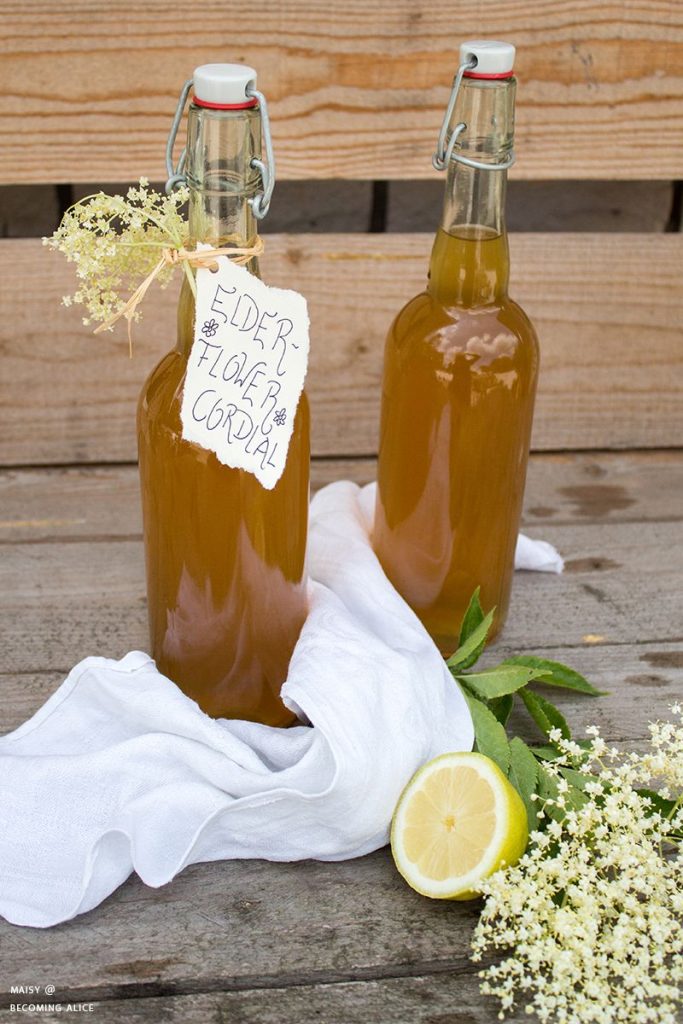
What Elderflower Tea Is
Elderflower tea is made from the blossoms of the Sambucus nigra plant. These small, cream-coloured flowers bloom for only a short window in late spring. When dried correctly, they keep their gentle floral aroma and carry the natural plant compounds that make the tea useful for seasonal discomfort.
For hundreds of years, people brewed elderflower for sinus pressure, fluid retention, and mild respiratory irritation. It was never treated as a miracle. It was simply the plant you reached for when the season made breathing feel sluggish.
The reason it still holds a place in herbal practice comes from its natural chemistry. Elderflower contains flavonoids, phenolic acids, rutin, and quercetin. These compounds help the body manage inflammation and oxidative stress, which are both involved in hayfever symptoms.
Why Hayfever Feels So Draining
Hayfever begins when the body reacts to pollen as if it were a threat. Your immune system releases histamine, and that triggers swelling in your nasal passages, extra mucus, scratchy eyes, and sometimes a stiff, tired feeling around the forehead and cheeks.
Inflammation makes all of this worse. When inflammation runs high, your body becomes more reactive to smaller amounts of pollen. Even a light day can feel heavy.
This is where elderflower’s calming effect becomes relevant.
How Elderflower Supports the Body During Hayfever Season
Elderflower does not behave like a fast-acting antihistamine. Instead, it influences the underlying patterns that make symptoms flare. Its strength comes from steady use rather than a single cup.
Here is how it helps.
1. It calms sinus inflammation
Flavonoids and phenolic acids help lower oxidative stress. When this stress is reduced, sinus tissues are less likely to swell. Many people who drink elderflower during pollen season notice a lighter feeling behind the nose and eyes.
2. It supports clearer airflow
Elderflower has a long history of use for congestion. The tea helps ease the tight, stuffed sensation in the upper airways, especially in the morning when symptoms tend to be strongest.
3. It contains quercetin, which influences histamine activity
Quercetin has been studied for its ability to regulate the release of histamine. Elderflower is not a substitute for medication, but the presence of quercetin may help soften the intensity of the body’s reaction to pollen.
4. It helps with throat irritation
Warm elderflower tea soothes irritated tissue, which makes it helpful when post-nasal drip becomes persistent.
5. It supports faster recovery after exposure
When the body’s inflammatory baseline is lower, it rebounds more quickly after time outdoors. Instead of lingering pressure and fog, the system settles sooner.
What You May Notice When Drinking Elderflower Daily
People describe a set of recurring patterns when they drink elderflower during hayfever season.
- Mornings feel less congested
- Sinus pressure becomes less disruptive
- Breathing feels steadier throughout the day
- Symptoms recover faster after high-pollen exposure
- Less random tightening in the sinuses during windy weather
These changes are subtle but meaningful. Elderflower helps reduce the overall reactivity of the body, which makes symptoms feel more manageable.
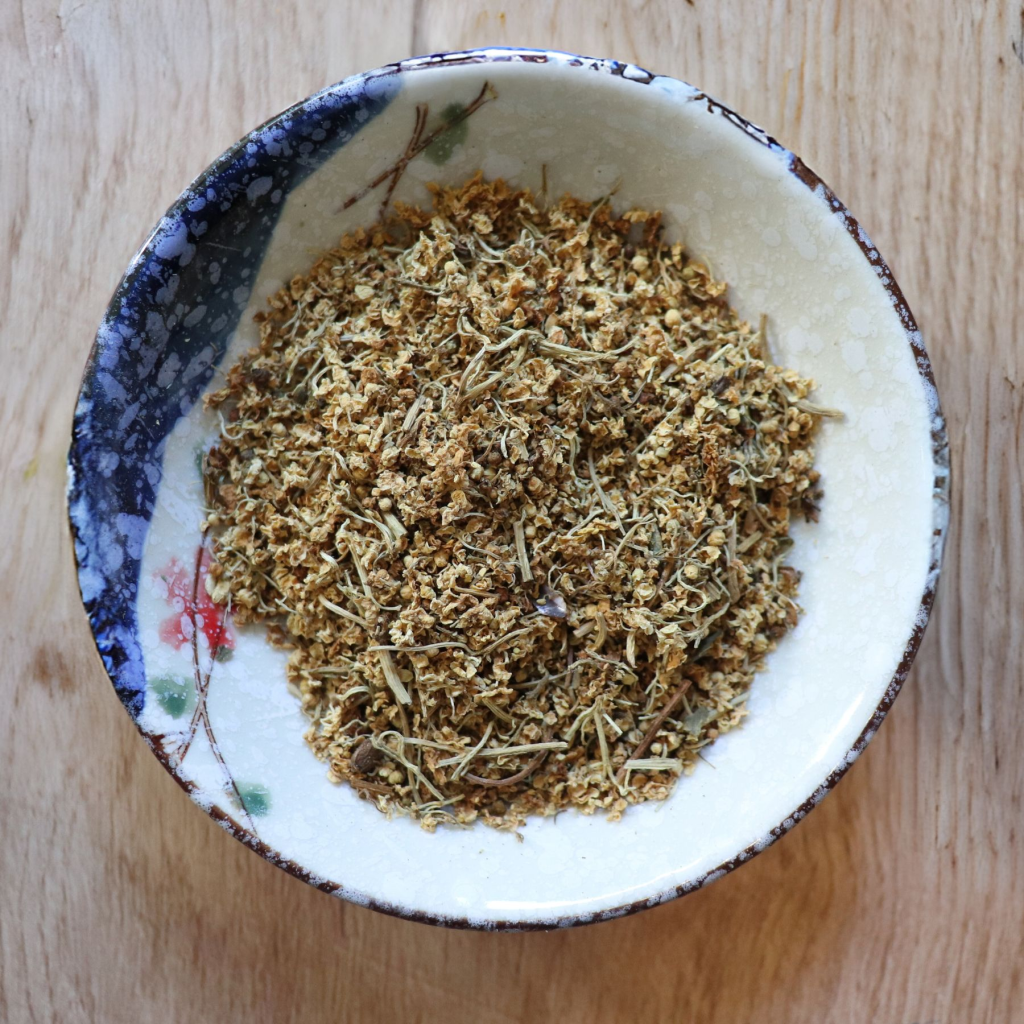
How to Drink Elderflower Tea for Best Results
Elderflower tea is very easy to prepare. Consistency matters more than perfect technique.
To brew it:
- Use one to two teaspoons of dried elderflower for each cup of hot water.
- Let it steep for five to ten minutes with the cup covered.
- Strain and drink while warm.
Covering the tea helps keep the delicate aromatic oils inside the cup.
When to drink it:
- In the morning for sinus relief
- In the afternoon if you have been outdoors
- In the evening to ease inflammation before bed
- Daily for steady support
Good additions:
- A squeeze of lemon for vitamin C
- A spoonful of honey to soothe a scratchy throat
- Peppermint for extra respiratory comfort
How Elderflower Relates to Other Natural Allergy Supports
People often compare elderflower to herbs like nettle or chamomile. Each one has a place, but they do not work the same way.
- Nettle is stronger and more direct but can feel too stimulating for some.
- Chamomile is soothing but not as targeted toward congestion.
Elderflower sits comfortably in the middle. It is gentle enough to drink every day and effective enough to noticeably reduce sinus heaviness and reactivity. It supports the areas where most hayfever discomfort shows up.
Who Gets the Most Benefit from Elderflower Tea
Elderflower tea tends to help people who experience:
- mild to moderate hayfever
- regular congestion rather than extreme blockage
- sinus pressure that builds through the day
- throat irritation caused by seasonal drip
- fatigue or heaviness linked to pollen exposure
It is also a good option for those who want support without feeling foggy or sedated.
Safety and Realistic Expectations
Elderflower tea is generally gentle, provided it comes from properly dried blossoms. The raw leaves and unripe berries of the plant are not used for tea, and this is important to note.
If you are pregnant, breastfeeding, or taking medication, it is always best to speak with a professional before making daily herbal changes.
Elderflower is not meant to stop severe allergic reactions. Instead, it works quietly in the background, helping your body stay calmer during the parts of the year that challenge it most.
A Simple Way to Make Hayfever Days Easier
Hayfever may not be dramatic, but it wears on your energy. Elderflower tea provides a steady, natural way to reduce congestion, ease sinus pressure, and help your body respond with less intensity.
With daily use, many people notice smoother breathing, fewer rough mornings, and a more predictable rhythm during pollen season.
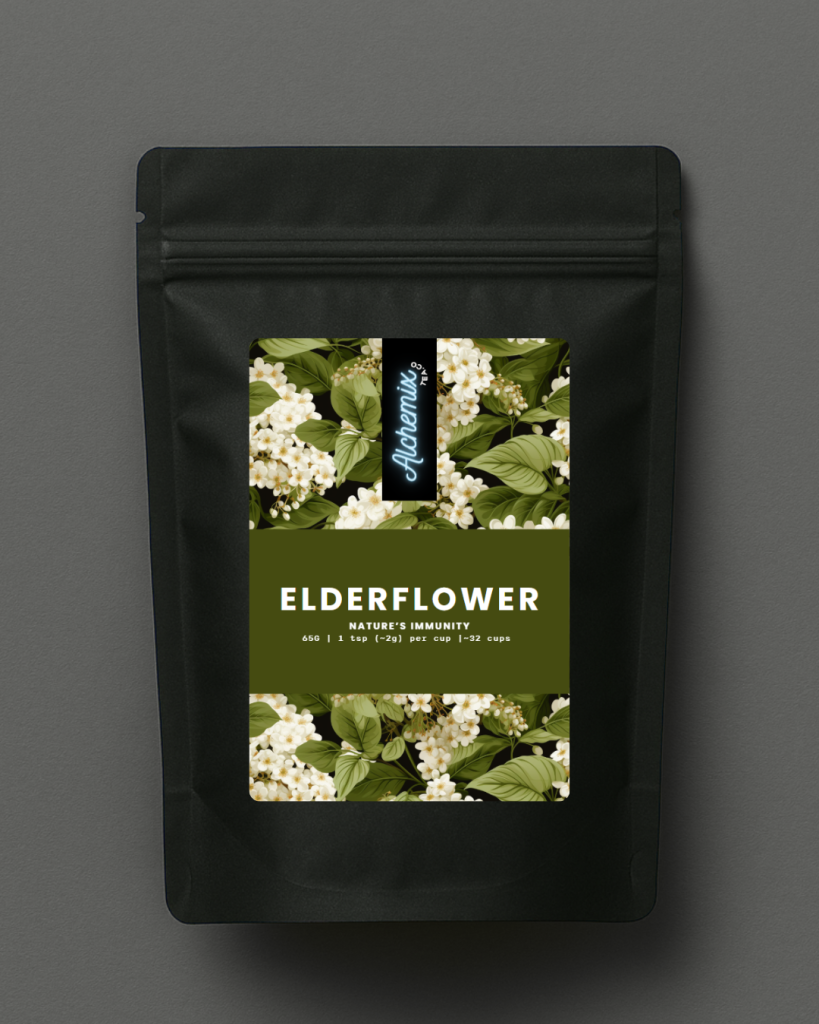
If you want a clean, well-dried elderflower tea to make this part of your daily routine, the blend available at Alchemix Tea offers the floral clarity and gentle support elderflower is known for. One or two cups is enough to help your body stay balanced through the weeks when pollen fills the air.
If you want to make elderflower part of your daily routine, you can find our dried blossoms here.
Related Articles





-
Matcha Whisk (Chasen)
$ 25.00 -
Reusable Tea Bags (Set of 5)
$ 15.00 -
Blend No.02 - Rose, Raspberry Leaf, Acai, Goji
$ 15.99 – $ 42.00 -

French Earl Grey
$ 19.00 – $ 49.00
 We do loose leaves that you can taste and non of that dusty stuff in a bag.