
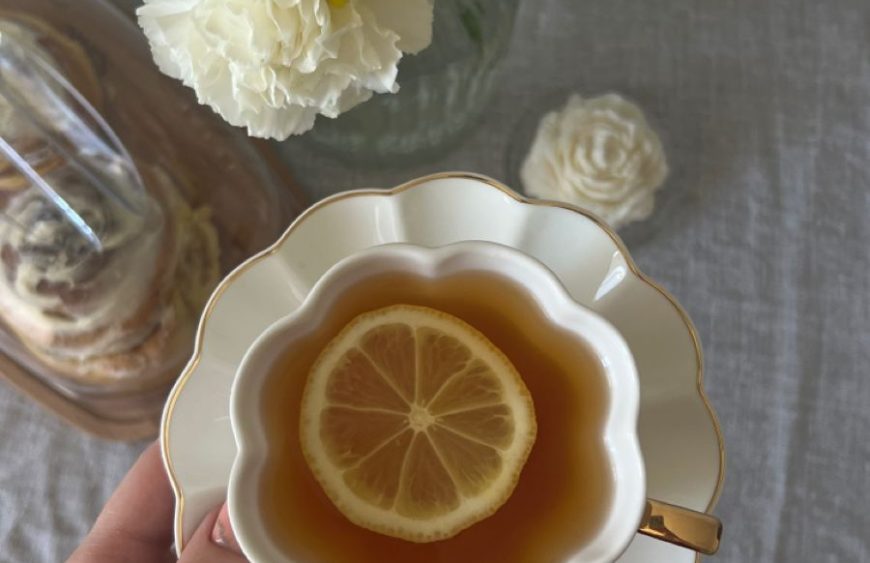
When a cold hits, most people reach for quick fixes. Something to clear the heaviness, settle the irritation, and help them get through the day. Elderflower tea lands in that sweet spot where tradition and modern wellness overlap. Older European households used it whenever breathing felt tight or the sinuses turned puffy. Today, the herb is getting attention again because people want something gentle that still feels like it does something.
Elderflower tea is light, floral, easy to drink, and surprisingly useful when cold season shows up. It will not knock out a virus, but it supports the pathways that make recovery smoother and breathing easier. That alone makes it worth keeping on hand if you deal with recurring congestion or sinus pressure that lingers longer than it should.
Why Elderflower Works During Colds and Sinus Flare Ups
Elderflower is loaded with flavonoids and phenolic compounds that directly support the areas most affected during a cold. These compounds help reduce oxidative stress, which is the internal irritation that keeps tissues swollen, slow, and reactive.
When oxidative stress goes up, inflammation hangs around longer than necessary. That is one of the main reasons cold symptoms feel heavy even when the worst of the virus has passed. Elderflower helps bring that stress back down so your system can move through the recovery stage with fewer detours.
It also has a mild fluid balancing effect that people notice around the eyes, nose, and cheeks. If you tend to wake up puffy or tight during cold season, this is usually where elderflower starts showing its value.
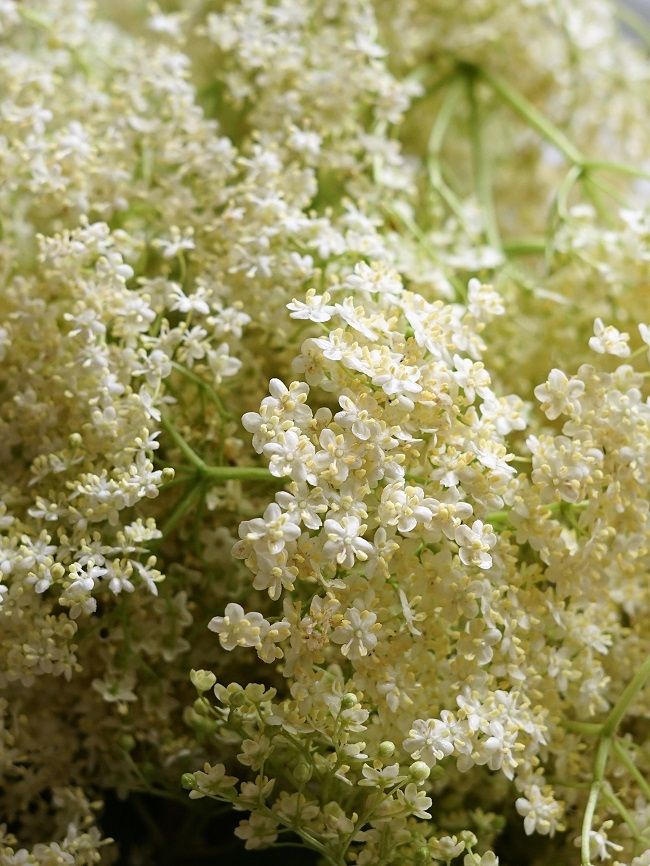
How Elderflower Helps With Sinus Pressure
Sinus pressure happens when the tissues along your nasal passages get inflamed and swollen. Air cannot move as freely, drainage slows, and a dull pressure builds behind the face. Elderflower supports this in a few ways.
First, the quercetin and rutin inside the flower help calm nasal tissue irritation. These compounds influence cytokines, the signals that decide how intensely your body reacts to irritation. When those signals chill out, swelling starts to ease. That creates more space for airflow, which is what most people notice first after a cup of elderflower tea.
Second, elderflower’s antioxidants help clear out reactive oxygen species that keep inflammation stuck. That means the sinuses do not stay tight for hours after a trigger like cold air, pollen, or a night of poor sleep.
Third, it supports fluid balance. A lot of sinus pressure feels worse because of trapped fluids around the face. Elderflower’s gentle diuretic quality helps the body manage that without being harsh.
This makes elderflower especially helpful for:
• morning sinus heaviness
• recurring low-grade congestion
• seasonal stuffiness
• mild cold symptoms
• pressure that is annoying but not severe enough for medication
It is not meant for serious infections or high fever days. It shines in the everyday congestion that makes you feel slow and foggy.
Elderflower Tea for Colds: What It Actually Helps With
Cold symptoms tend to come with a predictable set of annoyances. Congestion. Puffy sinuses. A scratchy throat. That low energy that makes everything feel like it takes twice the effort.
Elderflower tea supports several of these at once.
The warm temperature of the drink helps loosen mucus and relax the throat. The herb’s compounds help reduce nasal swelling. There is also mild antiviral activity shown in elderflower extracts, which explains why traditional “sweat teas” used elderflower in blends during feverish colds.
People often mix elderflower with lemon and honey during cold season. Lemon adds vitamin C that works well with flavonoids. Honey calms the throat and adds a smooth sweetness that matches elderflower’s light floral profile.
Does it cure colds? No. Does it help your body handle them better? Most people say yes.
What People Notice When They Drink Elderflower Tea Daily in Cold Season
Patterns tend to repeat when elderflower becomes a daily habit. Not dramatic transformations. Just small, noticeable shifts that make cold season less disruptive.
People often report:
• breathing feels easier in the morning
• sinus pressure clears faster
• less facial puffiness around the eyes
• a shorter gap between feeling sick and feeling normal
• more predictable energy
• less irritation during pollen-heavy weeks
• fewer lingering symptoms after a cold fades
These are the practical, real-world effects that make elderflower a go-to in older European households and a rediscovered staple today.
Elderflower vs Other Herbal Teas for Congestion
There are plenty of teas people reach for when they feel congested. Peppermint for sharp clearing. Ginger for heat. Chamomile for calm. Elderflower sits in a different category.
It is gentle. It is low acid. It does not overwhelm the senses or irritate sensitive sinuses. Instead of blasting symptoms, it supports the inflammation and fluid pathways behind them. This makes it great for people who get reactive to strong herbs or want something they can sip all day without feeling overstimulated.
If peppermint is the fast-acting option, elderflower is the all-day, steady support that keeps symptoms from escalating.
How to Brew Elderflower Tea for Sinus and Cold Relief
Brewing elderflower is simple, but a few small steps help you get more out of it.
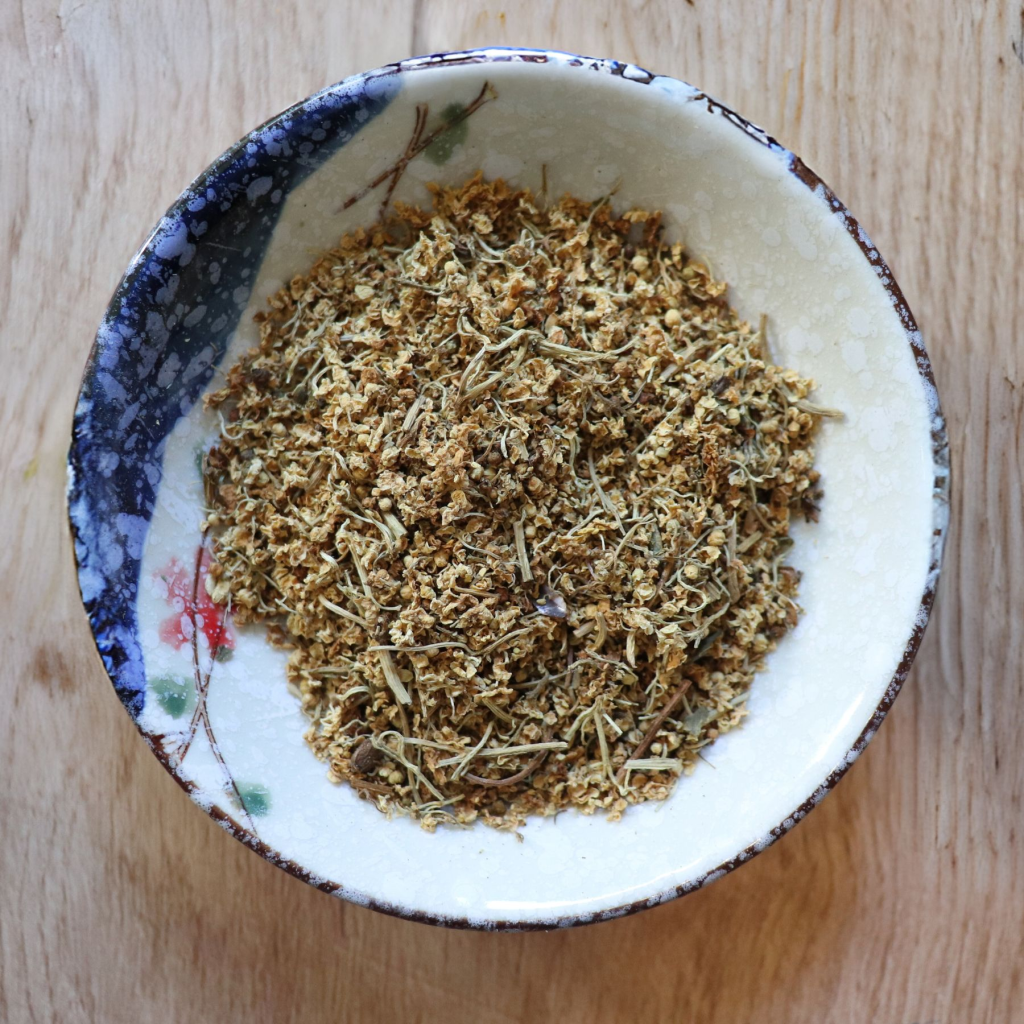
- Use 1 to 2 teaspoons of dried elderflowers per cup of water.
- Bring the water to a boil, then let it cool for a few seconds.
- Pour over the flowers and cover your mug.
- Steep for 5 to 10 minutes depending on how strong you like it.
- Strain and sip while warm.
Covering the cup matters because it traps the volatile compounds that support respiratory comfort. Leaving the tea open lets some of those compounds escape with the steam.
If you want more cold-season support, try adding:
• lemon for brightness and vitamin C
• honey for throat comfort
• peppermint for a cooling lift
• ginger for warmth on cold days
Drinking it consistently for a few days is where the real impact shows.
When Elderflower Tea Works Best
Timing makes a difference. Elderflower performs best when used at the first signs of a cold or on days when your sinuses feel tight. Using it proactively during pollen season works well because it keeps inflammation from stacking up.
It is also great before bed since it is caffeine-free. A warm cup in the evening helps clear mild congestion and relax the body enough for deeper rest, which naturally supports recovery.
Who Benefits Most From Elderflower Tea
Certain patterns make elderflower especially useful. You may be the person who benefits most if you:
• wake up with sinus tightness
• react strongly to pollen or dusty environments
• want relief that is gentle and steady
• get a lot of mild colds during winter
• struggle with puffy eyes or facial swelling
• prefer a non-stimulating herbal tea
• want daily support without strong flavours
If these sound familiar, elderflower tea will probably fit smoothly into your routine.
Why Our Elderflower Tea Helps You Feel the Difference
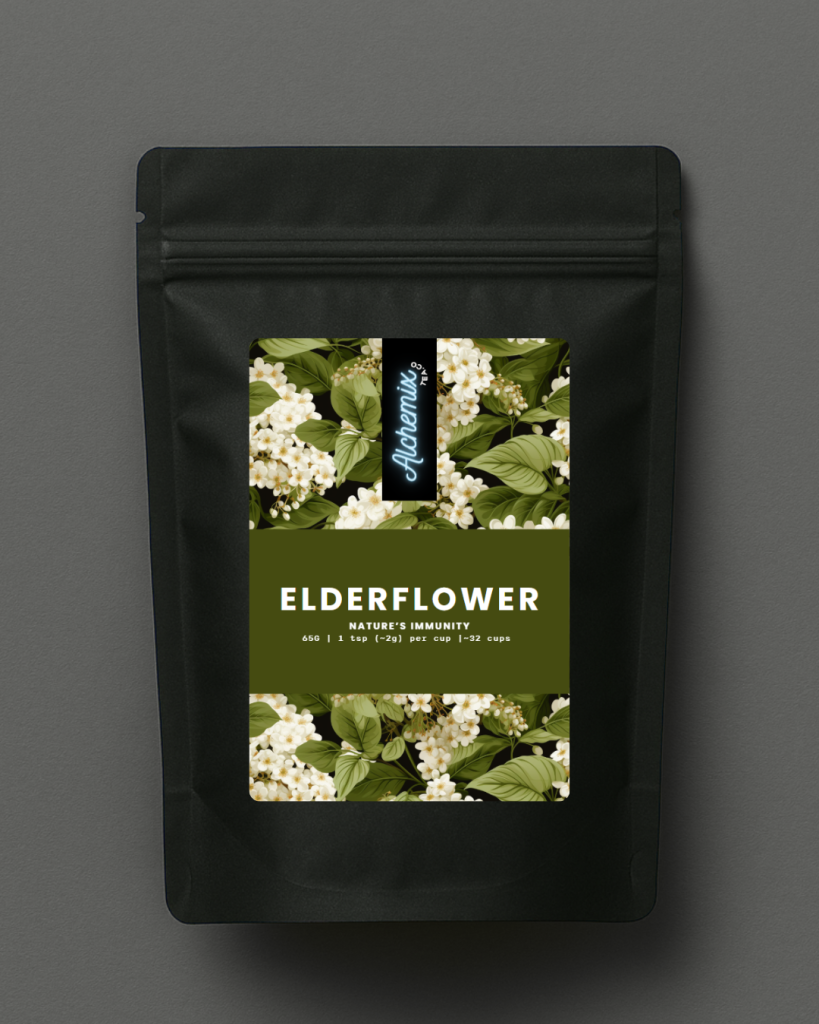
Not all elderflower tastes the same. Freshness matters. The blossoms should be whole, aromatic, and pale. Our elderflower tea is made from clean, naturally dried flowers that steep into a light, floral cup without bitterness. It is the kind of tea you can drink daily without getting tired of the taste.
If you want a simple habit that helps you breathe easier, feel less puffy, and move through cold season with more ease, this is the one to keep stocked. Buy elderflower tea here and make it part of your cold season routine.
Related Articles





-
Matcha Scoop
$ 7.00 -

Everyday Matcha
$ 19.00 – $ 49.00 -
Stainless Steel Tea Infuser
$ 18.00 -
Reusable Tea Bags (Set of 5)
$ 15.00 -

French Earl Grey
$ 19.00 – $ 49.00
 We do loose leaves that you can taste and non of that dusty stuff in a bag.