
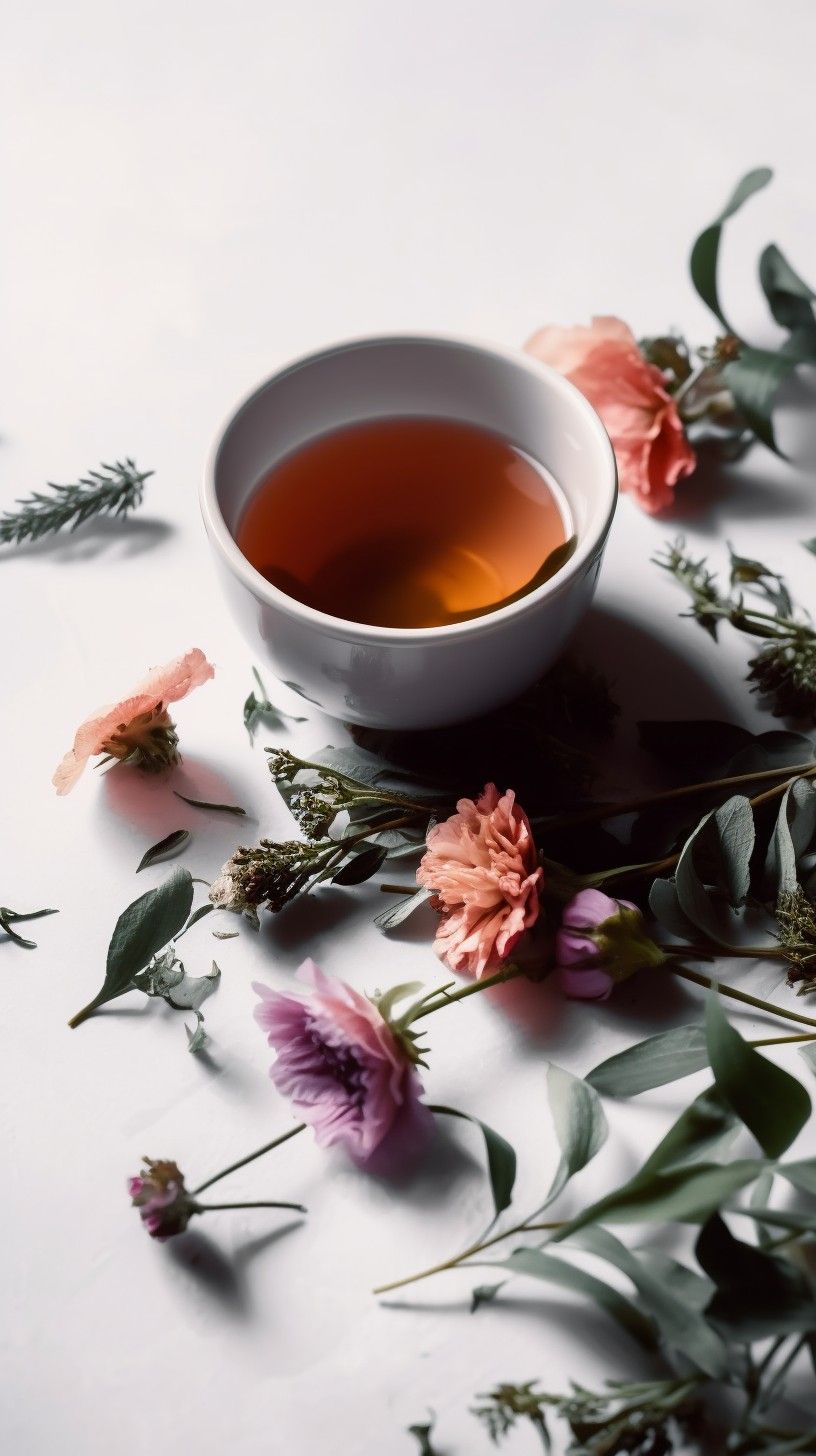
Black tea is one of the most widely enjoyed tea styles, known for its deep colour, bold aroma, and wide range of flavours. In New Zealand, it’s the kind of tea that suits everything from a quick weekday cuppa in Auckland traffic to a slow morning at home with toast, cheese scones, or a custard square. From brisk breakfast cups to smooth single-origin leaves and fragrant black tea blends, there is a black tea variety for nearly every taste and routine.
What makes black tea different from other teas?
Black tea is made from tea leaves that are fully oxidised, which gives it a darker appearance, richer flavour, and fuller body than many green or white teas. Oxidation is the natural process that changes the leaf after it is rolled or bruised, developing flavours that may taste malty, fruity, woody, floral, or lightly sweet. This is why black tea often stands up well to milk, sugar, spices, citrus, and other ingredients used in classic black tea blends.
The style of black tea depends on where it is grown, how the leaf is processed, and whether it is sold as a single-origin tea or blended with other teas and botanicals. Some varieties are bright and brisk, while others are soft, honeyed, or smoky. Once you know the broad categories, it becomes easier to buy black tea that matches the way you actually like to drink it.
Classic single-origin black teas
Single-origin black tea comes from a specific region, and often from a particular estate, garden, or growing area. These teas are a great place to start if you want to understand how origin shapes flavour. They can be enjoyed plain, but many also pair beautifully with milk or a small amount of sweetener.
Assam
Assam black tea is commonly associated with strength, depth, and a malty character. Grown in India’s Assam region, it is often used in breakfast-style blends because it creates a bold cup that does not disappear when milk is added. If you like a hearty morning tea (especially alongside a mince and cheese pie from the bakery), Assam is usually a dependable choice.
Darjeeling
Darjeeling black tea is often lighter and more aromatic than many other black teas. Depending on the harvest and processing, it can taste floral, fruity, muscatel, or softly brisk. It is usually best enjoyed without heavy additions, because milk can cover some of its more delicate notes.
Ceylon
Ceylon tea, grown in Sri Lanka, can vary widely depending on elevation and region, but it is often bright, lively, and clean-tasting. Many Ceylon teas work well as everyday black tea because they feel refreshing rather than heavy. They are also useful in iced tea, citrus-forward blends, and afternoon cups.
Keemun
Keemun is a Chinese black tea known for a smooth, refined profile. It may have notes that seem gently fruity, lightly smoky, floral, or cocoa-like, depending on the tea. It is a good option for drinkers who want richness without the strong bite of a very brisk breakfast tea.
Yunnan
Yunnan black tea often has a warm, rounded character with earthy, malty, or honeyed notes. Some versions include golden tips, which can add softness and visual appeal. This black tea variety is worth trying if you like a full-bodied cup that still feels smooth.
Popular black tea blends
Black tea blends combine teas from different origins or add ingredients such as bergamot, spices, dried fruit, flowers, or smoke. Blending is not just about flavouring; it can also create consistency, balance strength, or make a tea better suited for a particular moment of the day. If you’re deciding between Breakfast vs Earl Grey, it helps to think about whether you want a classic malty cup or something more citrusy and aromatic.
Common black tea blends include:
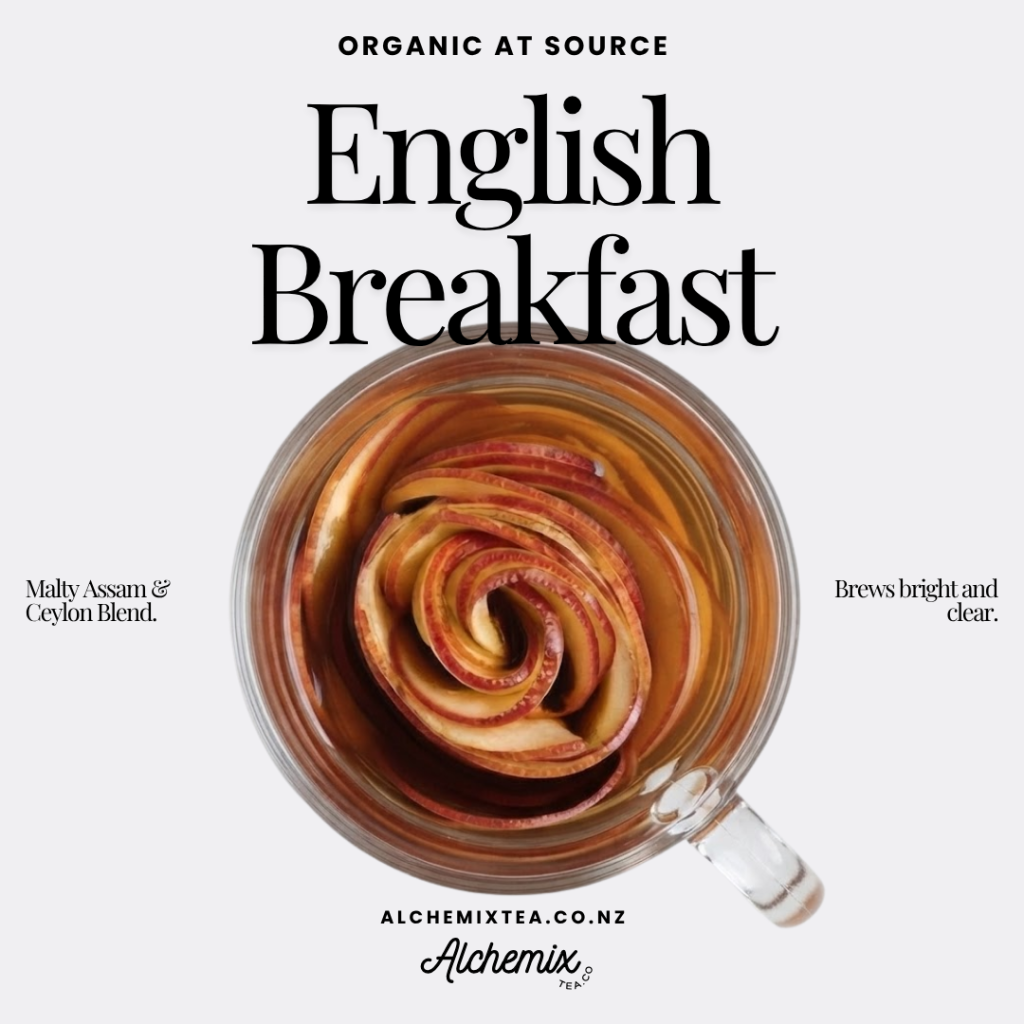
- English Breakfast: Usually bold, brisk, and designed to pair well with milk. It’s a practical everyday choice for people who want a reliable morning cup, whether you’re heading into the office in Wellington or taking it easy at home. For ideas that suit local tastes, explore these breakfast tea food pairings.
- Irish Breakfast: Often stronger and more robust than English Breakfast, frequently featuring Assam-style depth. It suits drinkers who prefer a powerful brew.
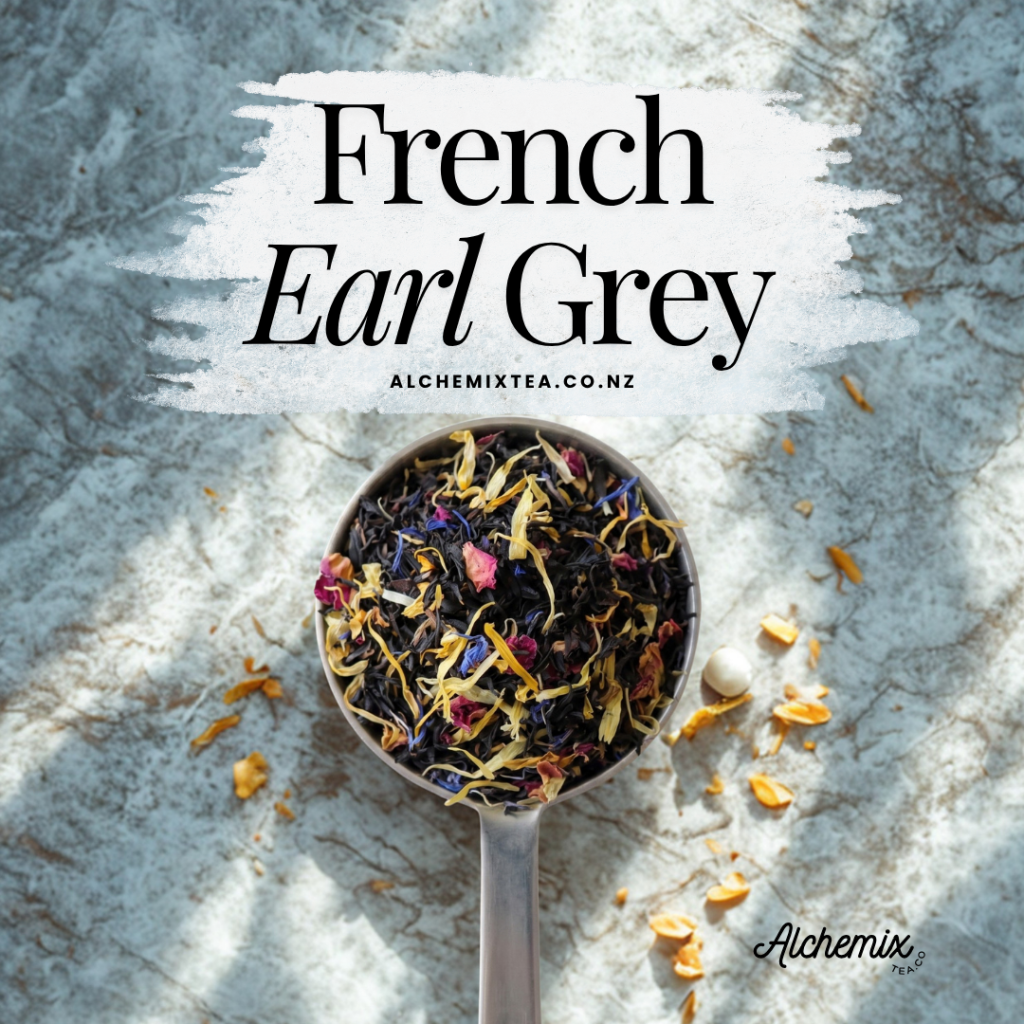
- Earl Grey: Black tea scented with bergamot, giving it a citrusy, fragrant character. It can be enjoyed plain, with milk, or as a base for tea lattes.
- Masala chai: Black tea blended with warming spices such as cardamom, cinnamon, ginger, cloves, or pepper. It is commonly brewed with milk and sweetener for a rich, comforting drink. It’s great on a cold Christchurch afternoon.
- Russian Caravan-style blends: Often associated with smoky or lightly toasted notes. These are appealing if you enjoy a darker, more atmospheric cup.
- Fruit or floral black tea blends: These may include ingredients such as rose, peach, vanilla, or berries. They are approachable options for people who want black tea with a softer or more aromatic edge.
Blends are especially useful when you want a consistent flavour profile. Single-origin teas may shift with season and harvest, while a skilled blend aims to deliver a familiar cup each time.
Which black tea variety should you try first?
The best black tea to try first depends on whether you like your tea strong, smooth, fragrant, spiced, or refreshing. If you usually add milk, start with Assam, English Breakfast, Irish Breakfast, or masala chai. If you prefer tea plain, try Darjeeling, Keemun, Yunnan, or a bright Ceylon.
Use your daily routine as a guide. A strong breakfast tea may be ideal in the morning, while a lighter Darjeeling or Ceylon can feel better in the afternoon. If you are switching from coffee, a malty Assam or robust breakfast blend may feel more satisfying than a delicate tea.
Here is a simple tasting checklist:
- For strength: Choose Assam, Irish Breakfast, or a breakfast blend.
- For fragrance: Choose Earl Grey, Darjeeling, or a floral black tea blend.
- For smoothness: Choose Keemun, Yunnan, or a milder Ceylon.
- For spice: Choose masala chai or a cinnamon-forward black tea blend.
- For iced tea: Choose Ceylon, Nilgiri, or a citrus-friendly blend (handy for summer barbecues or a day at the beach in Nelson).
- For milk tea: Choose Assam, English Breakfast, Irish Breakfast, or chai.
Brewing tips for a better cup
Even a high-quality black tea can taste flat or bitter if it is brewed carelessly. Most black teas respond well to freshly boiled water and a steeping time of a few minutes, but the exact time depends on leaf size, blend, and personal preference. Smaller leaves usually brew faster and stronger, while whole leaves often need a little more time to open fully.
To improve your cup, focus on four simple details:
- Use fresh water. Water that tastes clean and lively will make the tea taste better.
- Measure consistently. Start with a standard spoonful per cup, then adjust stronger or lighter.
- Watch the steep. Over-steeping can bring out harshness, especially in brisk teas.
- Taste before adding extras. Milk, honey, lemon, or sugar can enhance black tea, but they should support the flavour rather than hide it.
If you’re keen to get more aroma and texture out of your tea, try brewing loose leaf tea more often. It’s an easy upgrade once you find a black tea variety you love.
How to buy black tea with confidence
When you buy black tea, look for clear information about origin, ingredients, leaf style, and flavour notes. A good product description should help you understand whether the tea is bold, smooth, smoky, citrusy, spiced, or floral. If a blend includes flavourings, fruits, spices, or flowers, those ingredients should be easy to identify.
It also helps to choose based on how you plan to drink it. Loose leaf black tea can offer more control and complexity, while tea bags are convenient for busy mornings, offices, and travel. Samplers are useful if you are still learning your preferences because they let you compare several black tea varieties without committing to a large quantity.
Before buying, consider:
- Whether you want single-origin tea or a blend
- Whether you drink tea plain, with milk, or iced
- Whether you prefer bold, bright, smooth, smoky, or aromatic flavours
- Whether you want loose leaf, sachets, or traditional tea bags
- Whether the ingredient list matches your taste and dietary preferences
A world of flavour in one category
Black tea is not one single flavour; it is a broad category with impressive variety. Assam can be bold and malty, Darjeeling can be elegant and fragrant, Ceylon can be bright and refreshing, and black tea blends can be comforting, spicy, citrusy, or sweetly aromatic. Once you explore a few styles, choosing your next cup becomes easier and more enjoyable.
If you are new to black tea, start with two or three contrasting options: one strong breakfast blend, one smooth single-origin tea, and one flavoured or spiced blend. That small tasting journey will quickly show you what you like, what you reach for daily, and which black tea variety deserves a permanent place in your cupboard.
Shop English Breakfast tea if you want a classic, milk-friendly black tea to start with.
Related Articles





-

Matcha Scoop
$ 7.00 -
English Breakfast Tea
$ 17.50 – $ 47.00 -

Matcha Bowl
$ 35.00 -
Reusable Tea Bags (Set of 5)
$ 15.00 -

French Earl Grey
$ 19.00 – $ 49.00
 We do loose leaves that you can taste and non of that dusty stuff in a bag.