
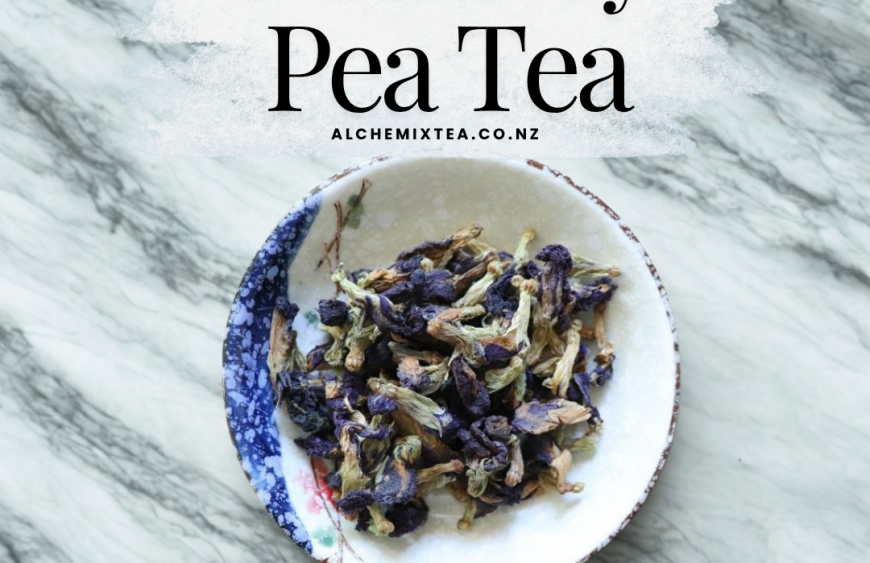
Butterfly pea tea is a naturally vivid herbal infusion made from the blue petals of Clitoria ternatea. For tea drinkers comparing caffeine-free options, it stands out for its striking colour, mild earthy flavour, and flexible use in hot drinks, iced teas, mocktails, and wellness routines. The best way to choose it is to understand what it does well, where the evidence is still developing, and how it compares with other everyday teas.
What makes butterfly pea tea different from other herbal teas?
Butterfly pea tea is different because its deep blue colour comes from anthocyanins, plant pigments also studied for antioxidant activity. Research reviews describe Clitoria ternatea flowers as a notable source of stable blue anthocyanins (see this open-access review), which explains both the colour and much of the interest around butterfly pea benefits. Unlike black or green tea, it is typically enjoyed as an herbal infusion rather than a traditional caffeinated tea from Camellia sinensis.
That distinction matters when you are comparing options. If you want a morning lift, green or black tea may be a better fit because they naturally contain caffeine. If you want a calming-looking, caffeine-free evening drink or a colourful base for recipes, blue butterfly tea has a stronger case.
The practical butterfly pea benefits to consider
Many people discover butterfly pea tea for the colour, then keep it for the convenience and versatility. Its health appeal is mostly tied to plant compounds such as anthocyanins and flavonoids, but it is important to keep expectations realistic. Laboratory and review research supports antioxidant potential, while more human clinical research is still needed before making strong health claims (for example, this PubMed-indexed review).
For a decision-minded buyer, that means butterfly pea tea is best viewed as a supportive lifestyle drink, not a treatment. It can be part of a balanced routine in the same way many caffeine-free herbal teas are: pleasant, hydrating, low-effort, and easy to personalise.
Common reasons people choose it include:
- Caffeine-free sipping: useful in the afternoon or evening when you want a tea moment without stimulant effects.
- Visual appeal: its natural blue colour makes simple drinks feel special without needing artificial colouring.
- Recipe flexibility: it works hot, iced, lightly sweetened, or blended with citrus, mint, lemongrass, ginger, or fruit.
- A gentle flavour profile: the taste is usually mild, earthy, and slightly floral, so it does not overpower other ingredients.
- Antioxidant interest: its blue pigments have been researched for antioxidant properties (see this research overview), though this should not be confused with proven disease prevention.
If you are comparing “health benefits tea” options, green tea has a larger research base, while butterfly pea tea has a stronger advantage for colour, caffeine-free use, and creative preparation. If you want a deeper look at everyday fit and habit-building, see butterfly pea tea benefits for daily use.
How does blue butterfly tea compare with green tea, chamomile, and matcha?
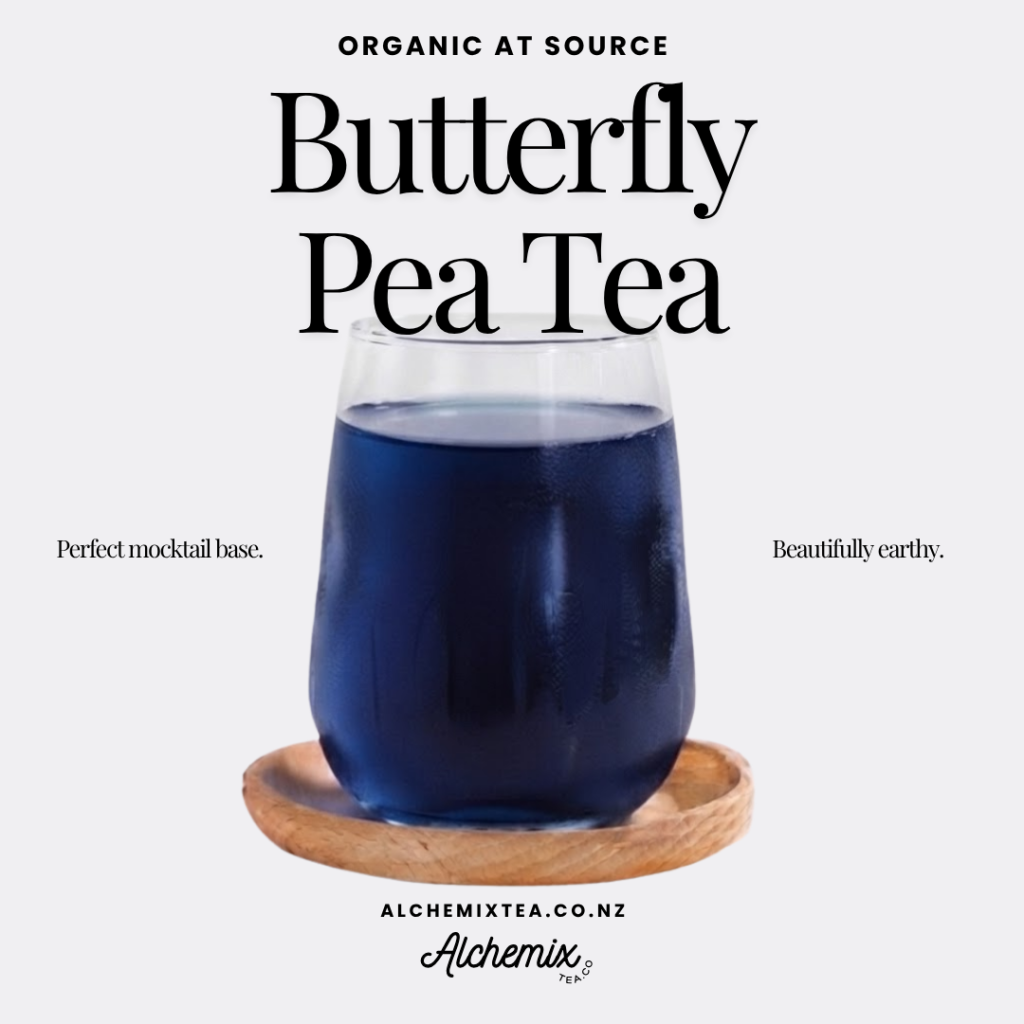
Blue butterfly tea is the better choice when you want a caffeine-free, visually striking drink; green tea or matcha may suit you better when you want caffeine and a more established traditional tea profile. Chamomile remains a familiar choice for a soft, bedtime-style herbal cup, while butterfly pea tea feels more versatile for iced drinks and entertaining.
Think of the comparison this way:
- Choose butterfly pea tea if you want a caffeine-free herbal drink, a dramatic blue infusion, or a natural colour-changing ingredient for recipes.
- Choose green tea if you want a grassy, lightly caffeinated tea with a long-standing research conversation around tea polyphenols.
- Choose chamomile if you prefer a soft floral flavour and a classic wind-down cup.
- Choose matcha if you want a bolder, caffeinated powdered tea experience and do not mind a more intense flavour.
There is also “blue matcha,” which is usually powdered butterfly pea flower rather than true matcha made from tea leaves. The Cleveland Clinic has a helpful explainer on what “blue matcha” is (and isn’t), which is a useful reminder that product format and ingredient quality matter.
If you are in New Zealand and already keep local herbal options on hand (for example kawakawa-based blends), butterfly pea tea tends to sit in a different lane: less about strong flavour, more about colour, mixability, and caffeine-free variety.
Everyday uses that make butterfly pea tea worth keeping on hand
One of the strongest reasons to buy butterfly pea tea is its usefulness beyond a standard cup. Brew it as a simple hot infusion when you want something soothing and low-fuss. Chill it for iced tea, or freeze it into cubes that slowly turn lemonade, sparkling water, or cocktails a blue-purple shade as they melt.
Its famous colour shift happens when acidic ingredients, such as lemon or lime, are added. The drink moves from blue toward purple or pink, making it popular for layered drinks, brunches, parties, and non-alcoholic alternatives. In a New Zealand context, it is an easy way to make a Mission Bay picnic cooler, a Wellington office afternoon drink more interesting, or a summer barbecue in Tauranga feel a bit more elevated—without relying on bright artificial colours.
Try these simple pairings:
- Lemon and honey: bright, familiar, and ideal for first-time drinkers.
- Mint and lime: refreshing for iced tea or sparkling water.
- Ginger and citrus: warmer, sharper, and more grown-up.
- Lemongrass: clean and aromatic, especially served cold.
- Coconut water or milk: softer and more tropical in style.
If you want a simple New Zealand-style treat pairing, the mild flavour works well alongside dark chocolate. Try it with a few squares of Whittaker’s, especially higher-cocoa bars that won’t overpower the tea.
If you are building a tea shelf, butterfly pea tea earns its place as the creative option: not necessarily the one you drink every morning, but the one that makes simple moments feel more intentional.
Common concerns before you buy
Some readers hesitate because butterfly pea tea looks almost too blue to be natural. In a quality product, the colour should come from the flower itself, not added dye. Look for ingredient lists that are simple and transparent, especially if you are buying blends.
Another concern is taste. Butterfly pea tea is not as sweet or floral as its appearance suggests. If you expect berry or candy-like flavour, you may be surprised; if you enjoy mild herbal teas, you will probably find it easy to adapt with lemon, honey, or fruit.
Safety is also worth considering. Current reviews point to promising food and beverage applications, but they also call for more rigorous clinical and regulatory evaluation, especially for broader functional or pharmaceutical use (see this review discussion). If you are pregnant, breastfeeding, managing a medical condition, or taking medication, it is sensible to ask a healthcare professional before adding concentrated herbal products or frequent servings.
How to choose a good butterfly pea tea
Quality affects colour, flavour, and overall enjoyment. Since butterfly pea tea is often bought for its vivid appearance, dull colour can be a sign of age, poor storage, or weak plant material. Choose products that make the origin, ingredients, and format easy to understand.
Use this quick checklist when comparing options:
- Ingredient clarity: pure butterfly pea flower or clearly labelled blends.
- Colour quality: petals or powder that brew a strong blue infusion.
- Freshness: packaging that protects from light, air, and moisture.
- Intended use: loose flowers for brewing, powder for lattes and smoothies, blends for convenience.
- Flavour support: citrus, lemongrass, mint, or ginger if you prefer a more layered cup.
- No exaggerated claims: avoid products promising medical results or instant transformation.
If you’re deciding where to purchase and what to look for, this guide on butterfly pea flower tea and where to buy can help you compare options confidently.
For a softer next step, you can explore tea options and brewing inspiration from Alchemix Tea when you are ready to compare blends and find a style that suits your routine. If focus-support is your priority, you may also like butterfly pea tea for focus and mental clarity.
A balanced takeaway
Butterfly pea tea is a smart choice if you want a caffeine-free herbal infusion that is beautiful, adaptable, and enjoyable in more than one format. Its most practical benefits are everyday ones: colour, creativity, hydration, and a gentle tea habit, with antioxidant interest as a supporting point rather than a guaranteed health outcome.
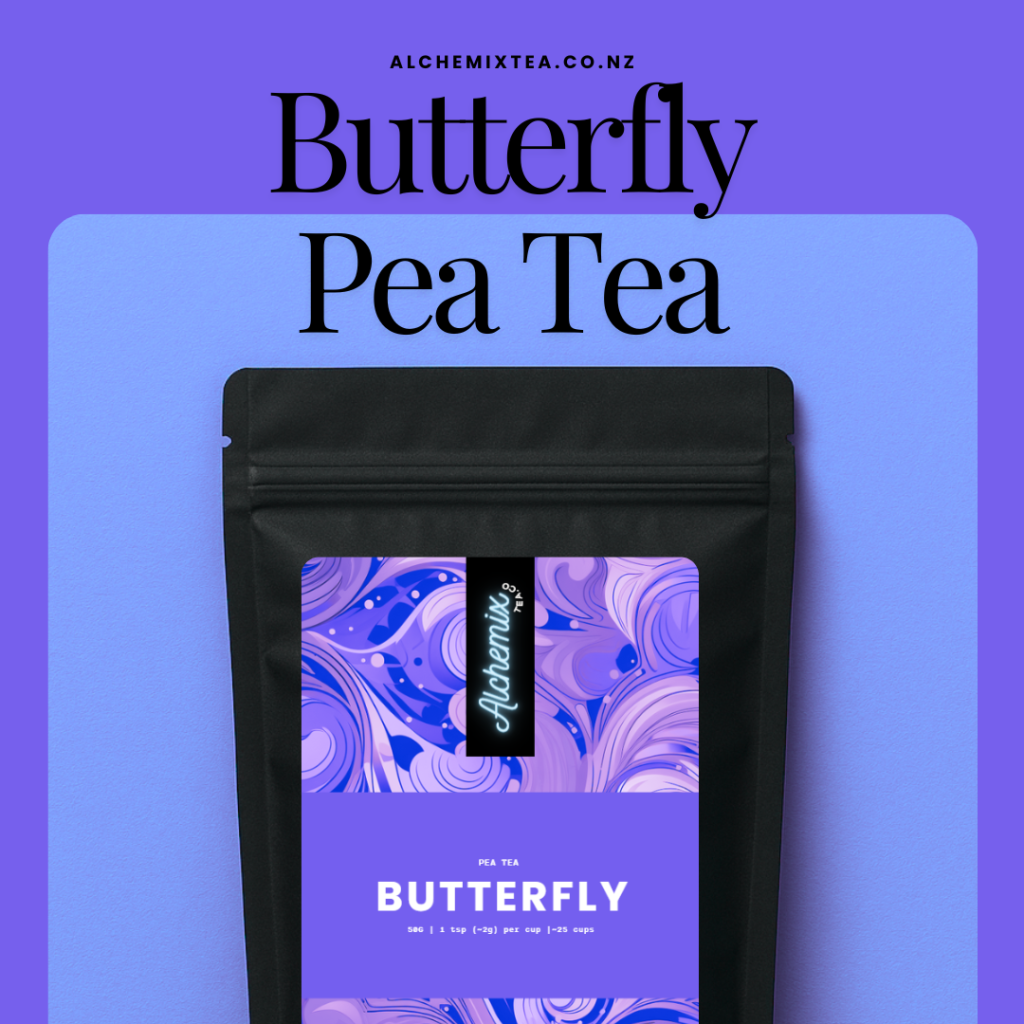
If you are choosing between teas, match the drink to the moment. Pick green tea or matcha for caffeine, chamomile for a familiar calming cup, and butterfly pea tea when you want something caffeine-free, versatile, and visually memorable. Grab your bag of butterfly pea tea from us today.
Related Articles





-
Eco Brew Bags
$ 5.99 – $ 17.99 -
Stainless Steel Tea Infuser
$ 18.00 -

Matcha Scoop
$ 7.00 -
Blend No.02 - Rose, Raspberry Leaf, Acai, Goji
$ 15.99 – $ 42.00 -
Matcha Bowl
$ 35.00
 We do loose leaves that you can taste and non of that dusty stuff in a bag.