
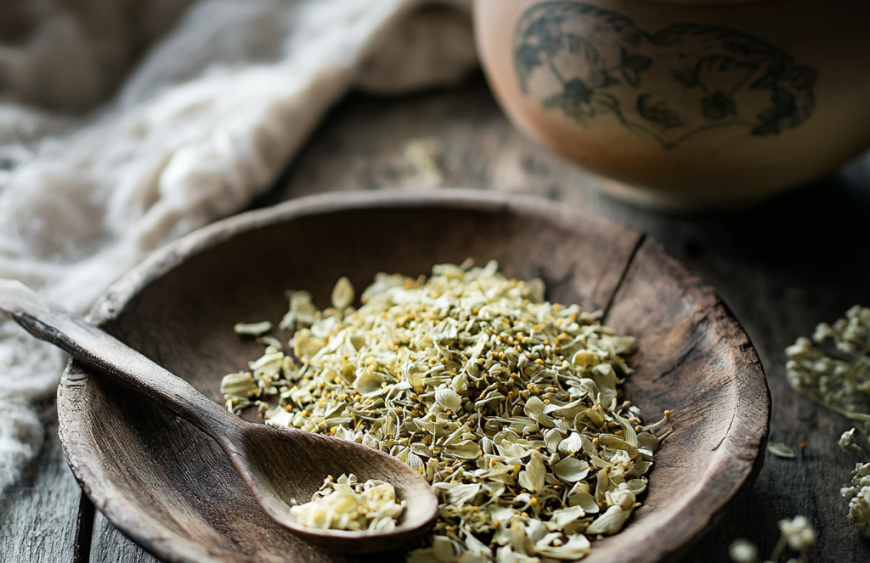
You know that uncomfortable, tight-belly feeling that shows up after a salty meal, long day sitting, or during PMS? That’s bloating — and while it’s usually harmless, it’s also annoying. If you’re into herbal remedies or functional teas, there’s one floral option that doesn’t get enough credit: elderflower tea.
Here’s what we know (and don’t know) about elderflower and its potential to support bloat and puffiness relief — without the pseudoscience.
What Is Elderflower Tea?
Elderflower tea is brewed from the tiny white blossoms of the Sambucus nigra plant — a close botanical relative of elderberries, which are more famous for their immune perks. The flowers contain a range of bioactive compounds, including:
- Flavonoids like quercetin and rutin (antioxidant and anti-inflammatory properties)
- Triterpenes, phenolic acids, and trace amounts of volatile oils
- Mild mucilage, which may help soothe irritated mucosal tissue
In short: it’s a phytochemical-rich herb with gentle, system-calming effects.
How Elderflower Tea Might Help with Bloating
While there’s limited modern clinical research on elderflower tea specifically for bloating, we do have:
- Historical use in herbalism: Elderflower is a common ingredient in European herbal protocols for fevers, swelling, and mild digestive upset.
- Anecdotal: Many people report it helps reduce “puffiness” or “heaviness,” especially during PMS.
- Physiological mechanisms:
- Mild diuretic activity may support fluid balance
- Anti-inflammatory effects could ease systemic puffiness
- Gentle digestive support, especially post-meal
This makes it a solid tea candidate if your bloating is caused by water retention or low-grade gut irritation.
Benefits of Elderflower Tea (What the Data Suggests)
| Effect | Mechanism | How It Might Help |
|---|---|---|
| 💧 Mild diuretic | Flavonoids may increase urine output | Supports de-puffing and fluid balance |
| 🔥 Anti-inflammatory | May inhibit cytokines and COX-2 pathways | Could reduce abdominal bloating and skin swelling |
| 🌿 Antioxidant | Rutin + quercetin = oxidative stress support | Possibly helpful for skin and gut health |
| 🫖 Digestive aid (traditionally) | Light carminative and calming properties | Eases mild gas or fullness |
How to Brew Elderflower Tea
For optimal extraction:
- Use 1–2 tsp of dried elderflower
- Steep in 90–95°C water (just under boiling) for 7–10 minutes
- Cover your cup to trap the volatile oils
- Strain, then drink as-is or with lemon/honey
It’s naturally caffeine-free and works well as part of an evening routine or a midday digestive break.
Tip: Don’t boil elderflower directly. High temps can degrade some of its active compounds (especially the aromatic ones).
When to Drink It for Best Results
- After heavy meals – for mild digestive support
- Before bed – to reduce overnight puffiness
- During PMS – bloating + mood regulation ritual
- As a lymph support tea (used by some herbalists in skin-clearing protocols)
Where to Get Elderflower Tea
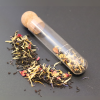
Look for dried, food-grade elderflower from a reputable source. Organic is preferred. The petals should be pale cream, not brown or overly crushed. Bonus if they smell slightly sweet and grassy — that means they’re still active.
At Alchemix Tea Co, we stock elderflower tea as part of herbal tea range. No fillers, just real plants.
Elderflower tea isn’t a miracle cure — but it might support your system when you’re dealing with that bloated, puffy, “ugh” feeling. It’s gentle, soothing, and low-effort, which makes it a great tool in your daily wellness stack.
Plus, it tastes subtly sweet and floral — like a lighter version of chamomile with a meadow vibe. No weird aftertaste, no caffeine crash.
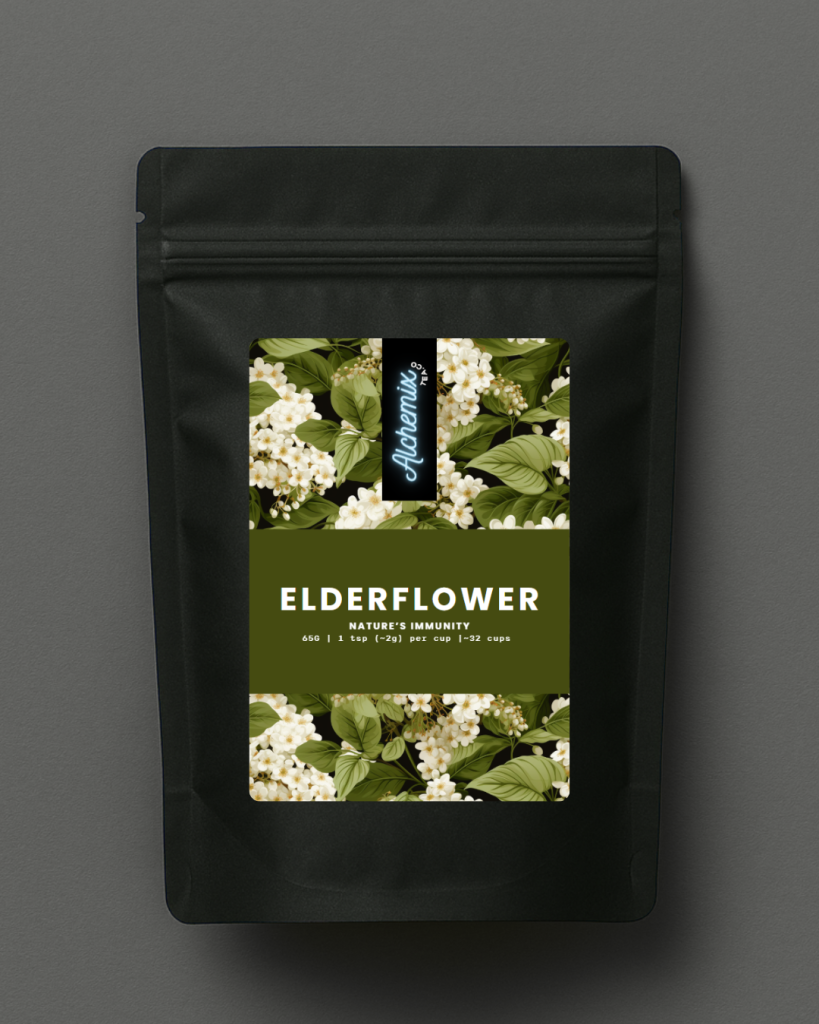
Elderflower Tea
Elderflower Tea is your go-to for calm clarity and immune support. Lightly floral with a natural sweetness, it soothes the senses while helping your body fight off seasonal fatigue and inflammation.
Frequently Bought Together
Add both to cart here & save
Related Articles





-
Soursop Tea
$ 19.00 – $ 52.00 -
Matcha Bowl
$ 35.00 -
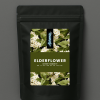
Elderflower Tea
$ 15.00 – $ 39.00 -
English Breakfast Tea
$ 17.50 – $ 47.00
 We do loose leaves that you can taste and non of that dusty stuff in a bag.