
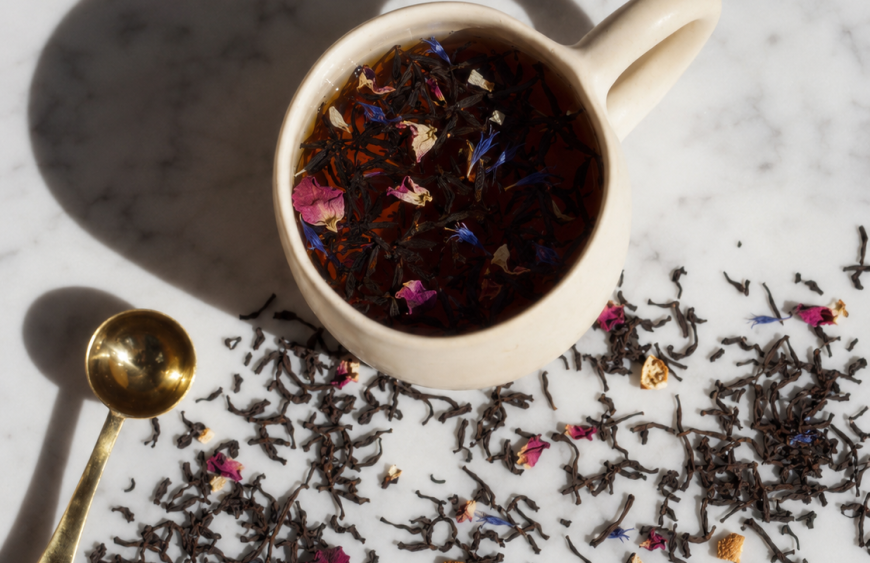
There is nothing worse than putting the kettle on, grabbing a biscuit from the tin, and ending up with a cup of black tea that tastes stale, bitter, or oddly perfumed. With so many black tea brands available in New Zealand (from supermarkets to online stores), it helps to know what quality looks like on the label and in the leaf, before you spend money on a bigger bag or tin.
This guide is for the point where you are ready to buy. You will learn the quick checks that separate everyday tea from a genuinely good cup, plus how to choose the right style for how you drink tea at home. In other words, how to find the best black tea for your taste, not just the one with the nicest packaging. If you are leaning towards French Earl Grey for afternoons and baking, you will also see what to look for in a well-balanced blend.
What makes a black tea brand ‘quality’?
A quality black tea brand is consistent, transparent, and focused on freshness. That means you can quickly understand what you’re buying (origin or blend style), how it’s meant to taste, and how to brew it so it performs well in a standard mug or teapot.
Look for brands that provide:
- Clear product descriptions: origin, style, and realistic tasting notes (for example, malty, brisk, citrusy).
- Freshness cues: best-before dates, tight packaging, and storage guidance.
- Brewing instructions: leaf quantity, water temperature, and steep time.
- Ingredient clarity: especially important for flavoured black teas like French Earl Grey.
Start with the style of black tea you actually want
‘Black tea’ covers a wide range of flavours, from bold breakfast blends designed for milk, to lighter, more aromatic cups you’ll happily drink plain. Before you compare brands, decide what you want most days.
- Strong with milk: choose robust, full-bodied breakfast-style blends.
- Bright and clean: look for brisk black teas that still taste good without sugar.
- Fragrant and citrusy: choose a French Earl Grey if you want a black tea with a lifted, aromatic finish (great as an afternoon cuppa with a slice of ginger crunch).
If you’re tossing up between English Breakfast and Earl Grey, the English Breakfast vs Earl Grey comparison is a useful place to start.
Check the ingredient list (especially for flavoured teas)
For plain black tea, the ingredient list should be simple: black tea. For flavoured teas, you want specifics, what’s added, and how the flavour is created.
A common issue with low-quality flavoured black teas is that heavy scenting tries to cover up a weak base tea. A better flavoured tea still tastes like black tea first, with the flavour sitting naturally on top.
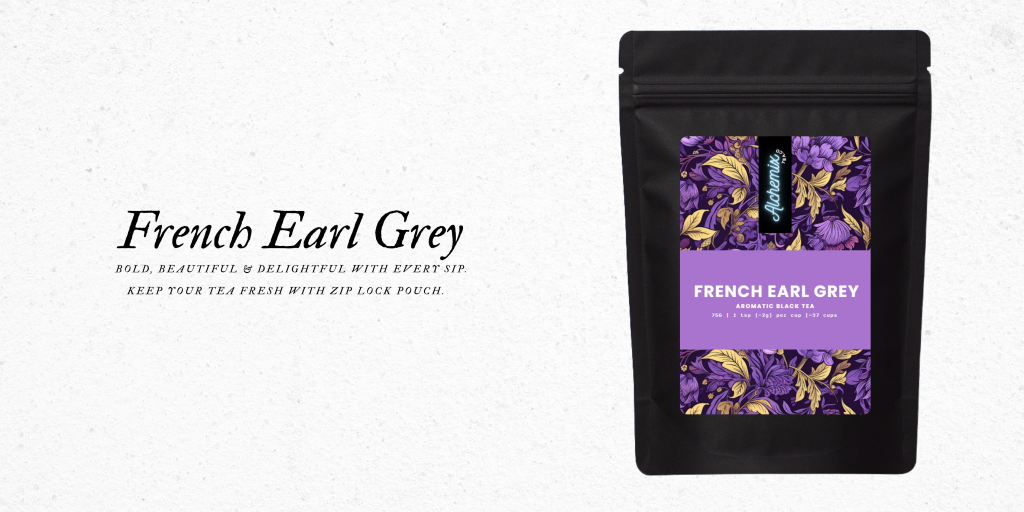
French Earl Grey is its own style of blend. It is different from a classic Earl Grey because it is usually more floral and aromatic, not just straight citrus. When you are shopping, look for a French Earl Grey that stays balanced with or without milk, and still tastes like tea rather than just perfume. That is where a well-made French Earl Grey can earn its place in the cupboard.
Freshness and packaging matter more than a fancy tin
Black tea is fairly stable, but it still goes stale, especially once opened. In a typical New Zealand kitchen (steam, sunlight, and strong smells from cooking), poor packaging can quickly strip the tea’s aroma.
Prioritise packaging that protects the leaves from air, light, heat, and moisture:
- Sealed, resealable pouches or properly sealed tins
- Minimal headspace (not half-empty packaging)
- Clear best-before information
At home, store tea in an airtight container away from the oven, the bench-top fruit bowl, and anything strongly scented (spices, coffee, cleaning products). Even excellent tea can taste odd if it absorbs surrounding aromas.
Loose leaf, pyramid sachets, or tea bags: choose based on your routine
Loose leaf is often the best route for flavour and aroma because the leaves have room to unfurl, but convenience matters. The best format is the one you’ll use consistently, especially on busy mornings.
- Loose leaf: best for exploring flavour and getting a more layered cup.
- Pyramid sachets: a solid balance of convenience and space for the leaf.
- Standard tea bags: practical for the office, travel, and quick brews.
Whatever format you choose, quality brands tell you how to brew it properly so you’re not left guessing.
How to judge quality before you even brew
You can learn a lot from the label and the leaf. Before buying, check for:
- Specificity: does the product say what it is, or only use vague words like ‘premium’?
- Leaf appearance: consistency is a good sign; excessive dust can mean a thinner, harsher cup.
- Reasonable tasting notes: helpful and grounded, not over-the-top.
- Brewing guidance: time and temperature suggestions show the tea has been tested.
If you’re building your knowledge, it helps to understand the main black tea varieties you’ll see across different brands and blends.
Brew it well (so you’re judging the tea fairly)
A lot of ‘bad tea’ experiences are really brewing issues. To get a fair read on quality, keep your first brew simple:
- Use fresh water: recently boiled water gives better flavour than water that’s been reboiled multiple times.
- Don’t oversteep: too long can turn even good black tea bitter.
- Measure once: consistency helps you compare brands properly.
If you like milk, taste the tea black first, then add milk slowly. A quality breakfast-style black tea should still taste full and balanced after milk is added, not watery.
Use food pairing to choose the right black tea
One of the easiest ways to pick a black tea you’ll love is to match it to the foods you actually eat. If your afternoon tea often includes a custard square, a plain scone, or a slice of banana bread, a French Earl Grey can be a great match because the aromatics lift the sweetness. If you’re grabbing a meat pie on the run, you may prefer something bolder and more straightforward.
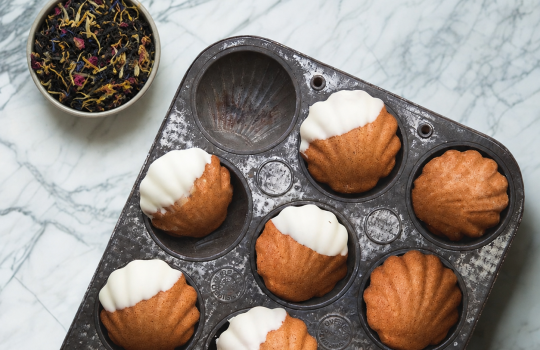
If you want more baking inspiration, or you’re choosing something rich like chocolate molten cakes or chocolate fudge pudding, a fragrant French Earl Grey is a good match.
If you’re planning a dessert spread, these French Earl Grey desserts give you a few ideas that suit classic baking.
Red flags to avoid when comparing black tea brands
Be cautious when a brand gives you very little information about the tea, especially if it’s priced as a premium product. Other warning signs include:
- Overpowering artificial aroma with a thin-tasting brewed cup
- Poorly sealed packaging
- No brewing guidance at all
- ‘Luxury’ language without any origin or ingredient detail
If you’re trying a new brand, start with a smaller quantity first. It’s the easiest way to find your favourites without ending up with a cupboard full of tea you’re only drinking out of obligation.
A practical shortlist for your tea shelf
If you want a simple, high-use setup, aim for three black teas:
- A daily strong brew for mornings and milk
- A smoother plain black tea for mid-morning or after lunch
- A French Earl Grey for afternoons, guests, and baking
Q&A: quick answers before you buy
What should I look for when buying black tea online in New Zealand?
Look for clear ingredient lists, brewing instructions, and a good description of the flavour (for example, brisk, malty, citrusy). A product page should also tell you how the tea is packaged so it stays fresh during delivery.
How do I know if a French Earl Grey is good quality?
A good French Earl Grey tastes like black tea first, with a clean citrus lift and a more aromatic finish. It should stay balanced if you drink it plain, and it should not turn thin if you add a dash of milk.
What is the difference between Earl Grey and French Earl Grey?
Earl Grey is a black tea flavoured with citrus notes. French Earl Grey is a more aromatic style that is usually more floral. If you are still deciding between a breakfast-style tea and an Earl Grey, compare English Breakfast vs Earl Grey.
What foods go best with French Earl Grey?
French Earl Grey pairs especially well with classic baking like shortbread, slices, and anything with citrus or vanilla. If you’re planning a treat with your cuppa, these French Earl Grey desserts are a good guide.
Is loose leaf better than tea bags?
Loose leaf often gives you more flavour and aroma because the leaves have space to open up. That said, a well-made tea bag or pyramid sachet can still brew a great cup. The best choice is the format you will use often and brew properly.
What is the best black tea if I want something a bit different from everyday tea?
If you want a black tea that feels more fragrant and interesting but still easy to drink, try a French Earl Grey. A well-balanced option like French Earl Grey works for everyday cups and is also a great one to serve with baking.
A simple way to choose well
When you’re comparing black tea brands, focus on what changes the cup: clear ingredient lists, good packaging, realistic tasting notes, and brewing instructions you can follow without fuss. Choose a style that suits how you actually drink tea, then buy a small amount and brew it the same way each time so you can compare fairly.
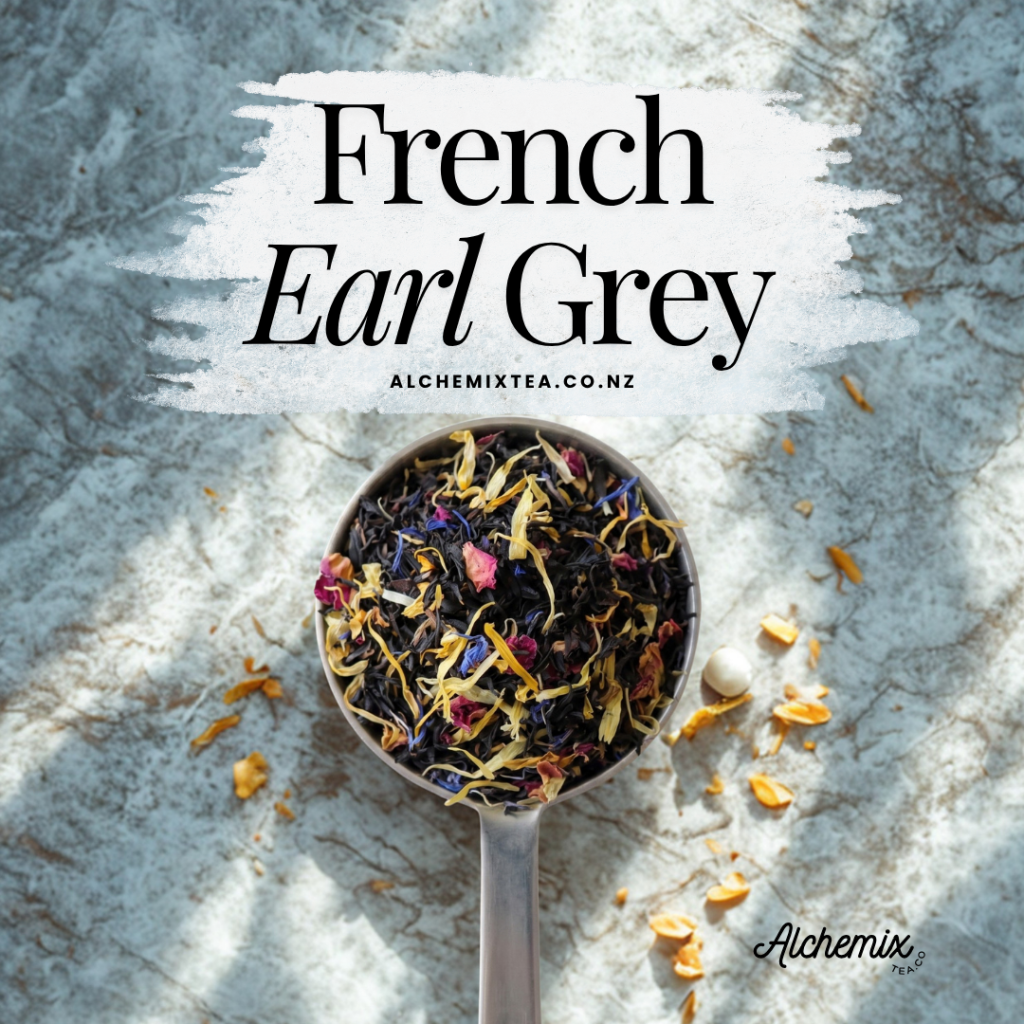
If your idea of the best black tea is one that tastes fresh, stays balanced, and feels a bit special with baking, start with French Earl Grey and build your rotation from there.
Related Articles




-
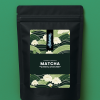
Everyday Matcha
$ 19.00 – $ 49.00 -

Matcha Whisk (Chasen)
$ 25.00 -
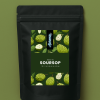
Soursop Tea
$ 19.00 – $ 52.00 -
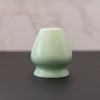
Chasen Stand
$ 17.00 -
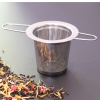
Stainless Steel Tea Infuser
$ 18.00
 We do loose leaves that you can taste and non of that dusty stuff in a bag.