
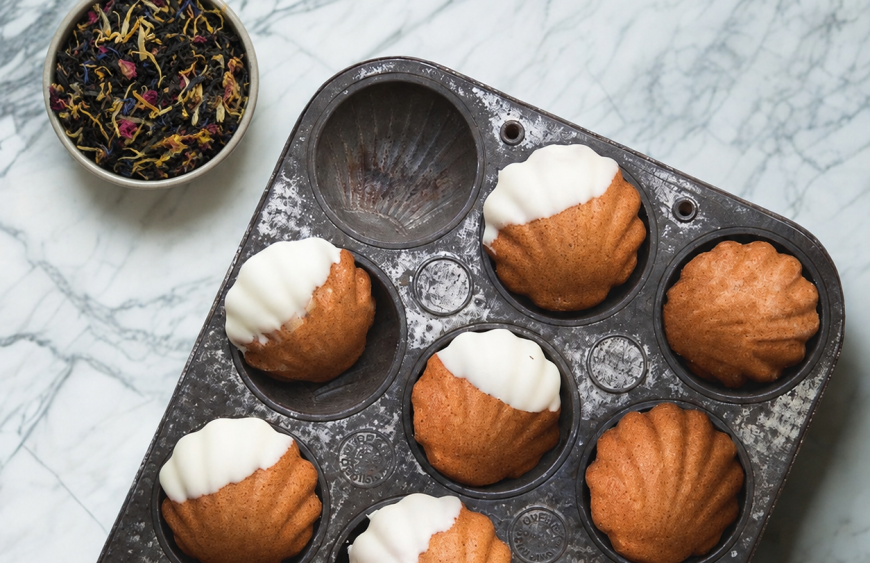
French Earl Grey is a fragrant black tea blend known for bergamot brightness and a softer floral or fruity lift. That makes it especially useful at the dessert table: it can cut richness, echo citrus notes, and add a polished finish to simple sweets. In New Zealand, it fits right in with weekend baking, cafe slices, and classic treats shared over a cuppa from Auckland to Dunedin.
If you are new to black tea styles, it helps to understand how French Earl Grey sits among different varieties of black tea, and what gives this blend its signature aroma. For a quick ingredient overview, see what’s in French Earl Grey.
What makes French Earl Grey work so well with desserts?
French Earl Grey works well with desserts because it offers contrast and harmony at the same time. The black tea base gives enough structure to stand beside butter, cream, chocolate, and pastry, while bergamot brings a clean citrus edge that keeps sweet foods from feeling heavy. Many French Earl Grey blends also include floral or fruity notes, which can make berry desserts, vanilla bakes, and custards feel more layered without needing extra sugar.
Think of it as a bridge between classic black tea and a more perfumed dessert tea. It has enough depth for rich sweets, but it rarely feels harsh when brewed carefully. If you are deciding between everyday breakfast tea and something more aromatic, this comparison of English Breakfast vs Earl Grey can help clarify the differences.
The basic pairing principles
A good dessert pairing is not about matching every flavour exactly. It is about choosing one clear role for the tea: refresh, highlight, soften, or deepen. French Earl Grey can do all four, depending on what you serve with it.
Use these simple principles when choosing a dessert:
- Match citrus with citrus: Lemon, orange, and grapefruit desserts naturally pick up the bergamot note in the tea.
- Balance richness with brightness: Creamy cheesecakes, buttery pastries, and ganache desserts feel lighter beside a fragrant cup.
- Echo floral notes gently: Rose, lavender, berry, and stone-fruit desserts can work beautifully if they are not overly perfumed.
- Avoid overpowering spice: Heavy cinnamon, clove, or chilli can crowd out the tea’s more delicate character.
- Watch the sweetness level: Very sugary desserts may flatten the tea, while moderately sweet desserts let its aroma come through.
The goal is balance. If the dessert is bold and rich, brew the tea a little stronger. If the dessert is delicate, keep the infusion smooth and moderate.
Citrus desserts create the easiest match
Citrus desserts are the most natural place to start. Bergamot, the defining flavour in Earl Grey, has a floral citrus character, so it feels right at home with lemon curd, orange cake, grapefruit posset, or citrus shortbread. The tea does not compete with these desserts; it lifts them.
Lemon tart is a standout pairing because the sharp curd and buttery crust both benefit from the tea. The bergamot mirrors the lemon, while the black tea base gives the pairing a dry, elegant finish. Orange madeleines, lemon drizzle cake, and citrus-glazed biscuits also work well because they are sweet but not too heavy.
For a simple New Zealand-style serving idea, pair French Earl Grey with lemon loaf and fresh berries, or swap in feijoa or kiwifruit when they are in season. The loaf provides sweetness and softness, the fruit adds freshness, and the tea ties the flavours together.
Creamy and buttery desserts gain balance
French Earl Grey is excellent with desserts that rely on dairy, butter, or pastry. Cheesecake, crème brûlée, panna cotta, custard tart, and éclairs all have a smooth richness that benefits from a clean, aromatic tea. Instead of adding more sweetness, the tea refreshes the palate between bites.
Vanilla desserts are especially useful because they leave room for the tea to shine. A vanilla sponge, pound cake, or shortbread biscuit may seem plain on its own, but with French Earl Grey it becomes more aromatic. The tea adds citrus, floral, and tannic notes that make the dessert feel more complete.
For buttery bakery favourites, try it with a plain scone, a light jam, or a thin slice of custard square. It also works surprisingly well with classic Kiwi bakes like afghan biscuits, where cocoa and crunchy cornflakes benefit from the tea’s bright finish.
Can French Earl Grey pair with chocolate?
Yes, French Earl Grey can pair with chocolate, especially when the chocolate is dark, bittersweet, or balanced by fruit or citrus. The tea’s bergamot note brings brightness to cocoa, while the black tea base can stand up to chocolate’s deeper flavour. Milk chocolate can also work, but it is best when the dessert is not excessively sweet.
Dark chocolate tart is a strong choice because the tea cuts through the density of the ganache. Chocolate orange cake is another natural fit, as the citrus connection is already built in. If you want a recipe to try, a chewy chocolate almond roulade makes a great match with a medium-strength brew.
For a more casual bake, French Earl Grey is also lovely with banana chocolate chip muffins, especially if you keep the tea unsweetened.
Fruit desserts bring out the tea’s aromatic side
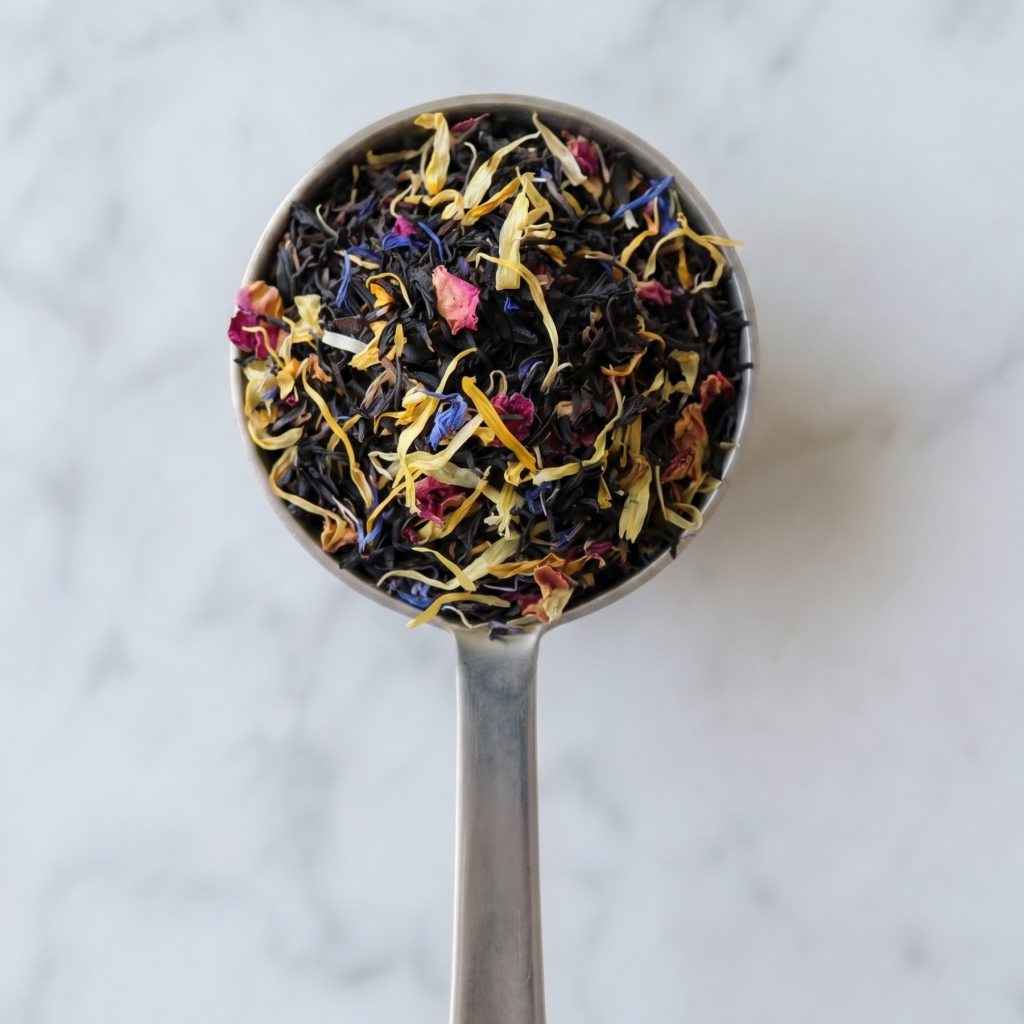
Fruit-based desserts often highlight the more graceful side of French Earl Grey. Berries, peaches, apricots, pears, and plums all have enough fragrance to meet the tea without overpowering it. This is where the blend’s floral or fruity accents can feel especially appealing.
Berry pavlova is a lovely example. The crisp meringue, soft cream, and tart berries create a mix of sweetness and freshness, while the tea adds structure. Poached pears also pair beautifully, particularly when served with vanilla, honey, or a light syrup rather than heavy spice.
For a lighter, everyday approach, choose fruit-forward bakes and desserts that are not overly sweet. You can also browse ideas from Heart Foundation healthy recipes for options that suit an afternoon tea spread.
Brewing matters as much as the dessert
Even the best dessert pairing can fall flat if the tea is over-brewed. French Earl Grey should taste fragrant, rounded, and lively, not bitter or dusty. Since desserts already bring sweetness and richness, a harsh cup can make the whole experience feel unbalanced.
A practical approach:
- Use fresh water and bring it just to a boil for a black tea base.
- Measure consistently, using enough leaf or one good-quality tea bag per cup.
- Steep for a moderate time, then taste before extending the brew.
- Add milk only when it suits the dessert, such as with cake, biscuits, or chocolate.
- Serve without sugar first, because the dessert may provide all the sweetness needed.
If you are serving a delicate fruit dessert, keep the tea clear and lightly brewed. If you are serving chocolate cake or cheesecake, a slightly stronger cup can provide better contrast.
A few pairing ideas to try
If you want an easy starting point, choose one of these combinations:
- French Earl Grey with lemon tart for a bright, classic match.
- French Earl Grey with vanilla shortbread for a simple afternoon tea pairing.
- French Earl Grey with dark chocolate orange cake for a richer dessert course.
- French Earl Grey with berry pavlova for a light, fragrant finish.
- French Earl Grey with almond cake for a soft, nutty pairing.
- French Earl Grey with poached pear for an elegant, fruit-forward option.
- French Earl Grey with lolly cake when you want something nostalgic and sweet, brewed slightly stronger to keep the balance.
These pairings work because they give the tea a clear role. It either echoes the dessert’s citrus, refreshes the palate, or adds a fragrant top note to familiar flavours.
A polished finish for everyday desserts
Pairing tea with dessert does not need to feel formal or complicated. French Earl Grey is forgiving, aromatic, and versatile enough for both casual baking and a more considered dessert course. Start with citrus, vanilla, fruit, or dark chocolate, then adjust the strength of the brew to suit the richness of the plate.
The best pairings feel balanced rather than dramatic. When the dessert is sweet, the tea should refresh. When the dessert is simple, the tea should add depth. That is the quiet pleasure of French Earl Grey: it brings elegance to the table without asking you to overthink it.
If you want to serve this style of tea at home, grab one of our bags of French Earl Grey and brew a pot at home.
Related Articles





-
Butterfly Pea Tea
$ 15.99 – $ 45.00 -
Stainless Steel Tea Infuser
$ 18.00 -
Peppermint Tea
$ 17.50 – $ 52.00 -

Blend No.02 - Rose, Raspberry Leaf, Acai, Goji
$ 15.99 – $ 42.00 -
Everyday Matcha
$ 19.00 – $ 49.00
 We do loose leaves that you can taste and non of that dusty stuff in a bag.