
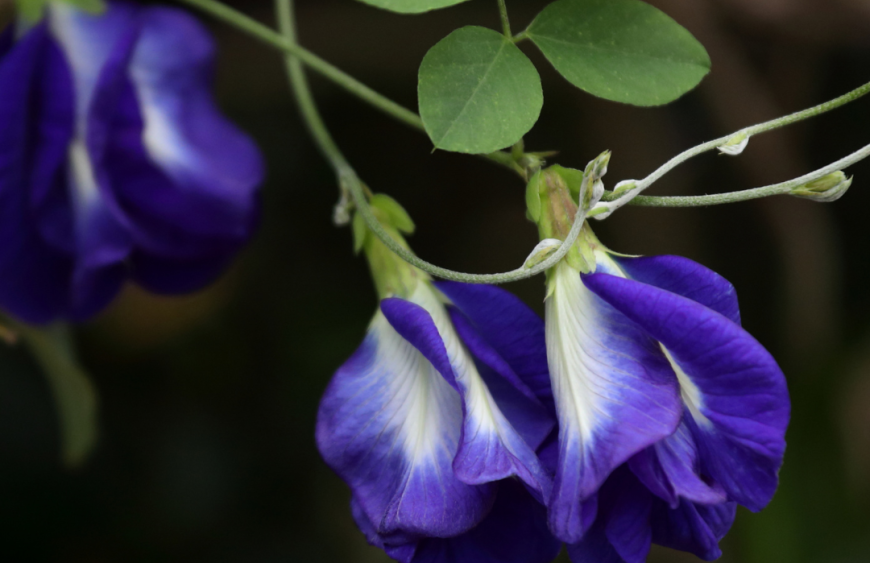
If you’ve been curious about butterfly pea flower tea benefits, you’re not alone. This naturally blue herbal infusion has become a favourite for colourful drinks and calming rituals. Made by steeping dried Clitoria ternatea flowers, butterfly pea tea is caffeine-free, subtly earthy, and famously shifts from deep blue to purple with a squeeze of lemon.
While it’s been used traditionally for generations, modern interest focuses on its antioxidant content and how it may support everyday wellbeing. Below, you’ll find a practical, New Zealand-friendly guide to what it is, how to brew it, and easy ways to enjoy it at home.
Why You Should Try Butterfly Pea Tea
Butterfly pea tea is a simple steeped herbal tea with no added colours needed. It’s a great option if you want a caffeine-free alternative to coffee or black tea, or if you enjoy making iced drinks for warm summer days in Aotearoa.
Understanding Butterfly Pea Flower
The butterfly pea flower is prized for its naturally vivid pigment (anthocyanins), which is also found in other colourful plants and berries. This is the same reason the tea can change colour depending on acidity (for example, lemon juice).
Nutritional Profile
Butterfly pea tea is most known for plant compounds like anthocyanins and other antioxidants. Like many herbal teas, it’s low in kilojoules and typically consumed without milk, though you can add sweeteners or citrus to taste.
Traditional Uses
Traditionally, butterfly pea flower has been used across Southeast Asia in drinks, desserts, and as a natural colouring. Today, it’s popular in lattes, iced teas, and cocktails thanks to its colour and mild flavour.
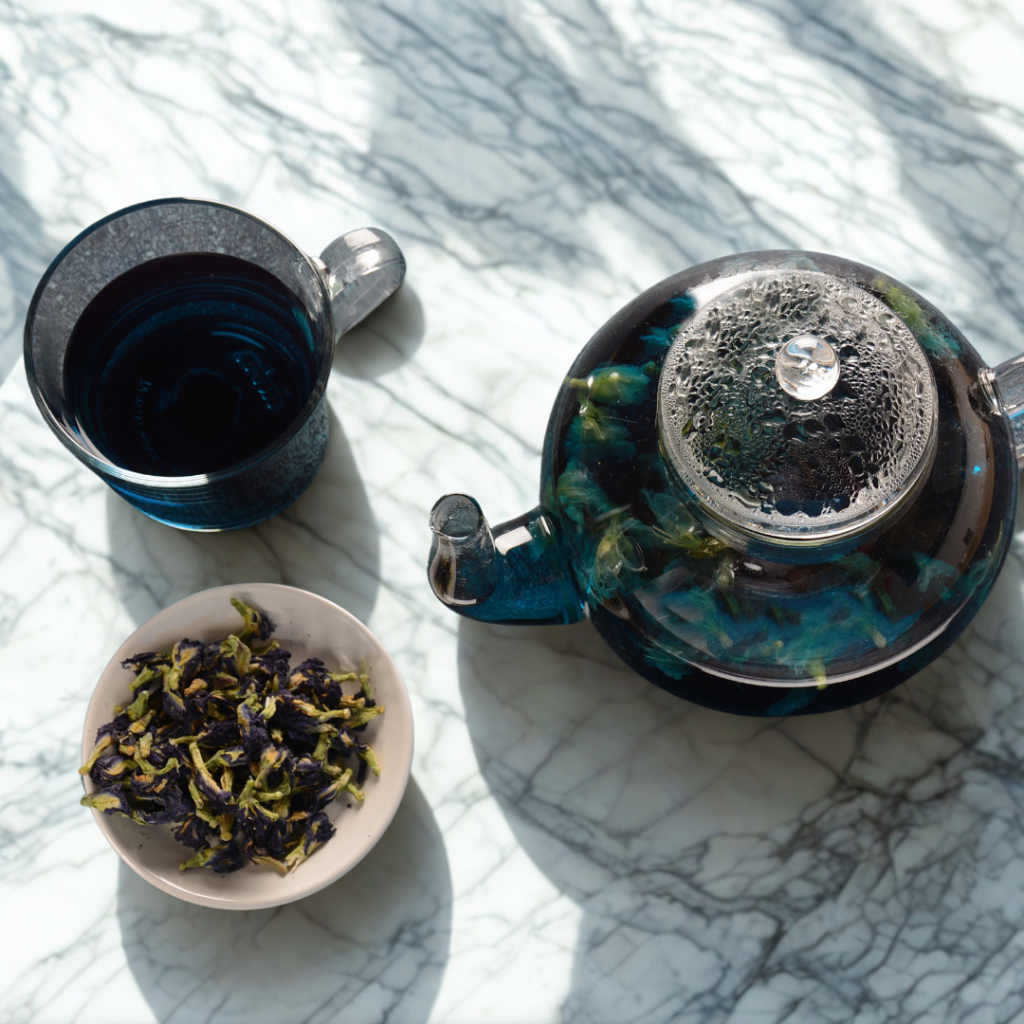
Butterfly Pea Flower Tea Benefits
Research is ongoing, but these are some of the most commonly discussed potential benefits. (As always, herbal teas aren’t a substitute for medical care.)
1. Antioxidant Properties
One of the best-known butterfly pea flower benefits is antioxidant support. Antioxidants help protect cells from oxidative stress, which is one reason colourful plant foods and drinks are often linked with general wellness.
2. Supports Cognitive Function
Some early research suggests butterfly pea may support aspects of brain health. Many people also enjoy it as part of a “focus” routine simply because it’s caffeine-free, hydrating, and easy to sip during the day.
3. Aids in Stress Relief
Because it contains no caffeine, butterfly pea tea can be a soothing evening option. Try it as a warm wind-down drink, especially on cooler Kiwi nights, paired with a light snack.
4. Enhances Skin Health
Antioxidants are commonly associated with supporting skin health as part of an overall balanced lifestyle. While it’s not a magic fix, swapping sugary drinks for an herbal tea can be a simple step many people find helpful.
5. Promotes Digestive Health
Many people enjoy butterfly pea tea after meals as a gentle, caffeine-free drink. If digestive comfort is your main goal, you may also like this guide on bloating relief tips using butterfly pea tea.
How to Brew the Perfect Cup
A basic hot brew is quick and forgiving:
- Use: 4–6 dried flowers (or follow your product’s instructions)
- Water: 250 ml just-boiled water
- Steep: 5–10 minutes (longer = deeper colour)
For colour change, add lemon juice a little at a time until it turns violet-purple. For a Kiwi twist, sweeten with a teaspoon of mānuka honey (for example, Manuka Health) and add a slice of lemon.
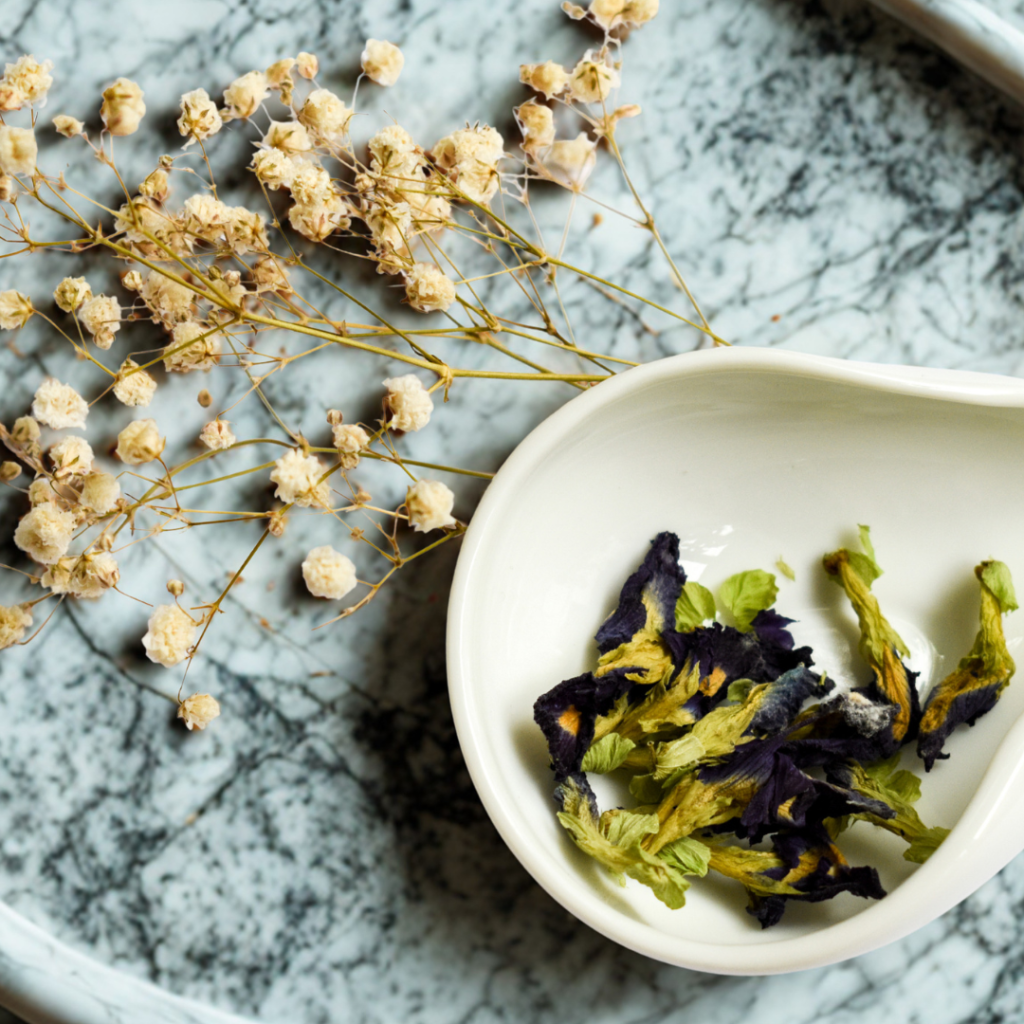
Creative Ways to Enjoy Butterfly Pea Tea
Butterfly pea tea is easy to use beyond a standard mug:
- Iced tea: Brew strong, cool, pour over ice, add lemon.
- Mocktails: Top with sparkling water and a squeeze of lime.
- Colourful lattes: Try a butterfly pea “latte” with warmed milk or plant milk (a splash of Lewis Road Creamery milk works if you enjoy dairy).
- Desserts: Use it to tint chia pudding, icing, or jelly, especially fun alongside a square of Whittaker’s dark chocolate.
If you want a deeper dive into benefits and uses, that article breaks down more ideas and practical ways to include it.
Butterfly Pea Powder Benefits and Uses
If you prefer a more versatile option, butterfly pea powder can be mixed into smoothies, baking, and drinks for colour and convenience. The potential butterfly pea powder benefits are similar to the tea, depending on how it’s prepared and how much you use.
- Smoothies: Add a small pinch for colour.
- Baking: Stir into icing or batter for a pastel blue hue.
- Beverages: Mix into lemonade for a vibrant colour shift.
Safety, Side Effects, and Who Should Avoid It
Butterfly pea flower tea is generally considered safe for most people when consumed in typical food-and-drink amounts. However, individual responses vary.
- If you’re pregnant or breastfeeding, check with a healthcare professional first.
- If you have known allergies or take regular medications, it’s sensible to ask your clinician or pharmacist about potential interactions.
- If you notice any unwanted effects, stop using it and seek advice.
Frequently Asked Questions
What does butterfly pea flower tea taste like?
It’s mild, earthy, and lightly floral, easy to customise with lemon, ginger, mint, or honey.
Does it contain caffeine?
No, it’s naturally caffeine-free.
How long should I steep it?
Usually 5–10 minutes. Longer steeping gives a deeper colour and stronger flavour.
Can I drink it every day?
Many people do. Moderation is still a good idea with any herbal drink.
Why Butterfly Pea Tea is Worth a Try
Between its striking colour, gentle flavour, and potential antioxidant support, butterfly pea tea is an easy, fun addition to a wellness routine, especially if you want a caffeine-free option that feels a bit special.
For a simple way to get started, you can shop here: buy butterfly pea tea (50 grams). If you’re exploring other blends too, you might enjoy learning about the French Earl Grey ingredients in Alchemix’s range.
Related Articles





-
Butterfly Pea Tea
$ 15.99 – $ 45.00 -
Blend No.01 - Calendula, Hibiscus, Yerba Mate
$ 15.99 – $ 42.00 -
Reusable Tea Bags (Set of 5)
$ 15.00 -
Matcha Bowl
$ 35.00 -
Soursop Tea
$ 19.00 – $ 52.00
 We do loose leaves that you can taste and non of that dusty stuff in a bag.