
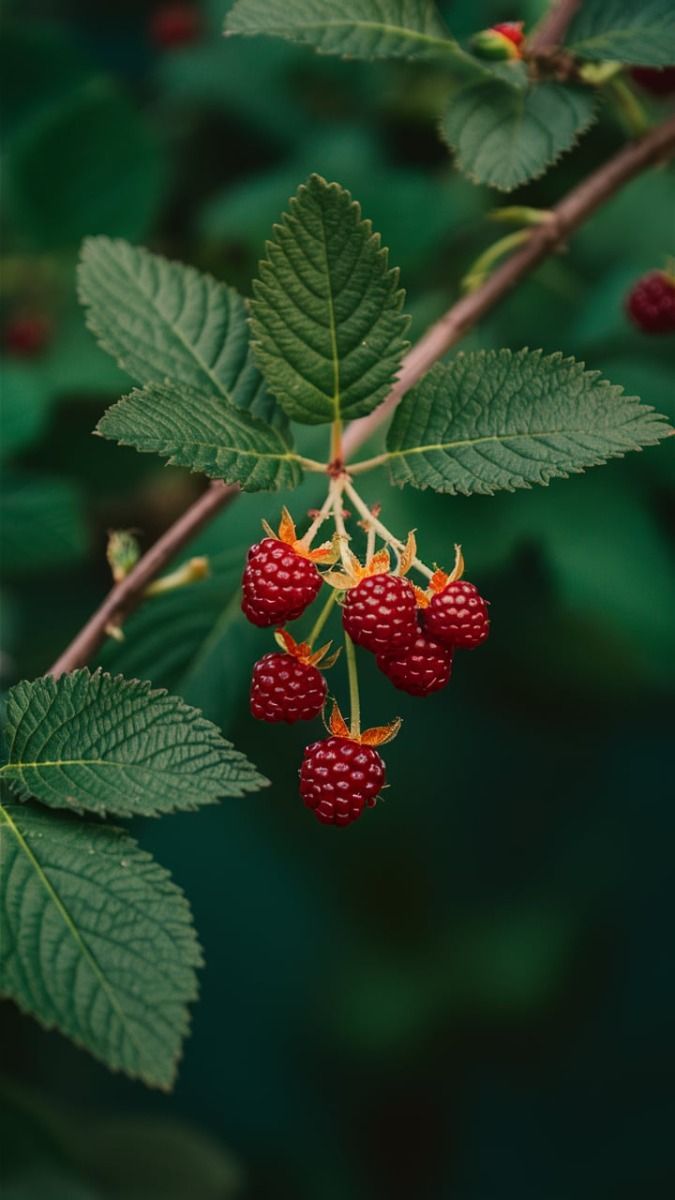
If you have ever waded through a wellness forum or chatted with a midwife, you have likely heard about raspberry leaf tea. It is often hailed as a cornerstone of women’s health, earning the classic nickname “Mother’s Little Helper.” However, despite what the name suggests, this is not a fruity or sweet infusion that tastes like a summer punnet of berries. Instead, this potent herbal tonic is made from the leaves of the Rubus idaeus plant, offering an earthy, robust flavour similar to a mild black tea. It is grounded, slightly sweet, and incredibly soothing.
For centuries, traditional practitioners have reached for these silver-lined leaves to support everything from menstrual cycles to the final weeks of pregnancy. But why exactly is this botanical powerhouse a staple in so many kitchen cupboards? In this guide, we will dive deep into the science, the traditional uses, and the surprising benefits of raspberry leaf tea when supported by antioxidant-rich berries and botanicals.
Why Is It Traditionally Called a Uterine Tonic?
Before we look at the specific reasons people use raspberry leaf tea, we have to look at its unique chemical profile. Nature has packed these leaves with a specific arrangement of vitamins, minerals, and plant compounds that you simply do not find in your average cup of peppermint or chamomile.
The most significant component of raspberry leaf is an alkaloid called fragarine. This specific compound is known as a uterine tonic because it helps the muscles of the pelvic region to tone and relax simultaneously. This is a rare property in the plant world. Most things either stimulate or relax a muscle, but raspberry leaf helps the muscle find its natural, efficient rhythm. According to research on botanical medicine, this toning effect is the primary reason why the tea is so heavily associated with reproductive health and physical strength.
What Are the Key Nutrients Found in the Leaf?
Raspberry leaves are what scientists call bioaccumulators. This means they are incredibly efficient at pulling minerals out of the soil and storing them in their leaves. When you steep these leaves, you are drinking a bioavailable dose of essential nutrients.
- Magnesium: This is essential for muscle relaxation and helps reduce the “tight” feeling often associated with stress or physical exertion.
- Potassium: This mineral helps maintain healthy blood pressure and fluid balance throughout the body. The National Institutes of Health notes that potassium is a vital electrolyte for nerve function.
- Iron: A critical mineral for energy and blood health, which is especially important for women during their monthly cycles.
- Calcium: Supports bone health and helps with nerve transmission.
The leaves are also rich in polyphenols like tannins and flavonoids. These antioxidants provide the tea with its signature astringent quality. This “tightening” effect is what helps tone internal tissues and soothe inflammation in the gut and reproductive tract. When you combine this with the vitamin C found in mandarin peel or rose petals, you get a drink that supports the body on multiple levels.
How Does It Help Support a Healthy Period?
For those navigating the ups and downs of a menstrual cycle, raspberry leaf tea can be a total game-changer. It is often used as a natural way to find balance and comfort during “that time of the month.”
Because fragarine helps the uterus contract more rhythmically rather than spasmodically, many drinkers find that their cramps become less intense. It acts as a natural support for the pelvic floor muscles. Additionally, the tannins in the leaf have a gentle astringent effect. This can help tone the uterine lining, which may lead to a more manageable and less heavy flow over time. By providing the body with high levels of B vitamins and magnesium, the tea supports the endocrine system, helping you feel more balanced and less fatigued.
Why Is It Often Recommended for the Third Trimester?
This is perhaps the most famous application for raspberry leaf tea. While it is not an “induction” tea, it is widely used as a “preparation” tea. The American Pregnancy Association mentions that red raspberry leaf is often considered safe and beneficial for use during pregnancy, specifically in the second and third trimesters.
The goal of drinking the tea in the final weeks of pregnancy is to strengthen the uterine muscles. A more toned uterus can work more efficiently during labor, which some studies suggest can lead to shorter labor times and a decreased need for medical interventions. Our Blend 02 includes tiny amounts of Hibiscus and Hawthorn for a bright, Vitamin-C-rich finish. While these are potent herbs, in such small quantities, they act as flavour and antioxidant support rather than medicinal stimulants. As always, if you have a high-risk pregnancy, a quick chat with your midwife is the best way to ensure any herbal blend fits your personal plan.
Can You Drink This Tea for Postpartum Recovery?
The benefits of this leaf certainly do not end once a baby arrives. Many people continue to drink this tonic during the “fourth trimester” to help their bodies bounce back and recover their vitality.
After birth, the uterus needs to shrink back to its pre-pregnancy size. The toning effects of fragarine can help encourage this natural process. Furthermore, the physical toll of birth can leave you feeling depleted. The high iron content in raspberry leaf, combined with the “super-berry” punch of goji and acai, can help boost energy levels and support overall recovery. The Cleveland Clinic highlights how antioxidants in berries protect cells from oxidative stress, which is vital for healing.
How Do the Other Ingredients Enhance the Benefits?
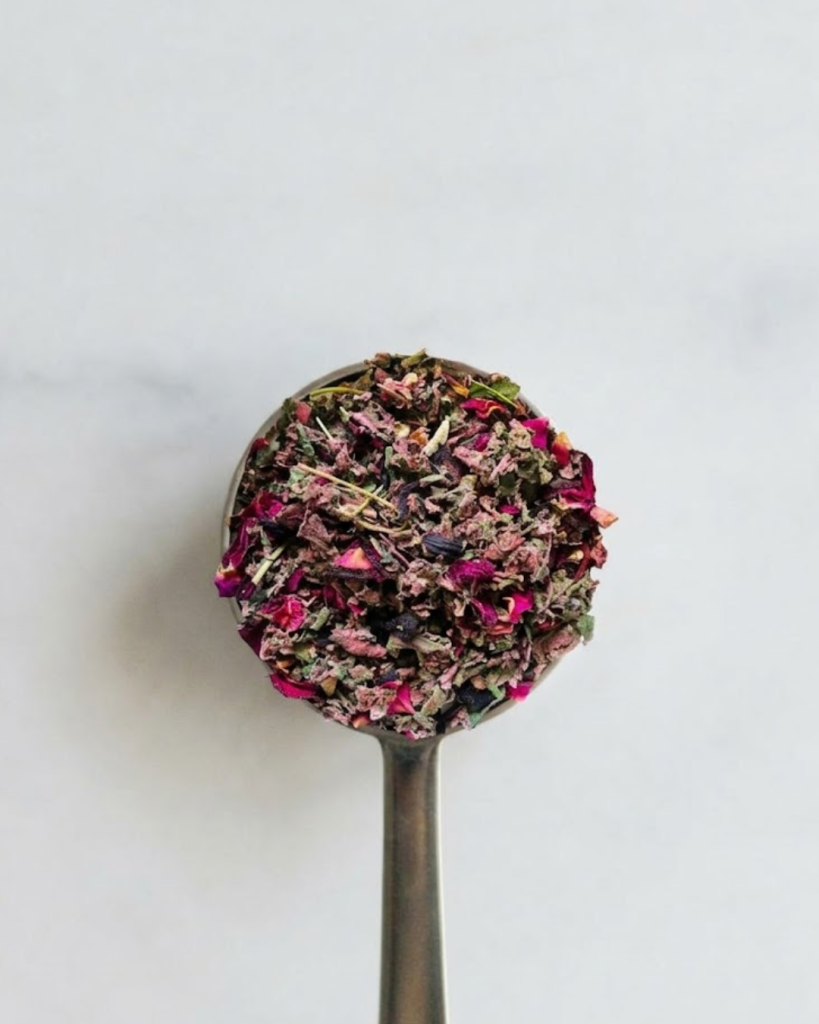
What makes a professional blend like Blend 02 different from a single-ingredient tea is the synergy between the plants. In our blend, raspberry leaf is the foundation, but the supporting cast provides a sensory and nutritional boost.
- Hibiscus and Rose Petals: These add a layer of vitamin C and a beautiful floral note. Vitamin C is essential because it helps your body absorb the iron found in the raspberry leaves.
- Acai and Goji Berries: These are antioxidant powerhouses. They help fight oxidative stress and support the immune system, making the tea a great choice for general longevity.
- Hawthorn Berry: Traditionally used to support heart health, it adds a subtle layer of cardiovascular support to the blend.
- Mandarin Peel: This provides a hit of bioflavonoids and a bright, uplifting scent that can help clear “brain fog” and boost the mood.
Is It Good for Your Digestion and Immunity?
Even if you are not focused on reproductive health, raspberry leaf tea is a fantastic general wellness tonic for everyone. The anti-inflammatory properties of the tannins can help soothe a restless stomach or mild digestive upset. It acts as a gentle “toner” for the digestive tract.
It is also an immune support powerhouse. Because it is rich in vitamins C and E, it is a great caffeine-free option to keep your immune system resilient during the change of seasons. The combination of potassium and magnesium supports healthy heart function and helps manage the body’s stress response. It is a dense, nutritional drink that serves the whole body, providing a sense of grounded energy without the crash associated with coffee or sugary drinks.
How Do You Brew It for the Best Results?
If you want to get the most out of these high-quality ingredients, you cannot brew this like a standard grocery store tea bag. You need to extract those stubborn minerals and the deep flavours of the berries.
- Should the water be boiling? Yes. Use water that has reached a full boil to effectively break down the dried berries and the fibrous raspberry leaves.
- How much tea should you use? We recommend one to two teaspoons of loose leaf tea per cup. This ensures you get a nutrient-dense infusion.
- How long should it steep? This is the most important part. Cover your mug to keep the steam and volatile oils inside. Let it steep for at least 10 to 15 minutes. You will notice the color deepen significantly as the berries and rose petals release their goodness.
- Can you drink it cold? Absolutely. This blend makes an incredible iced tea. Brew it hot and strong, then pour it over ice with a slice of fresh orange to highlight the citrus notes of the mandarin peel.

Why Is Quality So Important for Herbal Blends?
When it comes to functional herbs, the source is everything. Many mass-market tea brands use “tea dust” or “fannings,” which are the leftover scraps from tea production. These small particles have a high surface area and lose their essential oils and potency very quickly.
We do not use “natural flavours” or artificial scents to mask poor quality ingredients. What you smell and taste is the actual plant material. We treat our herbs with respect so that they can do their job effectively when they reach your cup.
Ready to Experience the Alchemix Difference?
Whether you are looking to support your monthly cycle, nourish your body after a big life event, or simply want to swap your afternoon coffee for a nutrient-dense tonic, raspberry leaf tea is a timeless ally. It is more than just a beverage; it is a ritual of self-care that connects you to centuries of herbal wisdom.
Ready to see what the “Mother’s Little Helper” can do for you? Our Blend 02 is a sophisticated, high-potency version of this classic remedy, designed for those who want their tea to provide both comfort and results.
Related Articles





-
Blend No.02 - Rose, Raspberry Leaf, Acai, Goji
$ 15.99 – $ 42.00 -
Matcha Whisk (Chasen)
$ 25.00 -
English Breakfast Tea
$ 17.50 – $ 47.00 -
Reusable Tea Bags (Set of 5)
$ 15.00 -
Soursop Tea
$ 19.00 – $ 52.00
 We do loose leaves that you can taste and non of that dusty stuff in a bag.