
Soursop Leaves: The Ultimate Guide to the History, Nutrients, and Traditional Uses of Graviola Tea
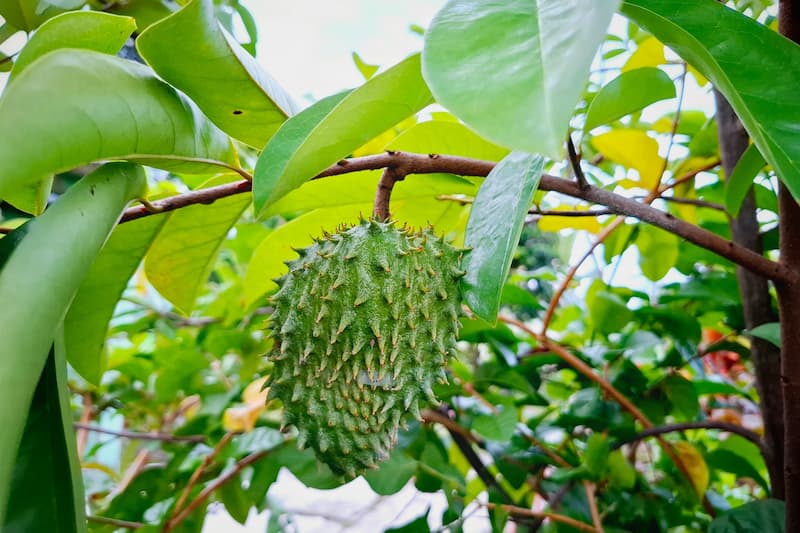
The Soursop leaf (scientific name: Annona muricata) has transitioned from a staple of tropical rainforest medicine to a subject of intense modern scientific inquiry. Known globally as Graviola, Guanabana, or Guyabano, these leathery, evergreen leaves are the primary reservoir for the tree’s most potent bioactive compounds.
While the soursop fruit is celebrated for its unique flavour, the leaves are prized for their complex chemical matrix. This compendium serves as the definitive resource for understanding the history, phytochemistry, and traditional application of soursop leaf infusions.
1. Botanical Classification and Taxonomy
Understanding the soursop tree begins with its place in the botanical world. The Annona muricata belongs to the Annonaceae family, often referred to as the ‘custard apple’ family.
Morphological Characteristics
- The Tree: A slender, low-branching evergreen that thrives in tropical climates with high humidity. It is highly sensitive to frost, which typically limits its natural habitat to the equatorial belt.
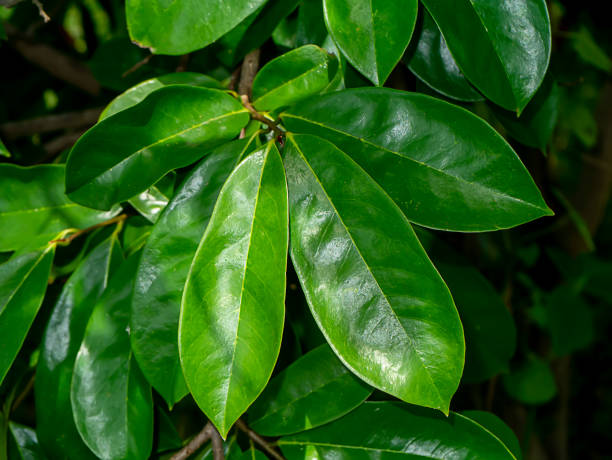
- The Foliage: Soursop leaves are coriaceous (leathery in texture), glossy, and dark green on the top with a paler underside. They typically measure between 8 and 16 centimetres in length.
- Aromatic Properties: When crushed or cut, the leaves release a distinct, pungent, and earthy aroma—a byproduct of the essential oils and alkaloids stored within the leaf’s vacuole.
2. The Phytochemical Matrix: Understanding Acetogenins
To truly appreciate the value of the soursop leaf, one must look past the folklore and into the precise biological mechanisms at play. By examining the plant at a molecular level, we can understand how these compounds interact with human physiology, moving beyond generalisations to explore the specific phytochemistry that defines its global reputation.
Annonaceous Acetogenins (AGEs)
The most significant compounds in soursop leaves are Acetogenins. These are unique long-chain fatty acids found almost exclusively in this plant family.
- The Energy Modulation Theory: Research suggests that acetogenins act as inhibitors of NADH oxidase in the plasma membranes of cells. In laboratory settings, these compounds have shown an ability to modulate energy production within mitochondria. By inhibiting the enzyme complexes responsible for ATP (energy) production, acetogenins are being studied for their ability to target high-energy-demand cells.
- The Leaf vs. The Fruit: While acetogenins are present throughout the plant, the highest concentration—and the most diverse variety (over 40 unique types identified to date)—is found in the mature leaves.
The Alkaloid and Phenolic Profile
Beyond acetogenins, the leaf is a complex chemical factory containing:
- Isoquinoline Alkaloids: Compounds such as asimilobine and nornuciferine, which are researched for their interaction with dopamine and serotonin receptors.
- Flavonoids: Specifically quercetin and kaempferol, which are potent antioxidants that help neutralise oxidative stress and support vascular health.
- Essential Minerals: The leaves act as a ‘bio-accumulator’ for potassium, magnesium, and iron, which are released into the water during the brewing process.
3. Ethnobotanical History: A Global Legacy
The use of soursop leaves is not a modern ‘fad’ but a centuries-old practice documented across multiple continents.
Caribbean and Mesoamerican Heritage
In the West Indies, soursop leaf tea is a cornerstone of ‘bush medicine’. It is traditionally used as a nervine—a substance used to calm the nervous system. In Jamaica, it is common to find elders brewing ‘Guanabana tea’ in the evening to promote a state of relaxation and support healthy sleep cycles.
Southeast Asian Wellness (Jamu)
In Indonesia and the Philippines, soursop leaves (Sirsak/Guyabano) are used in both internal and external applications. The leaves are often brewed to support digestive regularity and immune resilience, while crushed leaves are applied topically as a poultice to soothe skin irritations and reduce the appearance of inflammation.
4. The Advantage of Cut Leaves: Surface Area vs. Oxidation
When purchasing soursop leaves, consumers usually choose between whole leaves, tea bags (fannings), or cut leaves. For a high-potency decoction, cut leaves offer a distinct scientific advantage.
Optimising Extraction
The soursop leaf is leathery and waxy. In a whole-leaf state, the hot water can only interact with the outer cuticle of the leaf, which acts as a barrier. Cut leaves solve this by exposing the internal cellular matrix of the plant.
- Increased Bioavailability: By cutting the leaves, we create more “entry points” for the water to dissolve the acetogenins and alkaloids.
- Superior to Tea Bags: Unlike the “tea dust” found in bags, cut leaves retain their botanical structure. This prevents the rapid oxidation and loss of volatile oils that occur when a leaf is pulverized into a powder.
- Ease of Measurement: Cut leaves allow for precise dosing (e.g., one teaspoon per cup), ensuring a consistent concentration of phytochemicals in every brew.
5. Preparation Science: The Art of the Decoction
Because the leaves are fibrous, they require a specific extraction method. With cut leaves, the process is even more efficient as the “tearing” step is already done for you.
The Decoction Method (Technical Standard)
- Selection: Use 1 to 1.5 teaspoons of cut soursop leaves per 250ml of water.
- The Extraction: Place the cut leaves in cold water and bring to a rolling boil.
- The Simmer: Once boiling, reduce the heat to a low simmer for 15 minutes. Covering the pot is essential here to prevent the volatile essential oils from escaping with the steam.
- Final Result: The water should transform into a vibrant amber or deep reddish-brown colour.
6. Deeper Insight: The Bio-Mechanics of Soursop
To understand why soursop leaves are held in such high regard, we must look at how the body processes these unique compounds.
Bioavailability and Absorption
Phytochemicals like acetogenins are lipophilic, meaning they are fat-soluble. While a water-based decoction is the traditional way to consume soursop, many practitioners suggest drinking the tea alongside a small amount of healthy fat (like a spoonful of coconut oil or after a meal) to assist in the transport of these compounds across the intestinal lining.
Antioxidant Synergies
The flavonoids in soursop leaves don’t work in isolation. They act as “scavengers,” seeking out unstable molecules (free radicals) that cause cellular damage. In the context of a modern, high-stress environment, providing the body with a diverse range of antioxidants helps maintain “Redox Balance,” the internal state where the body can effectively repair itself.
7. Cultural Context: Soursop in the Pacific Islands
For those of us in New Zealand, soursop has a special place in the traditional medicine of our Pacific neighbours. In Samoa, Tonga, and Fiji, the tree is known as Sasa or Saotapu.
Traditional Pacific Uses
In the islands, the leaves are often used in herbal infusions to support mothers after childbirth. The leaves are also used in traditional massage (Fofō) to help soothe muscles. This regional history adds another layer of trust; it isn’t just a “trending” plant, but a long-standing member of the Pacific’s natural pharmacy.
8. Comparative Analysis: Soursop vs. Other Super-Teas
How does Soursop stack up against the more common “health” teas on the market?
| Feature | Soursop (Cut Leaves) | Green Tea (Sencha) | Rooibos |
| Caffeine | Zero | 20-30mg | Zero |
| Key Compound | Acetogenins | EGCG (Catechins) | Aspalathin |
| Extraction | Long Decoction | Short Steep | Steep or Boil |
| Flavour | Earthy/Creamy | Grassy/Bitter | Nutty/Sweet |
Soursop fills a unique niche: it offers heavy-hitting cellular support without the jitters associated with caffeine.
9. Quality Control: Identifying Premium Cut Leaves
When leaves are cut, it can be harder to see the original quality of the plant. Here is what to look for:
The Colour Test
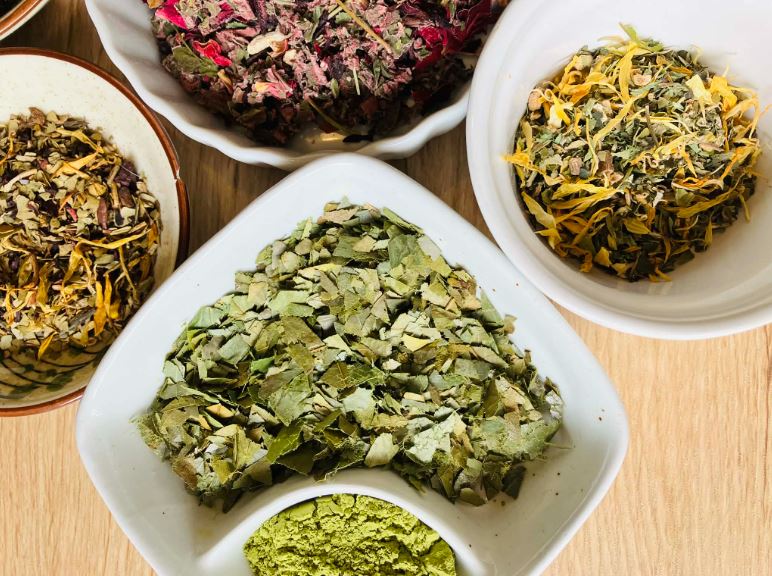
Even when cut, soursop leaves should retain a deep, olive-green hue. If the “cut and sifted” blend looks brown, grey, or black, it indicates that the leaves were either old before they were processed or were dried using high-heat industrial ovens that “cooked” the nutrients away.
Aroma and Dust
Premium cut leaves should have a clean, earthy scent. If you open a bag and it smells like old hay, or if there is an excessive amount of “dust” at the bottom of the bag, the quality has been compromised by improper sifting.
10. Safety, Guidelines, and Precautions
Pillar content must be balanced and responsible. Soursop leaves are potent, and their use should be approached with respect.
The ‘3-1-3’ Protocol
Traditional practitioners often suggest ‘cycling’ the tea to prevent the body from becoming overly accustomed to the compounds:
- 3 Weeks: Regular daily consumption (1–2 cups).
- 1 Week: A ‘washout’ period (no consumption).
- 3 Weeks: Resume cycle.
Specific Contraindications
- Blood Pressure: Soursop may have hypotensive properties. If you are already on medication for blood pressure, consult your GP.
- Pregnancy: Due to the lack of human clinical data, pregnant or breastfeeding women should avoid soursop leaf extracts.
- Neuro-Health: Individuals with Parkinson’s or other movement disorders should avoid soursop due to the presence of annonacin.
11. Frequently Asked Questions (FAQ)
Is soursop tea alkaline? Yes, soursop leaf infusions are considered alkaline-forming, which is why they are often used in “alkaline diets” to help balance the body’s internal pH.
Can I drink it cold? Absolutely. Once you have performed the hot decoction to extract the nutrients, the tea can be chilled. It makes a remarkably refreshing iced tea when paired with lime.
Why are cut leaves better than whole leaves? Cut leaves provide more surface area for the water to interact with, leading to a more potent brew in a shorter amount of time. They are also much easier to measure out for a single cup.
12. The Power of the Leaf
Soursop leaves represent a fascinating intersection of ancient tradition and modern science. Whether you are brewing a cup for its relaxing “nervine” properties or its unique antioxidant profile, the Annona muricata leaf offers a depth of wellness that the fruit alone cannot match.
By choosing high-quality cut leaves and following the proper decoction methods, you are ensuring that you are getting the full “tropical powerhouse” experience in every cup. If you’re in NZ and looking for quality local soursop tea, you can grab a bag here.
Related Articles





-
Blend No.02 - Rose, Raspberry Leaf, Acai, Goji
$ 15.99 – $ 42.00 -
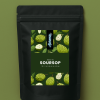
Soursop Tea
$ 19.00 – $ 52.00 -
English Breakfast Tea
$ 17.50 – $ 47.00 -
Blend No.01 - Calendula, Hibiscus, Yerba Mate
$ 15.99 – $ 42.00 -
Reusable Tea Bags (Set of 5)
$ 15.00
 We do loose leaves that you can taste and non of that dusty stuff in a bag.