

Elderflower and peppermint are two herbal teas frequently mentioned for digestive comfort, yet they work in completely different ways. One offers warmth, upper-gut ease, and gentle pressure relief. The other is strongly cooling, effective at releasing trapped gas, and known for relaxing cramping or spasmodic tension.
If you’ve ever wondered which one fits your digestive pattern, this guide gives you a clean, physiology-based comparison. No vague claims. No generic advice. Just a clear explanation of how elderflower and peppermint behave inside the body and which tea supports which type of discomfort.
Why These Two Teas Come Up in Digestion Conversations
Both herbs appear in most beginner or home-remedy lists for digestion. They’re caffeine-free, widely available, and safe for most adults. That creates the impression that they do the same job.
In reality, peppermint and elderflower sit on opposite sides of the digestive spectrum. Peppermint is more potent, cooling, and mechanically active within the digestive tract. Elderflower is warm, soft, and steady. Their benefits overlap only slightly, and understanding their differences helps you avoid choosing the wrong tea for the wrong discomfort.
The Digestive Difference in One Line
Here’s the most useful way to separate them:
- Elderflower supports upper-gut comfort and light digestive pressure.
- Peppermint supports lower-gut movement and spasmodic tension.
Once you frame digestion as “upper vs lower”, the roles of both teas immediately make more sense.
A Quick, Useful Primer on Digestion
To understand why the herbs behave differently, it helps to know where your discomfort is coming from.
Digestion involves several regions:
- The stomach (upper gut): fullness beneath the ribs, pressure, mild indigestion, heaviness after eating.
- The small intestine: gentle movement of food, early bloating.
- The large intestine: trapped gas, lower-gut discomfort, cramping or spasms, urgency.
Most people use the word “bloating” for all of these sensations, but the body treats them differently. Herbs do as well.
- Upper-gut discomfort responds better to warmth and gentle relaxation.
- Lower-gut discomfort responds better to cooling herbs that relax smooth muscle.
This is where elderflower and peppermint diverge.
How Elderflower Supports Digestion
Elderflower isn’t the first herb people think of for digestion, but it has a very specific role. It’s a warm herb. Not spicy warm, but softly warming in a way that eases upper-gut pressure and mild inflammation. If you’ve ever felt a tightness just under the ribs after eating, or a sense of pressure that sits high in the torso, elderflower is well-suited to that pattern.
Its warmth helps the body release subtle tension in the upper digestive region. This can assist with discomfort caused by humidity, food that feels “heavy”, or meals that slow you down more than expected. Elderflower also supports fluid balance, which matters more than most people realise. Fluid retention around the abdomen can make digestion feel sluggish even when the stomach isn’t technically full.
Elderflower’s effect is gentle, making it a suitable choice for people who want support without intensity. If peppermint feels too strong or stimulatory to your digestive system, elderflower provides a calmer, more comfortable option.
How Peppermint Supports Digestion
Peppermint is one of the most widely used herbs for digestion worldwide, and for good reason. Its active compounds relax the smooth muscles of the digestive tract. This means peppermint directly reduces spasming, cramping, and tightness in the lower gut. It’s particularly helpful for people who struggle with trapped gas, lower-abdominal bloating, or discomfort that moves rather than sits in one place.
Peppermint also has a cooling effect that helps settle queasiness or heat-related digestive irritation. People often choose it after rich meals or when their stomach feels overstimulated. The cooling sensation signals the nervous system to settle, which is why peppermint is linked to relief from stress-related digestive tension as well.
Because it’s more potent, peppermint provides quicker, clearer feedback from the body. If your gut issues are driven by movement, cramping, or gas, peppermint is usually the correct choice.
How Each Tea Feels Inside the Digestive System
This is one of the clearest indicators of which tea your body prefers.
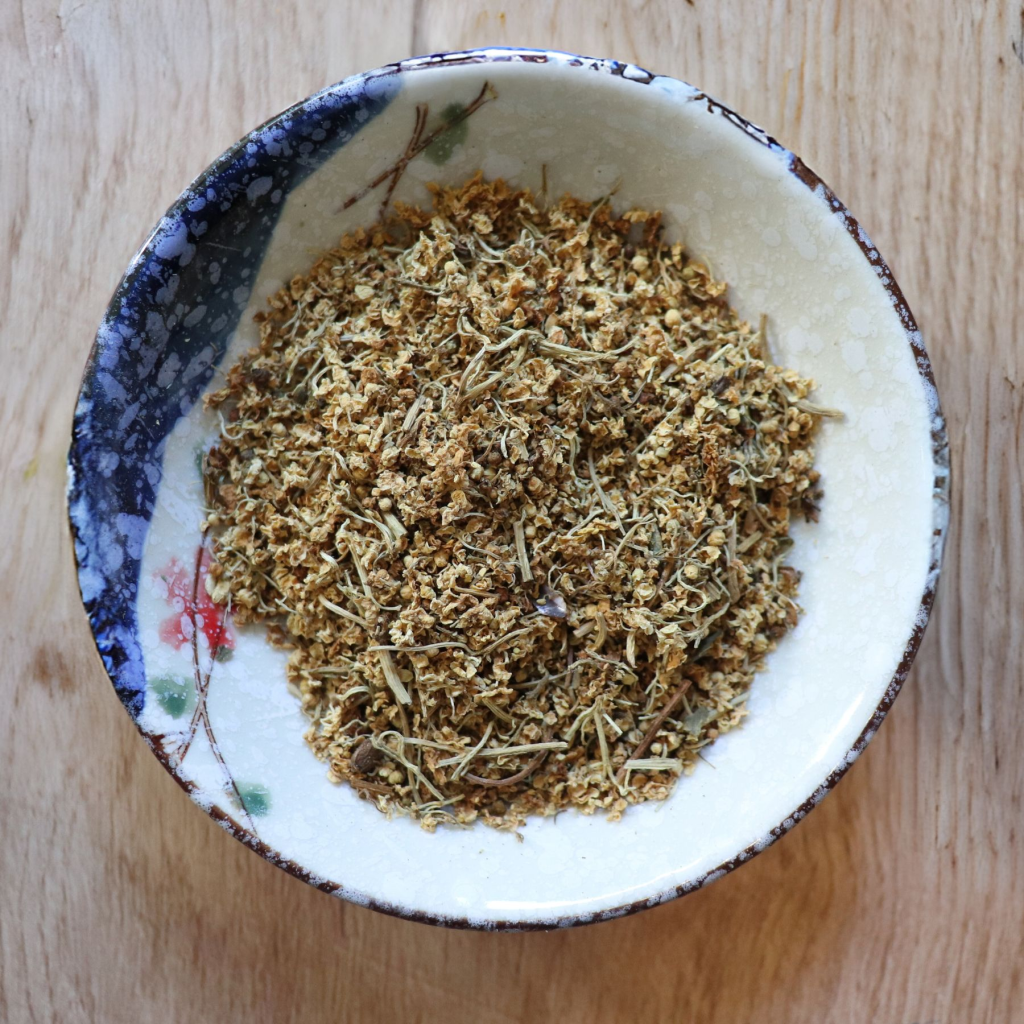
Elderflower feels:
light, warm, easing, supportive, gently de-pressurising, upper-body focused
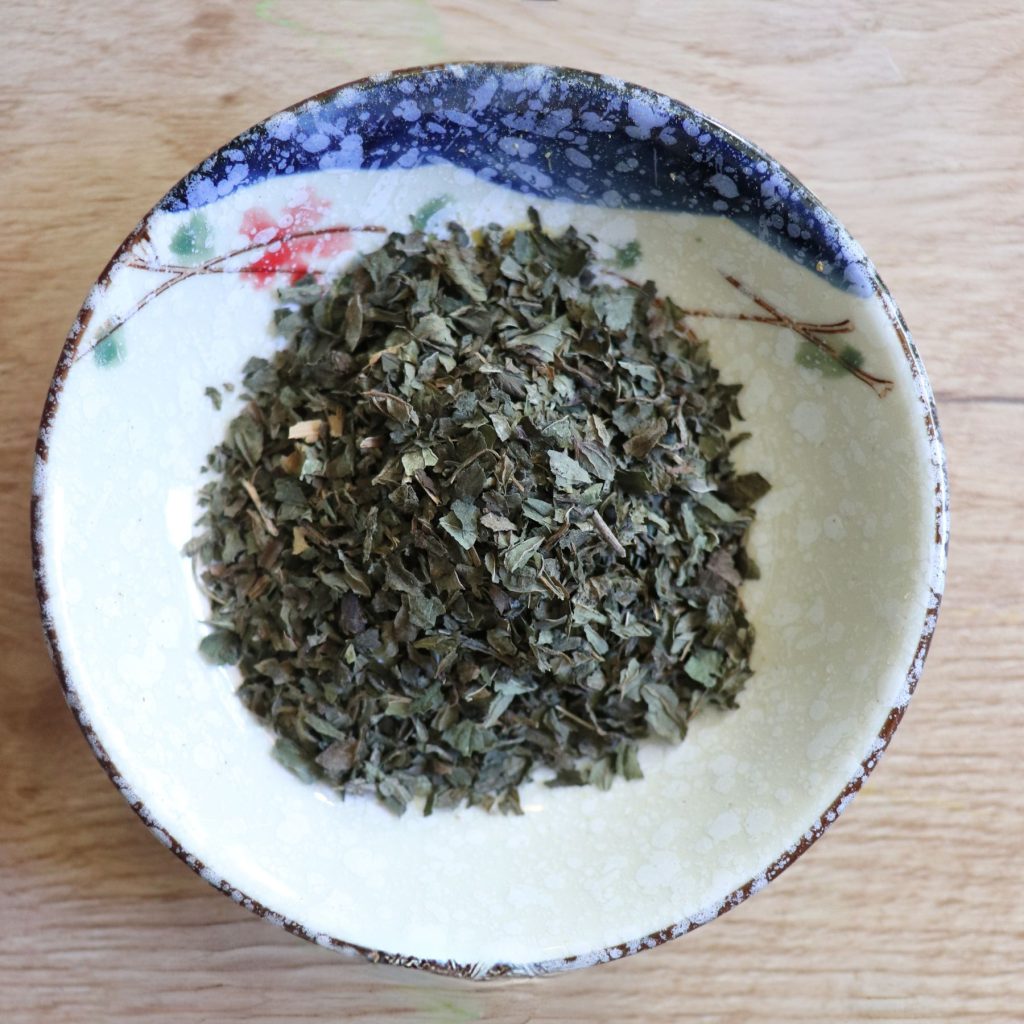
Peppermint feels:
cooling, clearing, movement-supportive, tension-releasing, lower-gut focused
Many people discover that the sensation alone tells them everything they need to know.
Digestive Triggers: Matching Patterns to the Right Tea
Instead of focusing on symptoms alone, it’s more accurate to look at triggers.
Elderflower suits:
- the heavy, slow feeling that sits beneath the ribs
- bloating that feels related to humidity or fluid retention
- discomfort from eating too quickly
- mild inflammatory sensitivity
- fullness that doesn’t move or shift
- hormonal bloating that feels soft rather than sharp
Peppermint suits:
- trapped gas that needs release
- cramping that comes and goes
- lower-abdominal tightness
- stress-related digestive tension
- queasiness or stomach irritation
- discomfort after very rich or oily meals
This trigger-based matching tends to give the most consistent results.
Taste, Temperature, and Meal Pairing
The way you drink each tea makes a difference.
Elderflower
Works best warm or hot. Supports digestion when used as a gentle post-meal tea, especially after foods containing dairy, sugar, or anything that causes a sense of abdominal heaviness. Its floral flavour profile is mild enough to pair with most meals.
Peppermint
Works warm for spasms, cool for nausea. Can be drunk before or after meals depending on the discomfort. Its intensity suits strong flavours or heavier meals more than delicate dishes.
Temperature changes digestive behaviour, especially with peppermint. Warm peppermint relaxes tension. Cool peppermint calms irritation.
Which Tea Fits Your Eating Habits
This is a fresh way to look at elderflower vs peppermint: your eating style.
Elderflower fits people who:
- eat quickly or irregularly
- gravitate toward fresh or light meals
- experience uncomfortable fullness from even small amounts of food
- find their digestion varies with humidity
- feel better with warm drinks than cold ones
Peppermint fits people who:
- eat heavier meals or higher-fat foods
- experience lower-gut discomfort after stress
- struggle with wind or gas regularly
- need movement rather than warmth
- feel more settled after cooling flavours
Choosing based on habits avoids a lot of trial and error.
Elderflower vs Peppermint Through the Day
Digestive comfort changes over a 24-hour cycle. Matching tea timing helps.
- Morning: elderflower is gentler on an empty or slow stomach.
- Midday: peppermint handles meal-related discomfort effectively.
- Afternoon: use either, depending on whether you need warmth or movement.
- Evening: elderflower supports digestion without overly stimulating the gut.
- Night: peppermint works if spasmodic tension keeps you uncomfortable before bed.
This is a behaviour-based timing structure that avoids overusing either tea.
Choosing High-Quality Elderflower and Peppermint
Good quality makes a noticeable difference, especially for digestion.
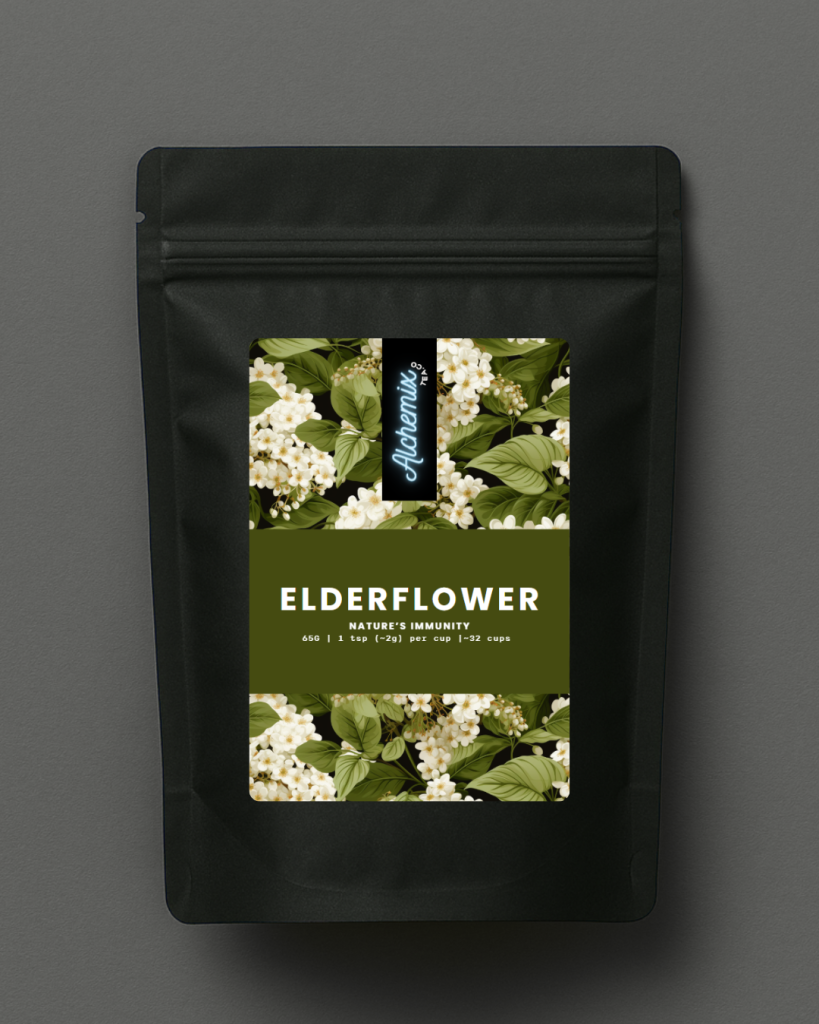
Elderflower quality
- whole, intact blossoms
- pale yellow or cream
- strong floral aroma
- no dusty or dull appearance
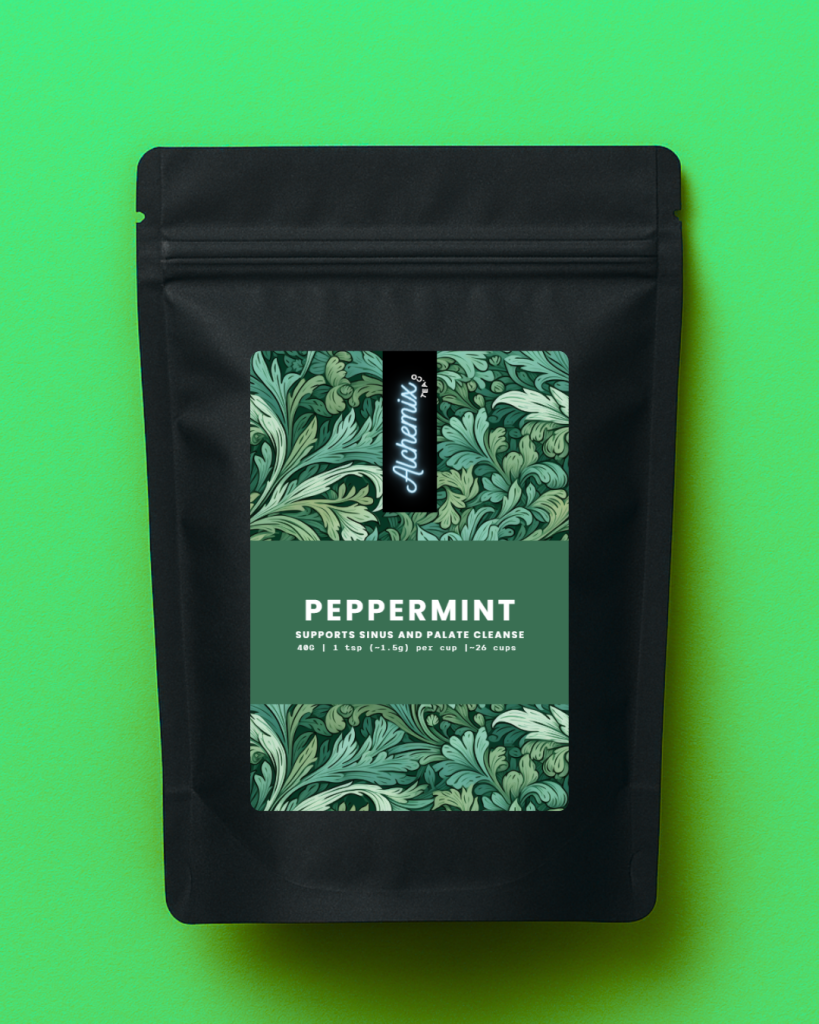
Peppermint quality
- bright green, well-cut leaves
- strong, clean mint aroma
- no signs of browning or staleness
- a fresh, cooling scent without bitterness
High-quality botanicals brew more consistently and create a more reliable digestive response.
Final Guidance: Match Your Tea to Your Digestive Pattern
Elderflower and peppermint both support digestion, but they target different regions and different types of discomfort. Elderflower offers warmth, upper-gut ease, and gentle pressure release. Peppermint offers cooling relief, lower-gut relaxation, and movement for trapped gas.
The best choice depends on where the discomfort sits and the behaviour that triggers it. When you match the tea to the pattern rather than guessing based on reputation, the results are usually immediate and clear.
Related Articles




-

French Earl Grey
$ 19.00 – $ 49.00 -

Matcha Bowl
$ 35.00 -
Chasen Stand
$ 17.00 -

Matcha Whisk (Chasen)
$ 25.00
 We do loose leaves that you can taste and non of that dusty stuff in a bag.