
Elderflower Tea Benefits: What It’s Good For, According to Research
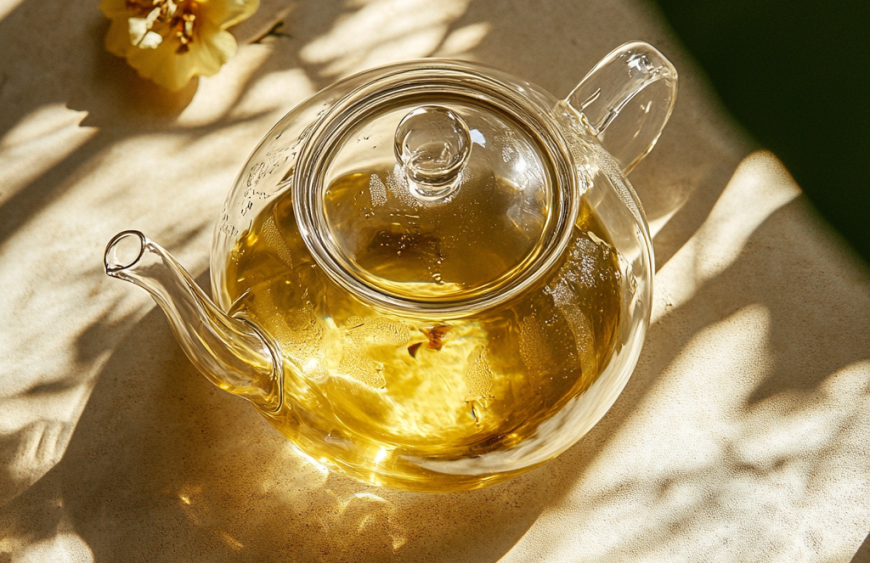
Elderflower tea has been part of traditional European herbal medicine for centuries, often used to ease cold symptoms and support overall wellness. Today, modern analysis is beginning to explain why it remains so trusted. Elderflower contains over 30 different flavonoids and phenolic compounds, which are linked to antioxidant, anti-inflammatory, and immune-supporting effects.
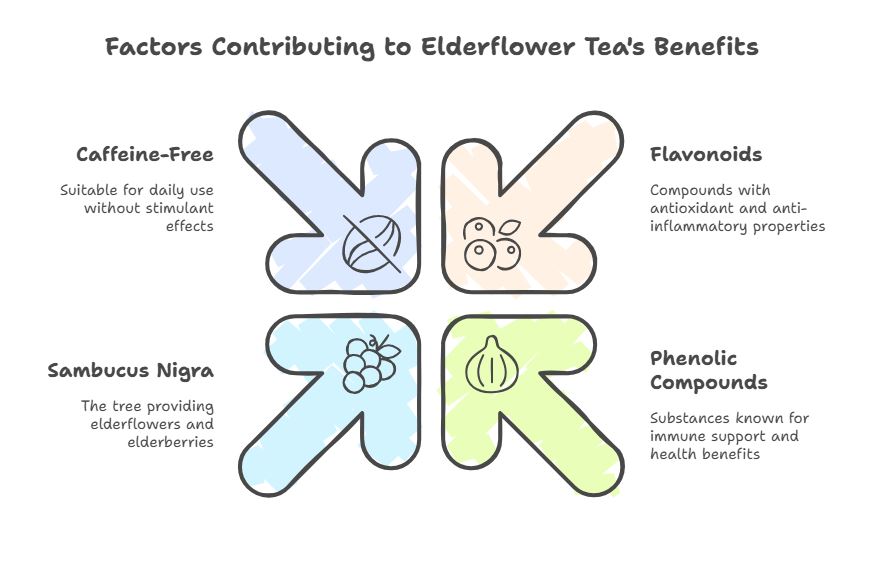
The flowers come from the Sambucus nigra tree, a plant long valued for both its blossoms and berries. While elderberries often take the spotlight in immune supplements, elderflower tea offers a lighter, floral way to support the same system. It is caffeine free, easy to brew, and suitable for daily use.
What Is Elderflower Tea?
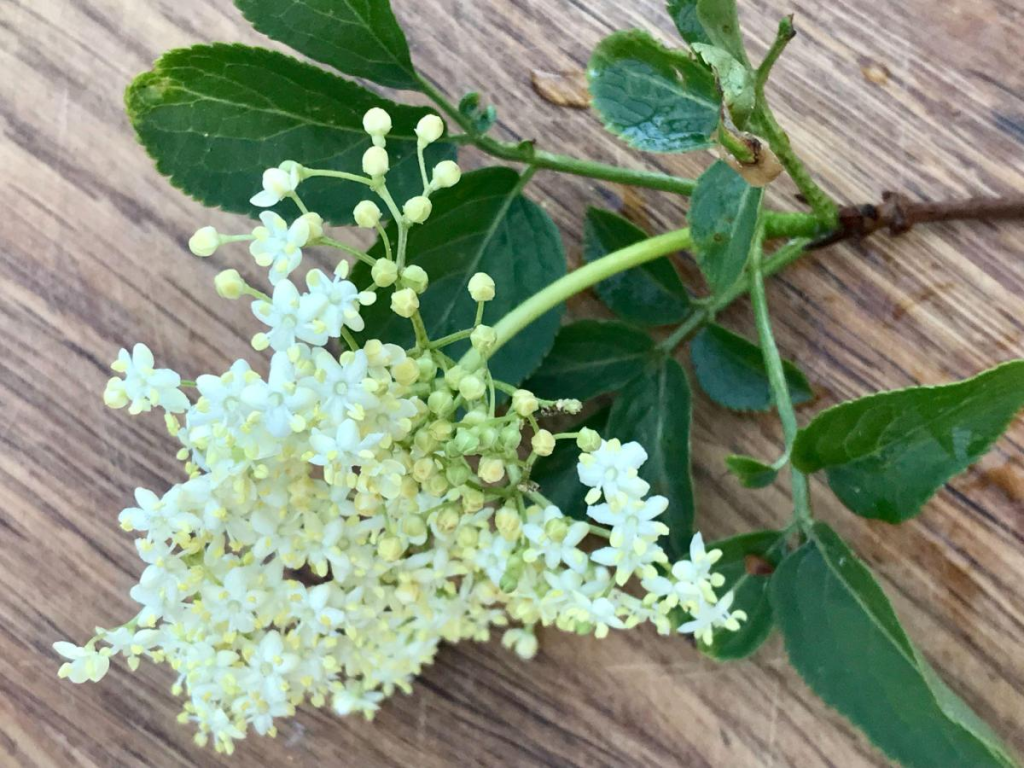
Elderflower tea comes from the creamy white blossoms of the Sambucus nigra tree, often called the European elder. These delicate clusters bloom for only a few short weeks in late spring, and timing matters. Pick them too early and the flavour is weak; too late and they start to smell a little like cat pee. The sweet spot is when the petals are fully open, still pale, and fragrant with a honey-like aroma.
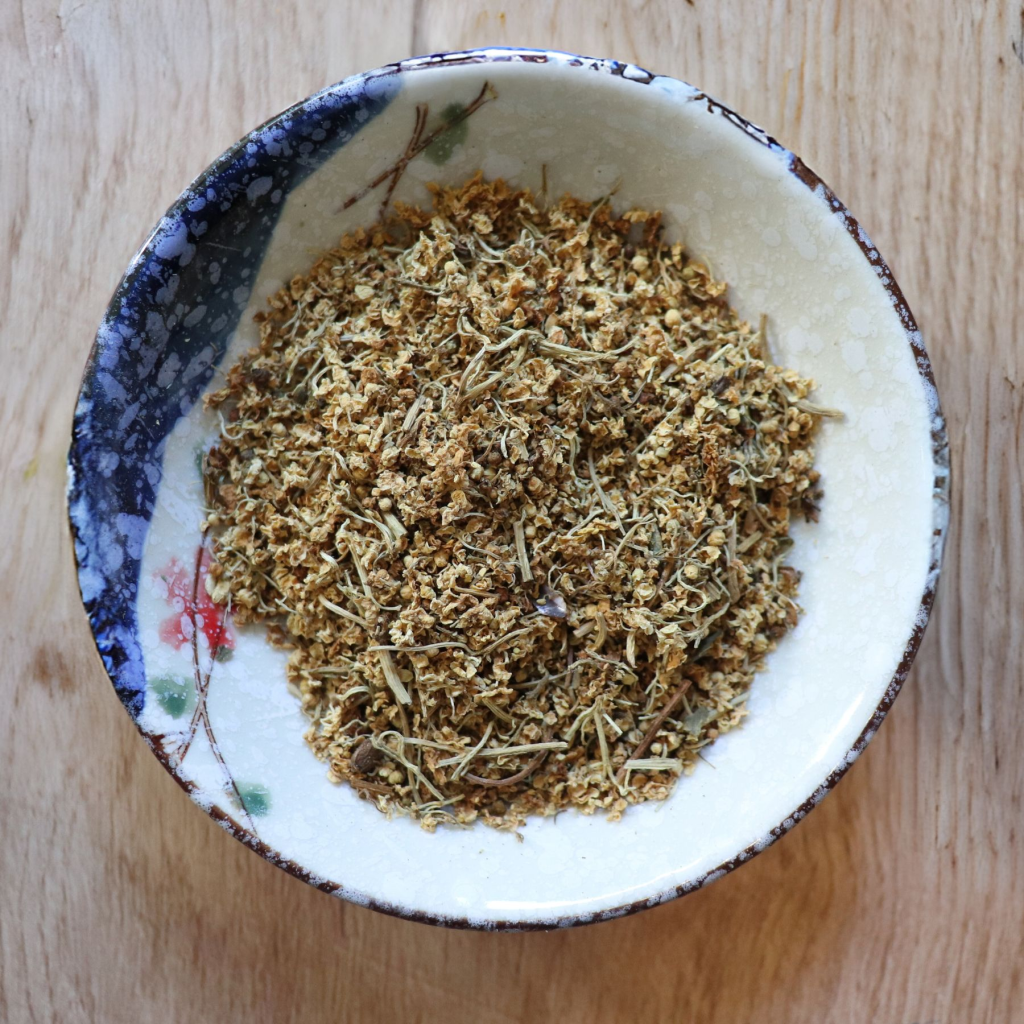
Once harvested, the flowers are gently shaken to remove insects, then air-dried or dehydrated at low heat to preserve their volatile oils and phenolic compounds, which give elderflower its distinct floral notes and mild therapeutic qualities. When dried correctly, the blossoms hold their pale yellow hue and a subtle scent that hints at pear, lychee, and hay.
It’s easy to confuse elderflower with elderberry since both come from the same plant. The difference lies in timing. Elderflower is the bloom, while elderberry forms later after pollination. Elderberries are rich in dark pigments and studied for immune support, while elderflower is lighter, aromatic, and known for its gentle, soothing nature. The two are sometimes blended in herbal remedies, but they offer distinct profiles and benefits.
Elderflower tea is naturally caffeine free, making it suitable for evening use or as part of a daily herbal rotation. The taste is soft and floral, slightly sweet and slightly grassy, and pairs beautifully with lemon, mint, or honey.
Key Elderflower Tea Benefits (Backed by Studies)
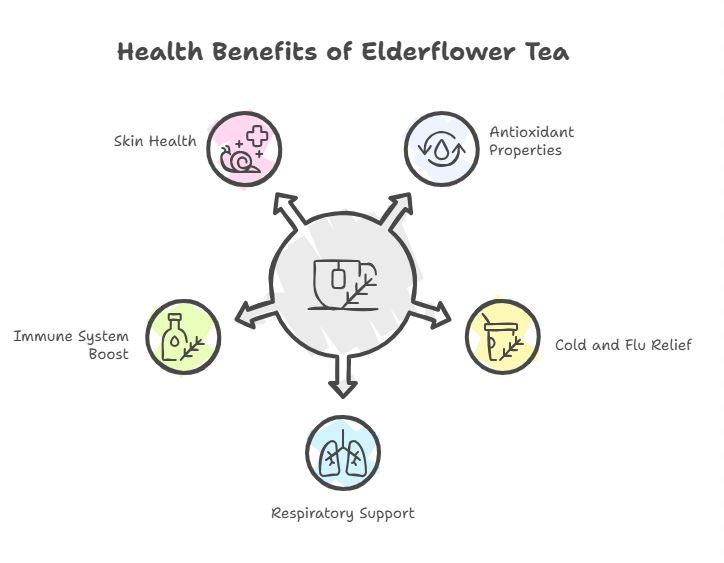
1. Supports the Immune System
Elderflower contains natural compounds such as flavonoids and phenolic acids, both of which help the body manage oxidative stress. These are the same groups of antioxidants found in elderberries, though the flowers carry a lighter and more aromatic profile.
What makes elderflower interesting is how it interacts with the immune system on two levels:
- Antiviral potential: Extracts have shown mild activity against certain cold viruses in lab studies.
- Inflammation balance: The antioxidants may help moderate low-grade inflammation, allowing the immune system to function more efficiently instead of staying in overdrive.
While it is not a cure for illness, elderflower has long been used as a gentle herb that supports resilience when taken consistently through colder months.
2. May Ease Cold and Flu Symptoms
In European folk medicine, elderflower was a staple in “sweat teas” used to reduce fever and clear congestion. It is often blended with yarrow and peppermint, a trio known for their complementary effects.
To get the most out of it:
- Drink it hot at the first sign of a cold.
- Combine with honey and lemon to soothe the throat.
- Sip slowly to encourage gentle sweating, which can help regulate body temperature.
Some small clinical observations suggest that elderflower blends may help shorten the duration or reduce the severity of cold symptoms, likely due to their combined antiviral and anti-inflammatory activity.
3. Natural Anti-Inflammatory and Antioxidant Effects
The antioxidants in elderflower, particularly quercetin and rutin, act as scavengers for free radicals, which are unstable molecules that contribute to cell damage. This makes elderflower tea a quiet ally for long-term wellbeing rather than an immediate fix.
If you tend to experience puffiness, mild joint stiffness, or fatigue after processed meals, adding an antioxidant-rich tea like elderflower to your routine can be a gentle way to bring balance.
Try this:
- Brew it with green tea for an antioxidant boost.
- Add dried rose petals or lemon balm for added calm and complexity.
4. May Support Skin Health and Detoxification
Elderflower’s antioxidants do not just work internally. Historically, herbalists also used elderflower water to tone and calm the skin. Its light floral profile is gentle enough for sensitive types.
The tea’s mild diuretic properties help the body flush excess fluids and metabolic waste, which can indirectly support clearer skin. Combined with good hydration, it can help your complexion look more even and refreshed.
Beauty tip:
Brew a strong cup, let it cool, and use it as a facial rinse or toner. Store in the fridge and use within two days.
5. Mild Diuretic and Digestive Support
Elderflower tea has a long-standing use as a digestive comforter. It is mild enough to drink daily and pairs well with heavier foods that leave you feeling sluggish.
You can:
- Enjoy a cup after dinner to ease bloating.
- Combine it with lemon balm or fennel for extra digestive relief.
- Keep it unsweetened if you are focusing on gentle detox or hydration support.
Its light diuretic quality promotes better fluid balance without stripping the body of minerals, making it suitable as a summer wellness tea or part of a seasonal cleanse.
Potential Side Effects and Precautions
Elderflower tea is generally considered gentle and safe when made from properly dried blossoms, but not all parts of the elder plant are suitable for use. The raw or unripe parts, including the leaves, stems, and unripe berries, can contain compounds called cyanogenic glycosides. These can release small amounts of cyanide when metabolised, which is why only the dried, fully opened flowers are used for tea. Always avoid using fresh, unprocessed plant material unless you are certain it has been correctly prepared.
A few additional points to keep in mind:
- Allergies: If you are sensitive to pollen or other flowering plants, try a small amount first to check for any reaction.
- Pregnancy and breastfeeding: There is limited safety data available, so it is best to consult a healthcare professional before using elderflower tea regularly during this time.
- Medication interactions: While rare, herbal teas with mild diuretic effects can influence how the body processes certain medications. If you are on prescription drugs, check with your doctor or pharmacist before adding herbal teas to your routine.
As with most herbs, moderation matters. One or two cups a day is plenty for general wellness. When buying elderflower tea, avoid blends with artificial flavouring or sweeteners. A good-quality elderflower tea should have a pale yellow colour and a light floral scent.
How to Brew Elderflower Tea for Best Results
Making elderflower tea is simple, but a few small details can make a big difference in both flavour and benefits.
Step-by-Step Brew Guide
- Measure about 1 to 2 teaspoons of dried elderflowers per cup of hot water.
- Heat the water until it just reaches a boil, then pour it over the flowers.
- Cover and steep for 5 to 10 minutes to preserve the aromatic oils and active compounds.
- Strain through a fine mesh or tea filter, then enjoy it hot or cooled.
If you prefer a lighter floral note, shorten the steep time; for a stronger, more herbal flavour, let it sit closer to the 10-minute mark.
Optional Pairings
Elderflower pairs beautifully with other gentle herbs and natural flavourings:
- Lemon slices or peel for brightness and extra vitamin C.
- Honey for soothing sweetness, especially during cold season.
- Peppermint or lemon balm for a refreshing twist in warmer weather.
These additions complement the tea without overpowering its delicate aroma.
Storage Tips for Dried Elderflowers
- Keep dried elderflowers in an airtight glass jar away from sunlight and moisture.
- Store in a cool, dark place, ideally below 25°C.
- Use within six to twelve months for the best flavour and potency.
If the flowers start to lose their pale yellow colour or scent, they are past their prime. Freshly dried blossoms should smell light, sweet, and a little grassy.
Why Elderflower Tea Deserves a Place in Your Cupboard
Elderflower tea is simple, gentle, and quietly effective. It supports the body when you feel run down, helps ease cold symptoms, and brings a calm, floral warmth that suits any time of day. Its antioxidants support skin and immunity, while its mild diuretic effect keeps digestion and hydration balanced.
You do not need a shelf full of herbal blends to feel the difference. One good elderflower tea can cover most of what you reach for when you want something soothing and restorative.
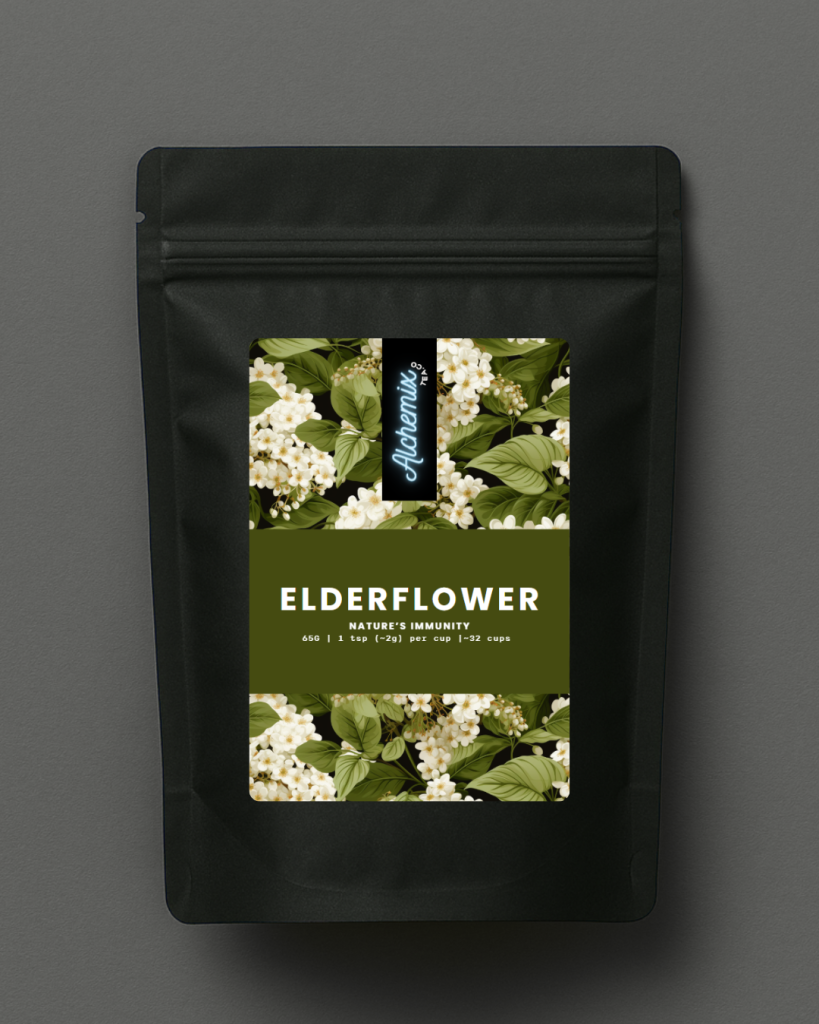
Shop our Elderflower Tea and keep it on hand for the days you need something light, comforting, and good for you.
Related Articles





-
Blend No.03 - Peppermint, Milk Thistle, Nettle
$ 15.99 – $ 42.00 -
Reusable Tea Bags (Set of 5)
$ 15.00 -
Everyday Matcha
$ 19.00 – $ 49.00 -
Eco Brew Bags
$ 5.99 – $ 17.99 -
Fine Mesh Matcha Sieve
$ 12.00
 We do loose leaves that you can taste and non of that dusty stuff in a bag.