
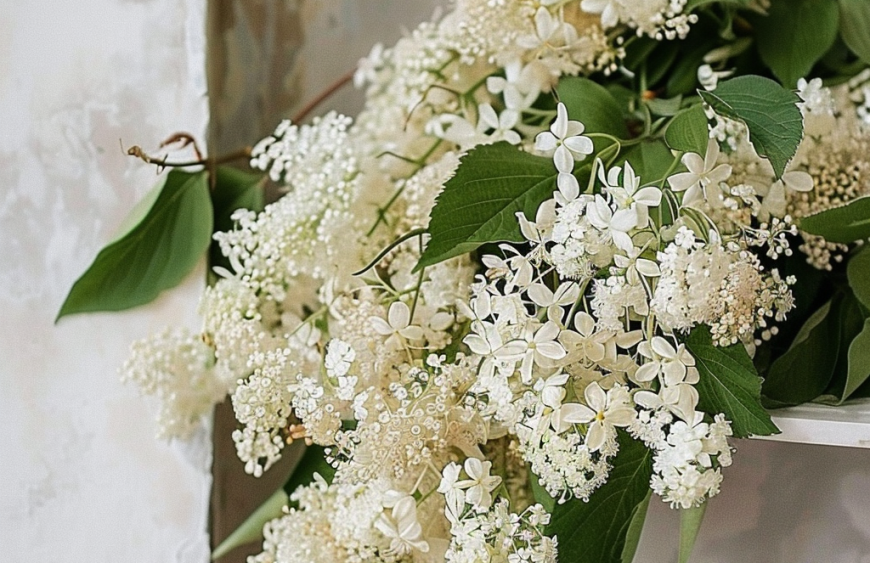
Elderflower tea is naturally caffeine-free, making it ideal for customers or guests who want a soothing drink without the jitters. Its light floral flavour and gentle sweetness work well for home relaxation, spa menus, or wellness retreats.
If you are deciding whether to stock or serve it, you might be asking: Does it offer real health benefits? Is it safe for daily use? This guide gives you clear answers and covers brewing tips.
Does Elderflower Tea Have Caffeine?
Elderflower tea is 100% caffeine-free because it is made from the blossoms of the elder plant (Sambucus nigra), not from the Camellia sinensis plant used for black, green, or white tea. Those true teas naturally contain caffeine, which can cause jitters or sleep disruption for sensitive individuals.
Since elderflower tea is an herbal infusion, it’s safe for most caffeine-sensitive drinkers, including those looking to reduce or eliminate caffeine entirely. This makes it a versatile choice for evening menus, spa relaxation areas, and wellness programs where calm and hydration are the priority.
What Does Elderflower Tea Taste Like?
Elderflower tea has a light, floral flavour with a natural hint of sweetness and a soft, honey-like aroma. It’s gentle on the palate, making it appealing even to those who don’t usually enjoy strong herbal teas.
For added depth or seasonal flair, it pairs well with:
- Fresh lemon slices for a bright, citrus lift
- Mint leaves for a cooling, spa-style twist
- Chamomile for a calming bedtime blend
- Honey to enhance its natural sweetness
Served hot, it’s soothing and aromatic. Served iced, it becomes a refreshing, elegant drink perfect for spa lounges, events, or summer menus.
What Are the Benefits of Elderflower Tea?
Elderflower tea has a long history in traditional medicine for supporting the immune system and easing cold symptoms. Modern research shows that elderflowers contain flavonoids, phenolic acids, and antioxidants, which may help protect cells from oxidative stress and support overall wellness.
Key potential benefits:
- Immune support: Laboratory studies indicate elderflower extracts can have antiviral and antibacterial properties, although human trials are limited.
- Cold and flu relief: Traditionally used to help reduce congestion and support recovery; some small studies suggest elder-based products may shorten the duration of symptoms.
- Hydration: Caffeine-free and water-based, making it a gentle option for daily fluid intake.
- Anti-inflammatory potential: Certain plant compounds in elderflowers have shown anti-inflammatory effects in early research.
While findings are promising, there is not yet enough high-quality clinical evidence to confirm all traditional claims. Elderflower tea should be enjoyed as part of a balanced diet rather than as a substitute for medical treatment.
Are There Any Side Effects or Risks?
Elderflower tea is generally well tolerated, but there are some precautions to consider before regular use.
Possible risks:
- Allergic reactions: People allergic to plants in the honeysuckle family or those sensitive to pollen may experience itching, rash, or swelling.
- Medication interactions: Elderflower may have mild diuretic effects and could interact with water pills, diabetes medication, or drugs that lower blood pressure.
- Pregnancy and breastfeeding: There is not enough reliable safety data for use during pregnancy or while breastfeeding, so most health professionals recommend avoiding it during these times.
Anyone with chronic health conditions or those taking prescription medications should check with a healthcare provider before adding elderflower tea to their routine.
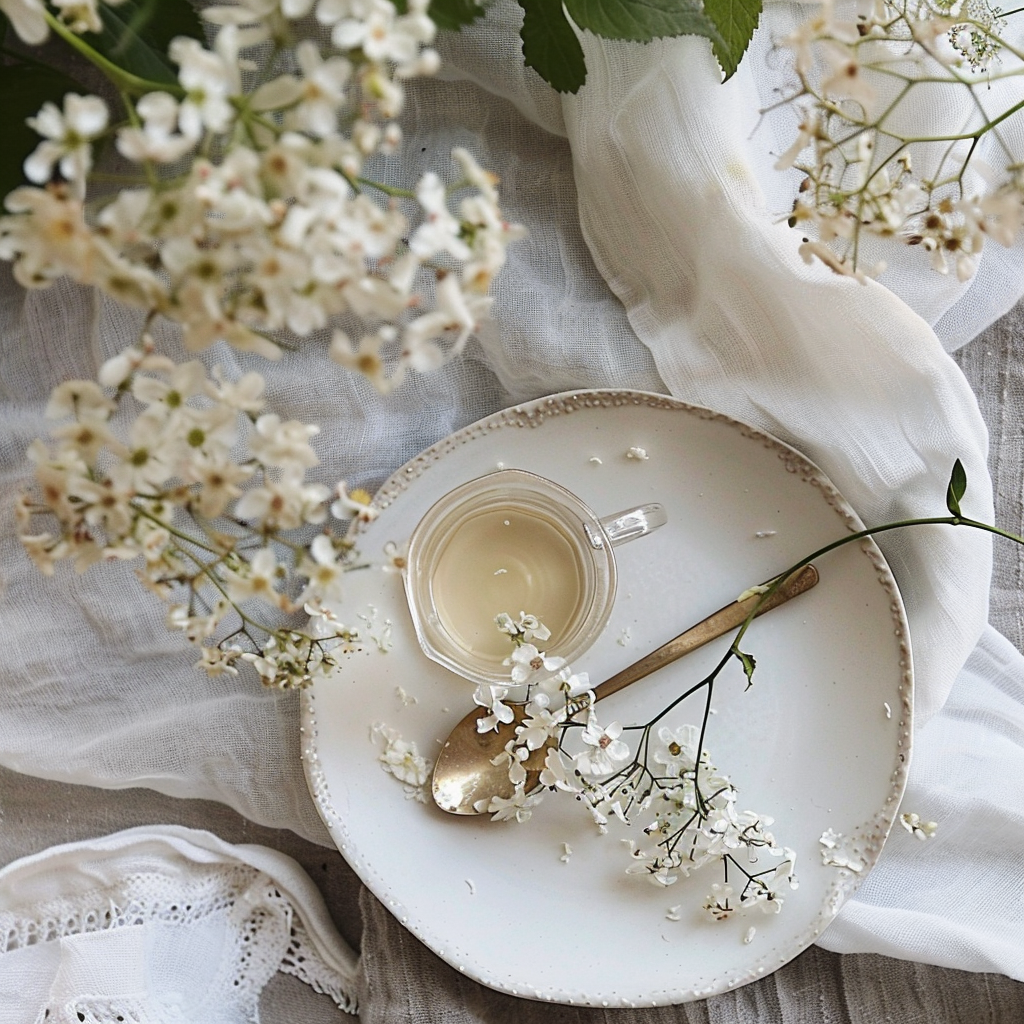
How to Brew Elderflower Tea
1. Choose your form:
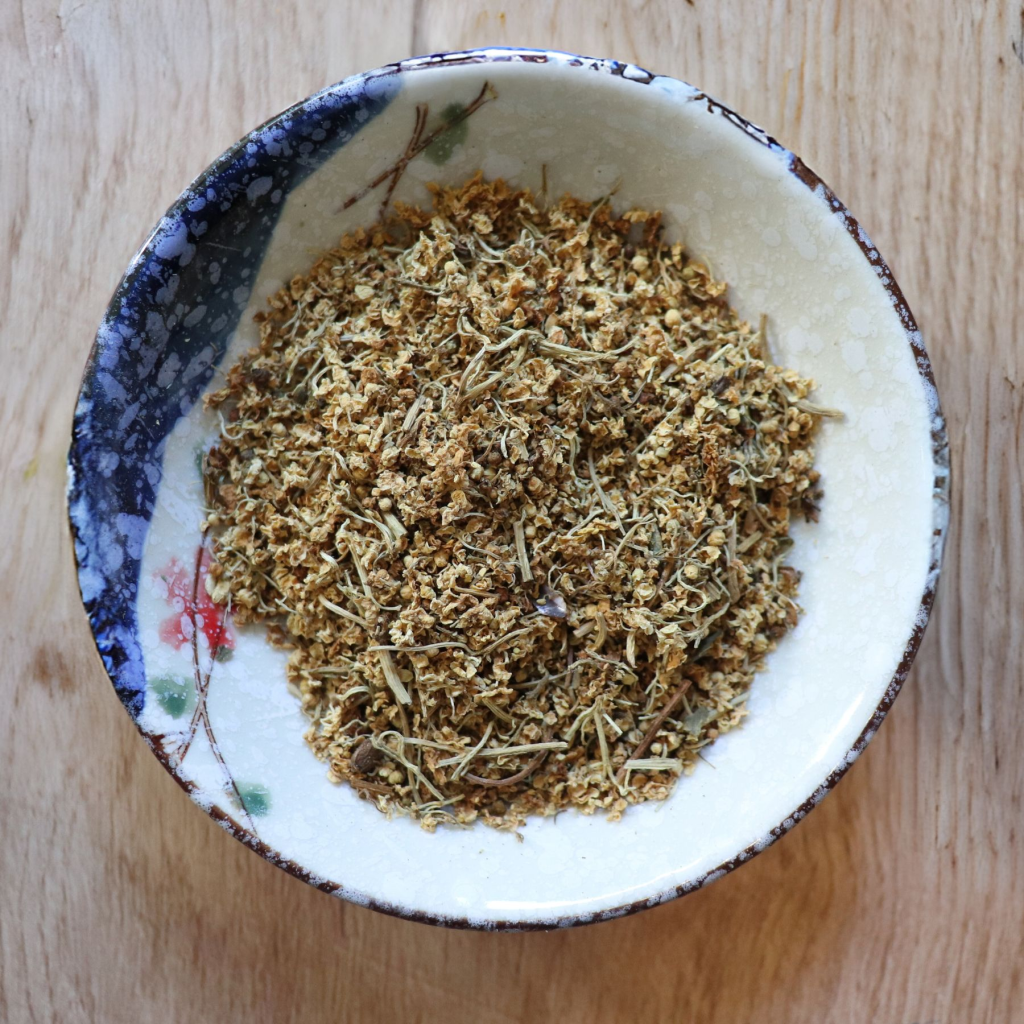
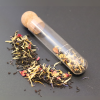
- Loose dried elderflowers offer the freshest aroma and flavour.
- Tea bags are convenient and reduce preparation time.
2. Standard brewing method (hot):
- Use 1–2 teaspoons of dried elderflowers (or 1 tea bag) per 250 ml (1 cup) of water.
- Heat water to just below boiling (90–95°C / 194–203°F).
- Steep for 5–10 minutes depending on desired strength.
- Strain and serve plain or with honey, lemon, or mint.
3. Iced elderflower tea:
- Brew as above, using double the amount of elderflower for a stronger concentrate.
- Let it cool, then pour over ice.
- Garnish with citrus slices or fresh herbs for presentation.
For best results, store dried elderflowers in an airtight container away from light and moisture to preserve flavour.
Can You Drink Elderflower Tea Every Day?
For most healthy adults, drinking elderflower tea daily is considered safe when consumed in moderate amounts, such as 1–3 cups per day. Its caffeine-free nature makes it suitable for both daytime and evening use without affecting sleep.
However, moderation is still recommended. Large amounts may increase the risk of mild digestive upset or interact with certain medications, particularly diuretics or drugs that affect blood sugar.
If you are pregnant, breastfeeding, or managing a chronic health condition, it is best to consult a healthcare provider before making elderflower tea a daily habit.
Elderflower Tea vs. Elderberry Tea
Plant part used:
- Elderflower tea is made from the blossoms of the elder plant (Sambucus nigra).
- Elderberry tea is made from the berries of the same plant, usually dried or sometimes fresh.
Taste:
- Elderflower tea has a light, floral, and slightly sweet flavour.
- Elderberry tea has a richer, fruity, and tart taste.
Benefits:
- Elderflower tea is valued for hydration, gentle antioxidant support, and traditional uses in easing cold symptoms.
- Elderberry tea is higher in anthocyanins and is often studied for its potential to reduce the duration of colds and flu.
Both are caffeine-free and can be enjoyed separately or blended, depending on whether you prefer a floral refreshment or a fruity immune-supporting brew.
Experience the calming, caffeine-free floral blend of our Organic Elderflower Tea. Perfect for quiet mornings, spa menus, or a soothing evening ritual.
9. Common FAQs (Quick Answers Section)
Is elderflower tea safe for kids?
Traditional herbal use suggests it is generally safe in small amounts for children. Always check with a healthcare provider before giving it to young children.
Does it help with colds?
Elderflower has been used traditionally to ease congestion, fever, and cold symptoms. Lab studies suggest mild antiviral and anti-inflammatory effects, but human trials are limited. It should be used alongside, not instead of, standard medical care.
Is it gluten-free?
Yes. Pure elderflower tea contains no gluten, though cross-contamination can occur during processing.
Can it be mixed with other teas?
Yes. Elderflower blends well with both caffeinated teas like green or black tea and caffeine-free herbal teas such as chamomile or mint.
Related Articles




-
Fine Mesh Matcha Sieve
$ 12.00 -
Chasen Stand
$ 17.00 -
French Earl Grey
$ 19.00 – $ 49.00 -
Blend No.02 - Rose, Raspberry Leaf, Acai, Goji
$ 15.99 – $ 42.00
 We do loose leaves that you can taste and non of that dusty stuff in a bag.