
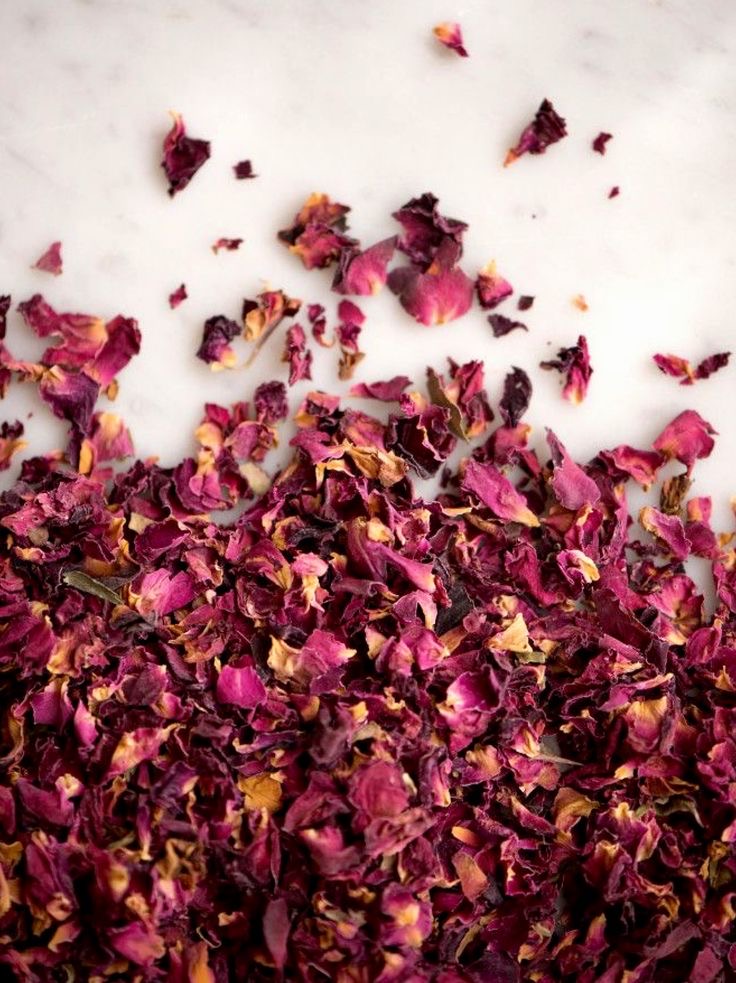
Hibiscus tea—derived from the dried calyces of Hibiscus sabdariffa—is frequently misunderstood as a simple floral infusion. From a functional perspective, however, hibiscus tea acts as a complex botanical ingredient. When sourced correctly, this hibiscus tea offers a dense concentration of polyphenols and organic acids that serve as a practical addition to any daily routine focused on physiological support and cognitive performance.
Metabolic and Cardiovascular Utility of Hibiscus Tea
1. Blood Pressure Support
Clinical observations, including data published in the Journal of Nutrition, suggest that regular consumption of hibiscus tea may assist in the management of both systolic and diastolic blood pressure. It functions as a mild, natural vasodilator, supporting vascular health without the intensity of pharmaceutical interventions.
2. Lipid Profile Management
Multiple meta-analyses of randomised controlled trials, as noted by the American Botanical Council, indicate that hibiscus tea extract can lead to modest improvements in lipid profiles, including reductions in LDL cholesterol. By incorporating high-polyphenol botanicals, you provide your body with the compounds necessary to support cardiovascular markers over the long term.
3. Metabolic Rate Assistance
Hibiscus tea contains specific organic acids that may influence enzymes involved in carbohydrate metabolism. Research has demonstrated an inhibitory effect on enzymes such as α-Amylase and α-Glucosidase, which are critical for carbohydrate metabolism.
4. Blood Sugar Stability
The same inhibitory effects on carbohydrate-metabolisng enzymes suggest that hibiscus tea extract can support the body in maintaining steady blood sugar levels, assisting in the management of postprandial glucose responses.

Antioxidant and Cellular Function
5. Anthocyanin Density
The deep ruby colour of hibiscus tea is the result of anthocyanins—powerful pigments that serve as potent antioxidants. Studies have shown these compounds provide significant antioxidant protection, including mitigating oxidative stress in tissue models.
6. Liver Enzyme Protection
Preclinical studies, specifically using animal models, have demonstrated that hibiscus tea extract helps reduce liver steatosis and modulates serum liver enzyme markers, aiding the body’s natural detoxification pathways.
7. Systemic Inflammation Reduction
Chronic, low-level systemic inflammation is a performance drain. The anti-inflammatory nature of the compounds found in hibiscus tea helps manage these markers, facilitating better recovery and tissue repair.
8. Collagen and Skin Elasticity
Hibiscus tea is naturally high in Vitamin C, a precursor for collagen synthesis. Recent clinical trials have specifically investigated hibiscus enzyme extract, finding significant improvements in skin hydration and elasticity over 12 weeks of usage.
Daily Workflow and Systemic Support
9. Electrolyte and Hydration Balance
Hibiscus tea contains natural mineral deposits that assist in maintaining baseline cellular hydration. Unlike high-caffeine energy drinks that can lead to fluid loss, this infusion supports a stable fluid balance.
10. Digestive Enzyme Support
The organic acids present in the plant—specifically hibiscus acid—aid in efficient nutrient absorption. This ensures the body makes better use of the calories and micronutrients consumed during your primary meals.
11. Immune System Resilience
By leveraging the high concentration of antioxidants and Vitamin C, hibiscus tea provides the physiological framework necessary for a resilient immune response. For those interested in diverse botanical profiles, calendula tea also offers distinct benefits for systemic support.
12. Natural Diuretic Function
Hibiscus tea acts as a mild, natural diuretic, helping the body regulate fluid volume. This effect is subtle, assisting in the management of fluid retention without the aggressive dehydration associated with synthetic diuretics.
Integrating Hibiscus Tea into a High-Performance Routine
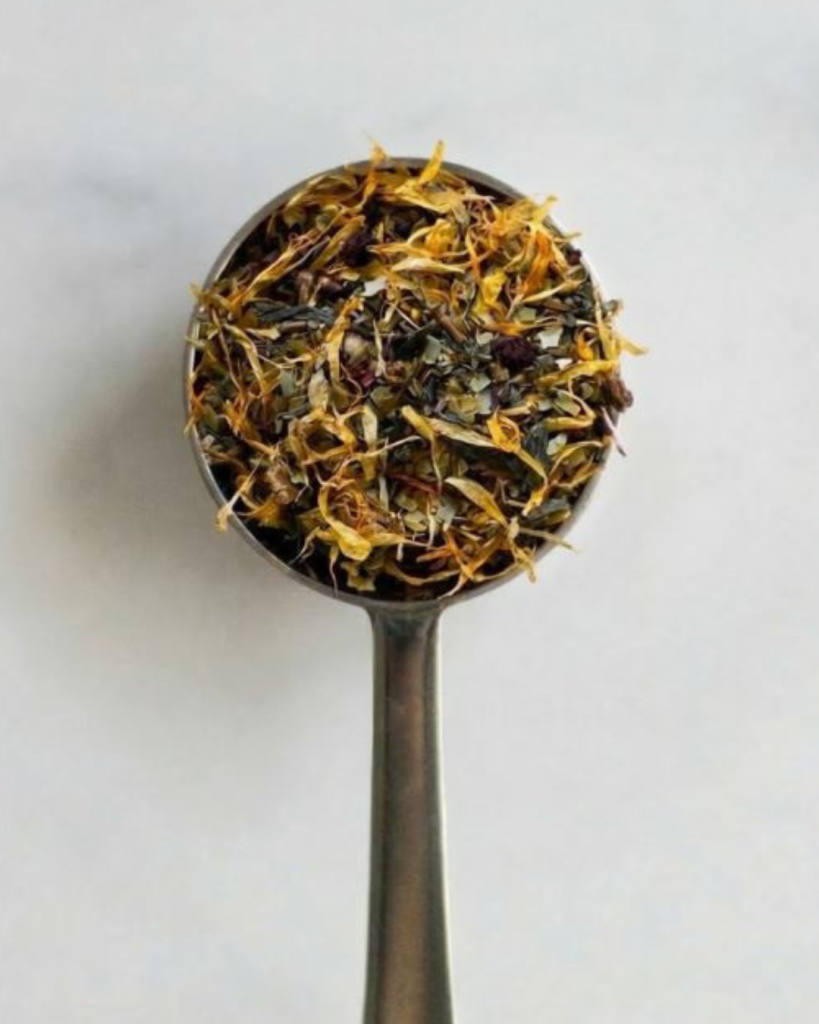
The efficacy of these benefits depends entirely on the quality of the raw material. Many commercial tea bags rely on “tea dust” or fannings, which lose their volatile compounds and antioxidant potency through oxidation.
Alchemix Blend No. 01 pairs hibiscus tea with Yerba Mate and Green Tea, blending the botanical benefits of the flower with the sustained, jitter-free energy of a tea-based caffeine source. Those who prefer more traditional caffeine profiles may find French Earl Grey or English Breakfast to be effective alternatives depending on the time of day.
To extract the maximum benefit from your brew, maintain your water temperature at 80°C. Boiling water degrades the sensitive polyphenols and antioxidants that provide the functional value described above. When you treat your daily beverage as a functional tool rather than just a hot drink, you gain a repeatable, low-friction way to support your system’s performance. Focus on ingredient transparency and intentional brewing, and the cumulative impact on your daily focus becomes clear.
Related Articles





-

Matcha Scoop
$ 7.00 -
Blend No.02 - Rose, Raspberry Leaf, Acai, Goji
$ 15.99 – $ 42.00 -
Elderflower Tea
$ 15.00 – $ 39.00 -
Blend No.03 - Peppermint, Milk Thistle, Nettle
$ 15.99 – $ 42.00 -
Eco Brew Bags
$ 5.99 – $ 17.99
 We do loose leaves that you can taste and non of that dusty stuff in a bag.