
Butterfly Pea Tea for Inflammation Support: A Calm Approach to Cooling an Overworked Body
We talk about inflammation as if it is a dramatic medical word, but in daily life, it shows up in quiet and familiar ways. Stiff mornings. Skin that reacts more easily than it used to. A heavy feeling after long days. That subtle pressure in your joints when you climb out of bed. The fog that lingers after poor sleep. The body is always negotiating with inflammation. The question is how well it is managing it.
Most people only think about inflammation when it becomes uncomfortable, but low-level inflammation builds over time. It reacts to stress, sleep patterns, diet, hormones, and how much rest you give yourself. You don’t have to be unwell to feel its effects. You only need to be human.
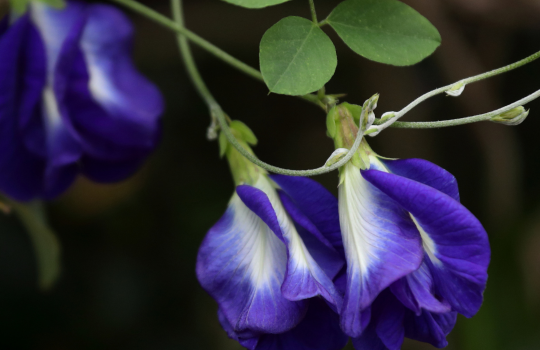
Butterfly pea tea has been used for centuries as a cooling herb in Southeast Asian traditions. Today, it’s gaining attention for its naturally calming properties and its gentle support for inflammation. Its bright blue colour comes from anthocyanins, a group of antioxidants that help the body regulate how it responds to stress at a cellular level.
This guide explores why butterfly pea tea is helpful for inflammation support, how it works, and how to use it in your daily routine without overthinking it.
Why Daily Inflammation Builds Without You Realising
Inflammation is the body’s attempt to repair, protect, and restore balance. The trouble starts when it sticks around longer than it should.
Common everyday causes include:
Stress that never fully switches off
The stress response increases inflammatory markers, especially when it becomes a background setting rather than an occasional spike.
Poor or inconsistent sleep
The body does most of its repair work at night. When sleep is fragmented, inflammation stays elevated.
Overworked digestion
Processed foods, salt, and big meals contribute to inflammatory pressure within the gut.
Hormonal fluctuations
Oestrogen, progesterone, and cortisol influence how reactive the body feels.
Sedentary days
Long hours sitting increases inflammatory proteins and reduces circulation.
Environmental exposure
Pollution, UV exposure, and everyday stressors all add to oxidative load.
Butterfly pea tea doesn’t fix these by force. It supports the pathways the body already uses to bring inflammation back down.
How Butterfly Pea Tea Supports Inflammation Relief
Butterfly pea tea provides what many people need most: gentle, steady support. Not a jolt. Not a detox buzz. Just something that helps your body return to its natural baseline.
Here’s how it works.
1. The Anthocyanins Help Lower Oxidative Stress
Oxidative stress is one of the biggest contributors to inflammation. It happens when free radicals outnumber antioxidants, creating wear-and-tear effects on tissues.
The deep blue pigment in butterfly pea flowers comes from anthocyanins. They support the body by:
- helping neutralise free radicals
- providing a cooling effect on tissues
- supporting healthy cellular repair
- reducing the intensity of inflammatory responses over time
This is quiet work. You won’t feel a sudden change. What you may notice is more even energy, smoother mornings, and a calmer body during stressful weeks.
2. It Supports Healthy Circulation
Inflammation can restrict circulation, causing areas of the body to feel stiff or heavy. Butterfly pea tea supports blood flow in a subtle way that helps deliver oxygen and nutrients to tissues that need repair.
People often describe:
- lighter legs
- easier movement
- less afternoon heaviness
Good circulation reduces the pressure that makes inflammation linger.
3. It Helps the Nervous System Settle
Inflammation and stress feed each other. Stress raises inflammatory markers. Inflammation increases physical tension. The loop repeats.
Butterfly pea tea is traditionally used as a calming herb that helps:
- lower visible signs of tension
- reduce muscle tightness
- support emotional clarity
When the nervous system softens, the inflammatory response shifts with it. Calm is powerful for healing.
4. It Supports the Body’s Cooling Pathways
In many herbal traditions, heat is linked to inflammation. You feel it as redness, puffiness, irritability, or warming sensations in the body.
Butterfly pea tea carries a natural cooling signature. People reach for it when they feel:
- puffy from long days
- warm or flushed
- irritated after spicy meals
- discomfort in the skin
A cooling herb can help reduce the intensity of inflammation patterns that feel hot, swollen, or reactive.
5. It Encourages Better Hydration, Which Influences Inflammation
Hydration affects inflammation more than people expect. Even mild dehydration causes the body to retain water, which increases puffiness and slows recovery.
Butterfly pea tea is an easy hydration win:
- light
- caffeine free
- low in acidity
- drinkable throughout the day
Hydrated tissues are less reactive. They move, repair, and respond more gracefully.
Who Benefits Most From Butterfly Pea Tea for Inflammation
Here are common situations where butterfly pea tea makes a difference:
People who wake up stiff
Morning discomfort often eases with consistent antioxidant support.
Those who react to weather changes
Shifts in temperature can increase inflammation. Cooling herbs help steady the body.
People under long-term stress
Stress-driven inflammation responds well to calming, restorative routines.
Desk workers
Long sitting days benefit from herbs that support circulation and tissue recovery.
Anyone experiencing hormonal swings
Hormones influence inflammatory markers and fluid retention.
Active individuals
Muscle repair becomes easier when inflammation has support.
It is safe for long-term use because it is gentle, hydrating, and non-stimulatory.
How to Use Butterfly Pea Tea to Support Inflammation
The effect is cumulative. The more consistent you are, the steadier your body feels.
Daily routine examples
Morning
A warm cup prepares your system for the day and helps reset overnight stiffness.
Midday
Drinking it after lunch supports circulation and reduces afternoon swelling.
Evening
A calming cup helps the body wind down without caffeine.
Before or after workouts
Hydration paired with antioxidants supports muscle recovery.
Best Brewing Methods for Inflammation Support
The goal is to extract the beneficial pigments without oversteeping or dulling the flavour.
Calming morning brew
- 1 to 2 teaspoons butterfly pea flowers
- hot water, around 85 to 90°C
- steep 5 to 7 minutes
Drink it warm and unhurried.
Soothing evening version
Add a slice of lemon or a spoonful of honey for flavour. Lemon boosts antioxidant absorption.
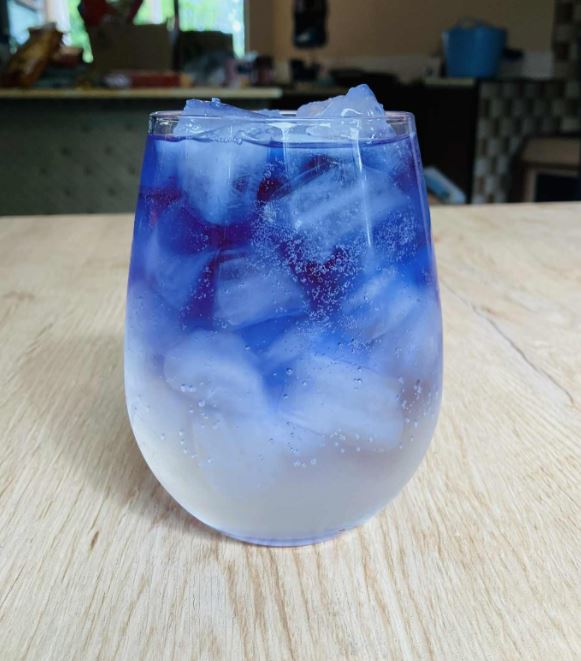
Cooling iced version for inflammatory heat
- Brew double strength.
- Chill for 2 to 3 hours.
- Serve over ice.
This version is especially good on days when you feel warm or puffy.
What You May Notice Over Time
Butterfly pea tea creates change at a gentle pace. Instead of a dramatic shift, you feel more stability.
During week 1
A calmer body and less noticeable tension.
By week 2
Easier mornings. Less heaviness in joints or muscles.
By week 3 and beyond
A more predictable baseline. Fewer inflammatory swings. A body that rebounds from triggers more easily.
Your system becomes steadier because you’re supporting it before discomfort builds.
How This Tea Fits Into a Holistic Inflammation Routine
Herbal tea works best as part of a bigger pattern of care. Small, simple habits reinforce each other.
Supportive additions include:
- regular hydration
- movement breaks during long work sessions
- steadier sleep patterns
- balanced meals that don’t overwhelm digestion
- gentler stress transitions between work and home
Butterfly pea tea won’t replace these habits, but it enhances them by supporting the body’s natural cooling and recovery pathways.
A Three-Day Inflammation Reset with Blue Tea
Day 1
Have one warm cup in the morning. Notice how your body feels around mid-afternoon.
Day 2
Add a second cup after lunch. Pay attention to your joints, skin, and energy in the evening.
Day 3
Try a cup before bed. See if you wake up feeling lighter, less stiff, or more settled.
Three days is enough to notice if your body responds. Most people feel a shift long before the end of the week.
If the experience feels good, build it into a habit. If you want a clean, high-quality version to start with, explore the butterfly pea tea we craft at Alchemix. It’s made from whole, vibrant flowers with nothing added and nothing taken away. Pure colour. Pure calm. Pure support for a body that is ready to feel better. Support a calmer, cooler body from the inside out. Get Butterfly Pea Tea delivered anywhere in NZ.
Related Articles




-
Blend No.03 - Peppermint, Milk Thistle, Nettle
$ 15.99 – $ 42.00 -
Peppermint Tea
$ 17.50 – $ 52.00 -

Matcha Scoop
$ 7.00 -
Blend No.02 - Rose, Raspberry Leaf, Acai, Goji
$ 15.99 – $ 42.00 -
Everyday Matcha
$ 19.00 – $ 49.00
 We do loose leaves that you can taste and non of that dusty stuff in a bag.