
Kagoshima matcha tastes better because it’s grown in volcanic soil loaded with natural minerals, in a climate that’s pretty much perfect for tea, then processed with the kind of precision Japan is famous for.
Most people have heard of Uji when it comes to Japanese matcha. But here’s the twist, Kagoshima, down in Japan’s far south, is producing some of the best matcha you can get… and hardly anyone outside Japan knows it exists.
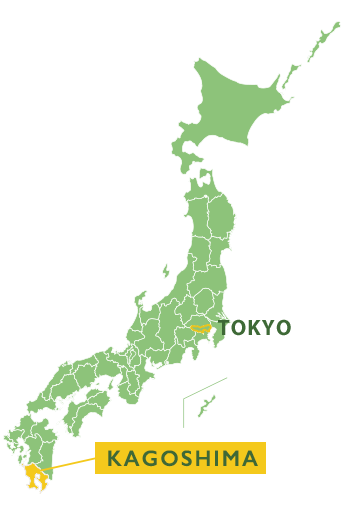
Where is Kagoshima and why is it ideal for matcha?
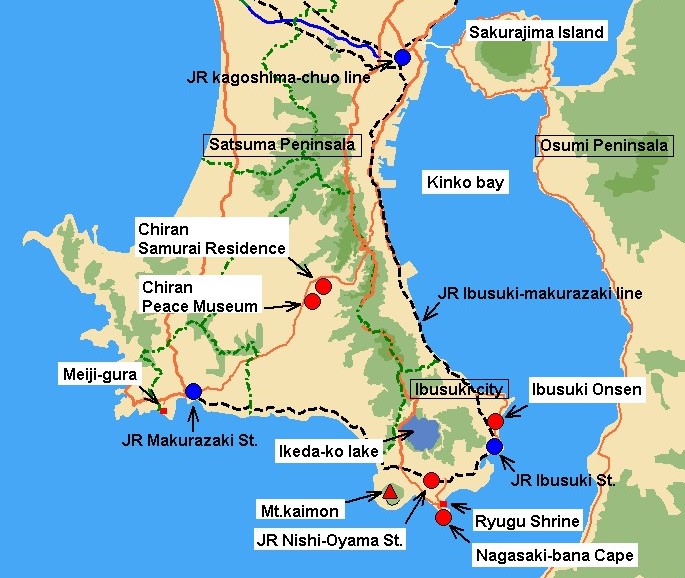
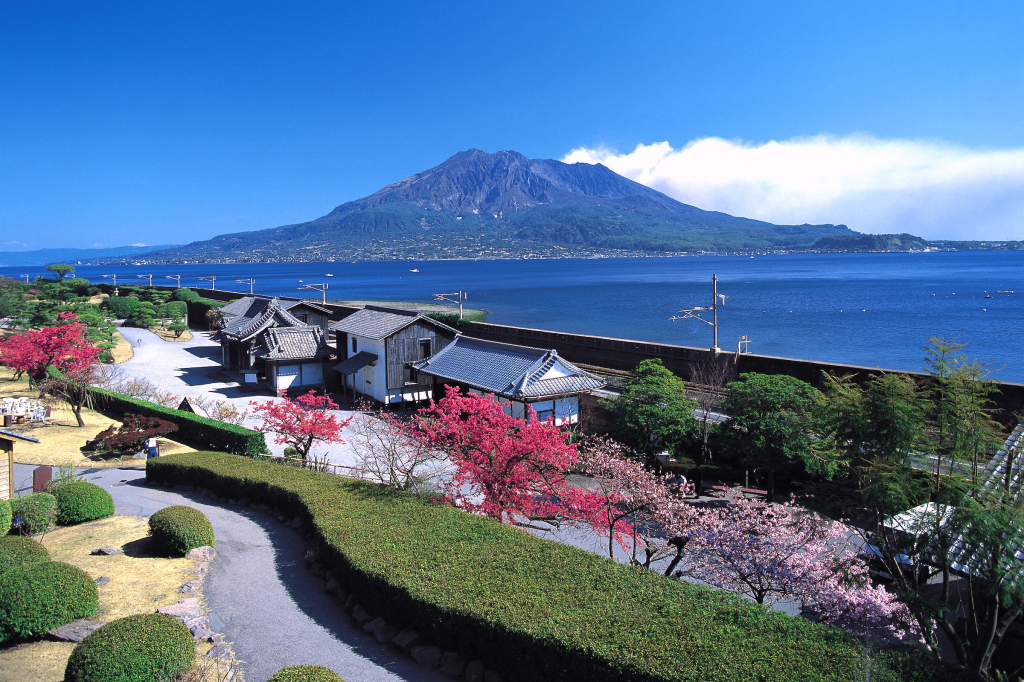
Kagoshima sits at the southern tip of Japan’s Kyushu Island, making it the country’s southernmost major tea-producing region. It’s surrounded by lush hills, fresh ocean air, and one very important neighbour, Sakurajima, an active volcano that shapes both the landscape and the tea grown there.
Sakurajima’s regular ash fall enriches the soil with minerals like potassium, calcium, and magnesium. These natural nutrients feed the tea plants, contributing to Kagoshima matcha’s deep umami flavour, bright colour, and smooth finish.
The subtropical climate is another advantage. Mild winters, warm springs, and long hours of sunlight mean tea plants wake earlier from winter dormancy, allowing farmers to harvest the prized first flush (ichibancha) weeks ahead of other regions. The extended growing season also supports multiple high-quality harvests each year.
With its combination of mineral-rich volcanic soil, clean air, and ideal climate, Kagoshima provides one of the best natural environments in Japan for producing matcha that’s vibrant, flavourful, and nutrient-dense.
What makes Kagoshima matcha taste different?
Kagoshima’s climate and soil produce tea leaves with higher amino acid content, resulting in a sweeter, smoother matcha.
One key factor is shading. In the weeks leading up to harvest, Kagoshima’s tea plants are covered to block direct sunlight. This slows photosynthesis, allowing amino acids, especially L-theanine, to accumulate in the leaves. L-theanine is responsible for matcha’s mellow sweetness and calming effect, and shading also boosts chlorophyll, which gives the powder its vivid green colour.
The volcanic soil from Sakurajima is naturally rich in minerals like potassium, calcium, and magnesium. These minerals nourish the plants and help develop the umami depth Kagoshima matcha is known for.
Kagoshima also benefits from clean air and abundant rainfall thanks to its coastal location and subtropical climate. Frequent rain keeps the soil hydrated and nutrient-rich, while the fresh air helps maintain leaf health and flavour purity.
Compared to matcha grown in harsher or less nutrient-rich environments, Kagoshima’s combination of volcanic soil, optimal climate, and traditional cultivation techniques consistently produces tea that’s smooth, balanced, and rich in natural sweetness. The end result is matcha that not only looks more vibrant in your cup but also delivers a more refined taste experience.
How is Kagoshima matcha made?
The process starts weeks before harvest with shading. Farmers cover the tea plants to block most sunlight, which boosts amino acids like L-theanine and deepens the green colour.
When it’s time to harvest, only the youngest, most tender leaves are picked. These leaves have the best balance of sweetness and umami, with minimal bitterness.
Immediately after picking, the leaves are steamed to halt oxidation. This step is crucial—steaming locks in the bright green colour, fresh aroma, and nutrient content. Skipping or delaying it would cause the leaves to dull and lose flavour quickly.
After steaming, the leaves are dried and the stems and veins are removed, leaving pure leaf material known as tencha.
The final step is stone-milling the tencha into an ultra-fine powder. Traditional granite mills turn slowly to prevent heat buildup, which could damage the delicate aroma compounds and flavour profile. This slow milling ensures a silky-smooth texture that whisks easily into water or milk without clumping.
Every stage of this process is designed to preserve the flavour, colour, and nutrients developed during growing. It’s this combination of careful cultivation and precise processing that gives Kagoshima matcha its signature smoothness and vibrant green appearance in your cup.
Kagoshima matcha is made by shading the tea plants to boost calming L-theanine, hand-picking the youngest leaves for smooth flavour, steaming them immediately to lock in colour and nutrients, and stone-milling into a fine powder, a process that creates the clean, sustained energy you need to power through the midday slump.
Why isn’t Kagoshima matcha as hyped as Uji?
Kagoshima matcha is less known internationally because it’s produced in smaller batches, often sold domestically, and overshadowed by Uji’s historical branding.
For centuries, Uji has been Japan’s most widely recognised matcha region, thanks to its proximity to Kyoto, deep historical roots, and early role in shaping Japanese tea ceremony culture. That legacy built strong international name recognition long before global matcha demand took off.
Kagoshima, by contrast, is a relatively new player in the export market. While it’s now Japan’s second-largest tea-producing region, much of its matcha is still enjoyed within Japan, where freshness and regional quality are highly valued and for good reason. Matcha begins to lose its vibrant colour, flavour, and nutrient content from the moment it’s milled, so local consumers prioritise getting it at its peak. Many Kagoshima farmers focus on quality over mass marketing, producing in small, carefully managed batches rather than scaling up for global bulk sales. This approach not only preserves the region’s distinctive flavour profile but also ensures the matcha reaches drinkers before time, light, or air can diminish its quality.
This means that, outside of Japan, Kagoshima matcha hasn’t yet had the same promotional push or centuries-old narrative that Uji enjoys. For those who discover it, though, the difference is striking: vibrant colour, smooth sweetness, and a flavour profile shaped by volcanic soil and ideal climate conditions.
Kagoshima might not dominate global awareness yet, but among tea specialists and discerning drinkers, it’s becoming a go-to source for exceptional matcha.
The Best-Kept Secret in Matcha, Delivered to NZ
Kagoshima’s volcanic soil, clean air, and subtropical climate create tea leaves with exceptional flavour and colour. Add in the region’s precise cultivation and processing techniques, and you get matcha that’s smoother, sweeter, and more vibrant than most people have ever experienced.
While Kagoshima matcha is still a hidden treasure internationally, kiwis can enjoy it without leaving New Zealand. We import in small batches direct from trusted growers, so every bag reaches you at peak freshness, not months past its prime like many supermarket options.
Our current stock is from the latest harvest, and once it’s gone, we won’t restock until the next season. If you want your daily matcha to taste as fresh and energising as it should, now is the time to order.
Shop Kagoshima Everyday Matcha Now, small-batch, fresh harvest, delivered to your door in NZ.
FAQs About Kagoshima Matcha
What does Kagoshima matcha taste like?
It has a rich umami profile with gentle sweetness, minimal bitterness, and a creamy texture. The flavour is clean, smooth, and ideal for both traditional whisking and modern lattes.
Is Kagoshima matcha available in NZ?
Yes. Alchemix imports Kagoshima matcha in small batches, delivering it fresh to customers across New Zealand.
How is Kagoshima matcha grown?
Tea plants are shaded before harvest to boost amino acids and chlorophyll, then hand-picked, steamed to preserve freshness, dried, and stone-milled into a fine powder.
Why isn’t Kagoshima matcha as well-known internationally?
Kagoshima is Japan’s second-largest tea-producing region, but much of its matcha has traditionally been enjoyed domestically in small batches. With a focus on quality over large-scale promotion, it hasn’t had the same long-standing international marketing presence as some older tea regions.
Related Articles



-
Fine Mesh Matcha Sieve
$ 12.00 -

Blend No.01 - Calendula, Hibiscus, Yerba Mate
$ 15.99 – $ 42.00 -
Matcha Whisk (Chasen)
$ 25.00 -
English Breakfast Tea
$ 17.50 – $ 47.00

 We do loose leaves that you can taste and non of that dusty stuff in a bag.