
Yes. Matcha does expire, and its quality starts to decline soon after milling due to oxidation, light exposure, and moisture. Storing it properly helps preserve its flavour, colour, and nutrients.
Here’s the thing, matcha isn’t like your office jar of instant coffee that can sit there for months without anyone noticing. It’s a finely milled powder, which means every tiny particle is exposed to air, light, and humidity. The moment you open the packaging, the clock starts ticking on its colour, taste, and health benefits.
Even the good stuff, bright-green, stone-milled Japanese matcha, can go from “smooth and creamy” to “meh” surprisingly fast if it’s stored wrong. That’s why how you keep it matters almost as much as which one you buy.
What is the shelf life of matcha powder?
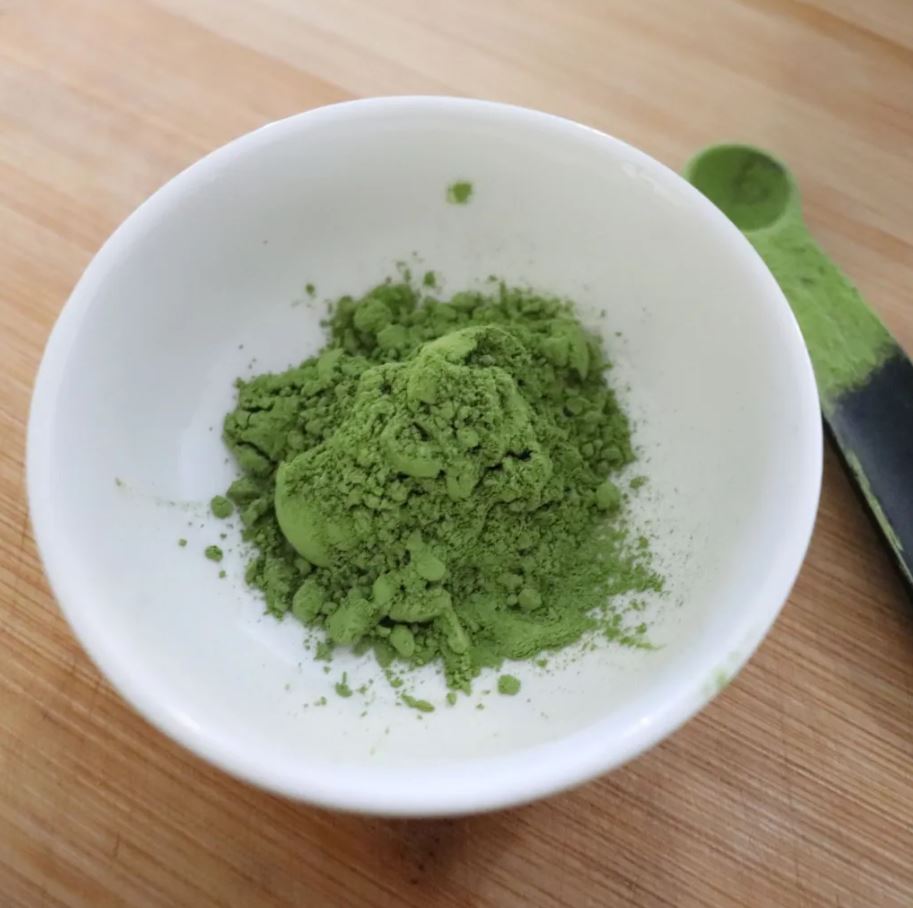
Unopened matcha lasts 6–12 months from milling. Once opened, it’s best consumed within 4–8 weeks for peak freshness. If you’re having matcha every day, small-batch packaging (like ours) is a smarter choice than bulk buys, since it keeps each serving closer to peak freshness.
That’s the quick version. The “best before” date on your bag is a general guide for when the matcha will taste its best, it won’t go bad overnight, but the quality will slowly drop. Over time, the vibrant green colour will fade, the aroma will weaken, and the flavour will become more flat or bitter.
Matcha naturally starts to lose its edge from the moment it’s milled into a fine powder. That’s why at Alchemix we focus on small-batch imports and fast stock turnover, so your bag arrives much closer to its peak freshness than supermarket brands that can sit in warehouses for months.
Our matcha resealable bags are airtight and designed to protect your matcha from light, air, and moisture, the three biggest factors in quality loss. If you keep your bag sealed and stored in a cool, dry place, it can hold up for up to a year unopened. Once opened, aim to use it within 4–8 weeks. After that, it’s still safe, but the flavour and colour won’t be as vibrant as day one.
How can you tell if matcha has gone bad?
Expired matcha loses its vibrant green colour, smells flat or stale, and tastes dull or bitter.
You don’t need lab equipment to figure it out, your senses will tell you.
Sight: Fresh matcha is a bold, almost neon green under direct sunlight. If yours is looking yellowish, olive, or even brownish, the chlorophyll has broken down. Think of it like fresh spinach, bright green is good, but once it turns dull, you know it’s past its prime.
Smell: Quality matcha should have a sweet, grassy, almost creamy aroma. If it smells earthy, musty, or just like plain old green tea leaves, the volatile compounds that give it that signature scent have faded. Imagine the difference between freshly ground coffee and coffee that’s been sitting open in the cupboard for months, the freshness is instantly obvious.
Taste: Good matcha is smooth and umami-rich. When it’s expired, it can taste flat, overly bitter, or watery. It’s like reheating yesterday’s fries, technically edible, but nowhere near the original experience.
Feel: Fresh matcha should be super fine and silky. If it’s clumpy or feels a bit damp, moisture has gotten in, and that’s a fast track to staleness.
While expired matcha is usually still safe to drink, you’ll be missing out on the taste, colour, and benefits you bought it for. If it fails the colour-smell-taste test, it’s better used for baking, smoothies, or DIY skincare than for your morning latte.
Why does matcha expire faster than loose-leaf tea?
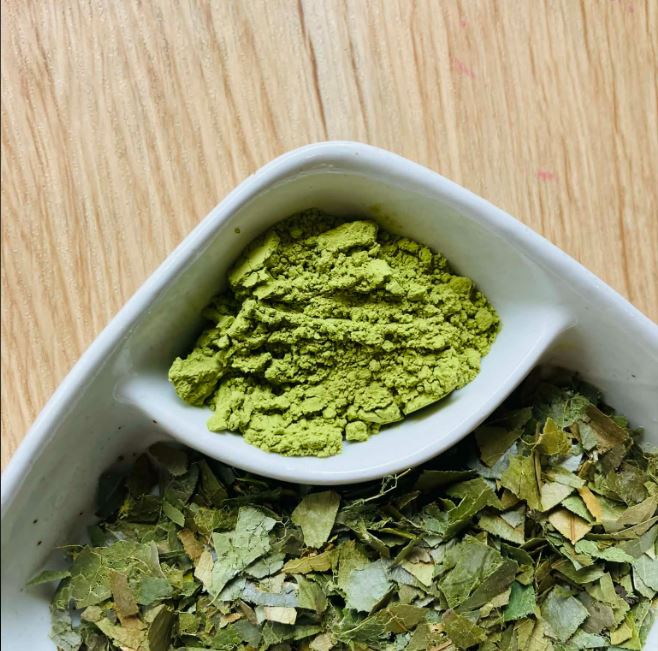
Matcha’s fine powder form increases surface area, making it more vulnerable to oxidation, light, and humidity. To keep matcha at its best, and ready to fight off your midday slump, you need to protect it from air, light, heat, and moisture.
Loose-leaf tea keeps its structure intact, which helps protect the flavour compounds and nutrients inside the leaves. Matcha, on the other hand, is made by stone-milling tea leaves into a superfine powder. This process exposes every particle to air, giving oxygen far more surface area to react with. That’s why matcha starts losing its edge from the moment it’s milled.
Oxidation slowly breaks down the catechins, amino acids, and natural oils that give matcha its smooth, umami-rich taste. Light exposure speeds up this process by degrading chlorophyll, the pigment responsible for matcha’s bright green colour. Over time, that vibrant green shifts to yellowish or dull tones, which also signals a drop in freshness.
Humidity is another enemy. Matcha naturally absorbs moisture from the air, which can lead to clumping and accelerate flavour loss. Higher temperatures make all of these reactions happen faster, meaning matcha stored near a sunny window or on a kitchen shelf above the stove will go stale well before its “best before” date.
Matcha is more delicate than it looks. Its fine texture gives you a richer flavour and creamier cup, but it also means you need to store it right if you want to enjoy it at peak quality.
How should you store matcha for maximum freshness?
Store matcha in an airtight, opaque bag or container in a cool, dry place away from light, heat, and moisture.
Matcha’s worst enemies are air, light, heat, and humidity, so your storage setup should protect against all four. The easiest way? Keep it sealed in its original resealable Alchemix bag and store that inside an opaque container or drawer. The double layer shields the powder from oxygen and light while keeping moisture out.
Refrigeration can be useful if you live in a warm climate or won’t finish your matcha within a month. Just make sure the bag is completely airtight, and let it come to room temperature before opening. This prevents condensation from forming inside, which can ruin the powder’s texture and speed up staleness.
Freezing is possible but only for unopened matcha, and even then, you’ll need to thaw it completely (still sealed) before use. Frequent temperature changes in and out of the freezer can create condensation, so it’s not ideal unless you’re storing a bulk purchase for months.
Storage mistakes to avoid:
- Transferring matcha to a clear jar — light exposure fades colour and flavour.
- Leaving it near the stove or kettle — heat and steam speed up oxidation.
- Keeping the bag partially open — even a small gap can let in enough air to dull the taste.
Is expired matcha safe to drink?
Yes, expired matcha is usually safe to drink, but it will have lost much of its flavour, colour, and nutrients.
There’s a difference between safe to consume and worth consuming. Matcha past its “best before” date won’t harm you if it’s been stored properly, but it won’t deliver the same smooth flavour, vibrant green colour, or antioxidant benefits you’d get from a fresh batch.
You should throw it out completely if you notice:
- Mould or visible discolouration beyond the normal fading to yellow/olive.
- Off smells — anything musty, sour, or reminiscent of damp cupboards.
- Signs of contamination — insects, unusual clumping with dark spots, or any foreign matter.
If your matcha is just a bit past its prime but still safe, you can still use it, just not for your morning latte. Stale matcha works well in baking (matcha cookies, cakes, and muffins), smoothies (where fruit and milk mask the dull flavour), or even DIY skincare (like matcha face masks for antioxidants).
For the best taste and benefits, it’s worth keeping your drinking matcha fresh and using older matcha for these secondary purposes. That way, every cup you whisk is as good as it should be.
The Freshest Kagoshima Matcha in NZ, While It Lasts
Matcha isn’t a “buy it and forget it” pantry item. It’s a delicate, finely milled tea that loses its flavour, colour, and health benefits faster than loose-leaf tea. With the right storage, you can preserve its smooth taste, vibrant green hue, and antioxidant power for weeks after opening.
At Alchemix, we make freshness a priority. Our Kagoshima everyday matcha is imported in small batches, packed in airtight, resealable bags so it reaches you closer to peak quality than supermarket alternatives.
Our current stock comes from the latest harvest, and once it’s gone, it’s gone until the next shipment. If you want every cup to taste as good as your first, now’s the time to order.
🌸
FAQ
How long does unopened matcha last?
6–12 months from milling under proper storage. If kept sealed in a cool, dark place, quality holds until the best-before date. Once opened, aim to finish within 4–8 weeks.
Should matcha be kept in the fridge?
Optional. If your kitchen is warm or you won’t finish a bag in a month, refrigerate it sealed. Always let the bag return to room temp before opening to avoid condensation.
Can I freeze matcha powder?
Only if it’s unopened and you won’t use it for several months. Thaw sealed to room temp before opening. Avoid repeated in/out cycles; condensation will degrade quality.
Why is my matcha turning yellow?
Oxidation and light exposure are breaking down chlorophyll. It’s still generally safe, but flavour, colour, and aroma have dropped. Tighten storage and use it for baking or smoothies.
Does expired matcha lose its health benefits?
Yes, antioxidant potency and L-theanine levels decline with time, heat, light, and air. It’s usually safe past best-before if stored well, but quality and benefits are reduced.
Related Articles

-
Blend No.01 - Calendula, Hibiscus, Yerba Mate
$ 15.99 – $ 42.00 -
Elderflower Tea
$ 15.00 – $ 39.00 -

Butterfly Pea Tea
$ 15.99 – $ 45.00 -

Blend No.03 - Peppermint, Milk Thistle, Nettle
$ 15.99 – $ 42.00 -
Soursop Tea
$ 19.00 – $ 52.00
 We do loose leaves that you can taste and non of that dusty stuff in a bag.