

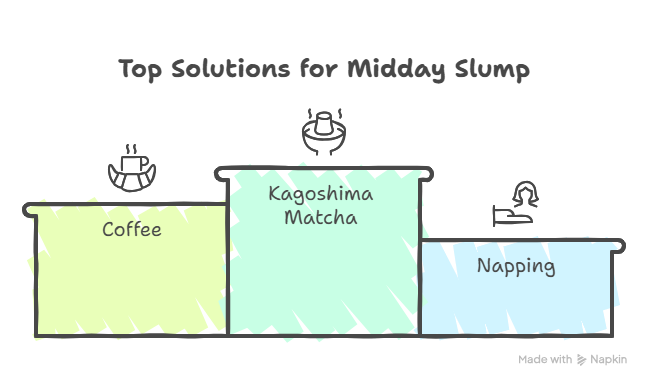
If you spend your afternoons staring at your screen, fighting the urge to nap, you already know the “midday slump” is real. That wave of fatigue hits around 2–3 p.m., your focus slips, and suddenly you’re refilling your coffee mug, knowing full well it’s going to keep you up later.
Kagoshima matcha offers a better solution. This finely milled Japanese green tea delivers caffeine in a slower, steadier release than coffee, thanks to an amino acid called L-theanine. The result? Smooth, sustained alertness for hours, without the post-coffee crash or jittery edge.
For New Zealanders looking for a high-quality matcha powder, Kagoshima is one of Japan’s most respected tea-growing regions. Its volcanic soil, clean air, and skilled cultivation produce matcha with a rich, umami flavour and vibrant colour, the kind you notice from the first sip.
Why do people feel tired in the afternoon?
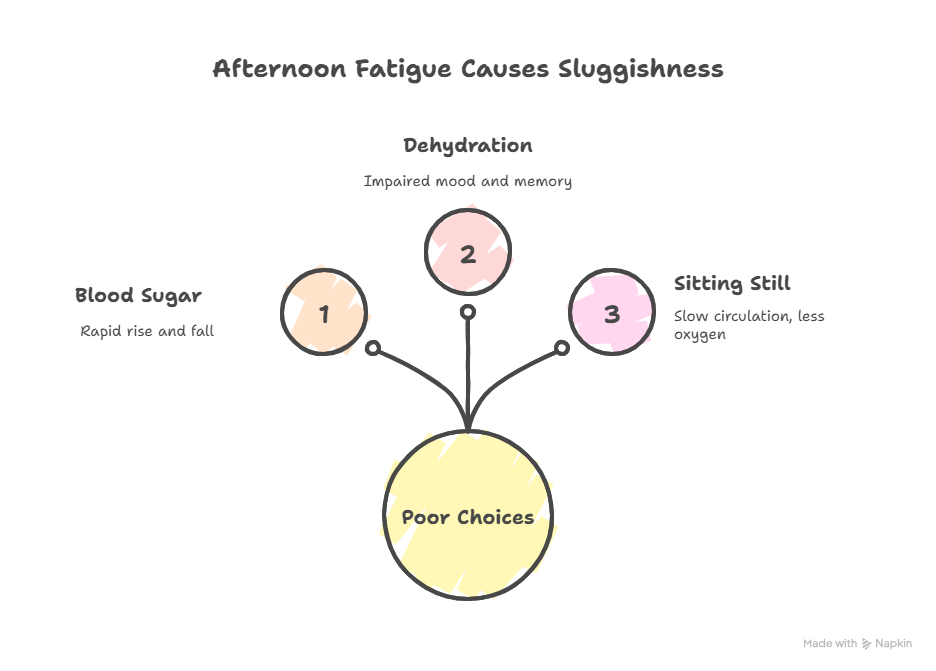
Most people experience afternoon fatigue due to blood sugar dips, dehydration, and the rapid drop in energy that follows coffee consumption. Poor lunch choices and long periods of sitting can make the slump worse.
Biologically, the post-lunch dip is tied to your body’s circadian rhythm. Research shows that alertness naturally decreases between 1–3 p.m., but the effect is amplified by diet and lifestyle choices. When you eat a carbohydrate-heavy lunch, think sandwiches, pasta, or sugary snacks, your blood sugar rises quickly and then falls, leaving you sluggish. Pair that with the rapid caffeine absorption from coffee, which spikes your energy before triggering a compensatory dip in adenosine receptor activity, and you get the classic crash.
Hydration plays a role too. Even mild dehydration, as little as a 1–2% drop in body water, has been shown to impair mood, memory, and concentration (Ganio et al., 2011). Yet many New Zealanders replace water with multiple coffees or energy drinks throughout the workday, compounding the issue.
Office culture doesn’t help. Long periods of sitting slow circulation and reduce oxygen delivery to the brain, further lowering alertness. Add in screen fatigue from constant email, Slack, and spreadsheet work, and it’s no wonder the 3 p.m. slump is practically a national experience in NZ workplaces.
Does matcha give you energy without a crash?
Yes. Matcha’s combination of caffeine and L-theanine provides a calm, sustained energy boost that lasts for hours without the sharp crash that coffee can cause.
Unlike coffee, which delivers caffeine in a rapid spike that can lead to jitters and a sudden drop in alertness, matcha’s caffeine is absorbed more gradually. This is partly because matcha is consumed as a whole-leaf powder, meaning you ingest the tea leaf’s natural compounds alongside the caffeine. The result is a slower release into the bloodstream, giving you a more stable level of energy.
A key player here is L-theanine, an amino acid found almost exclusively in tea plants. Studies show L-theanine works synergistically with caffeine to improve focus and reaction time while reducing feelings of stress (Giesbrecht et al., 2010). Many matcha drinkers report feeling alert but calm, making it ideal for sustained concentration at work or study.
Matcha also contains high levels of antioxidants, particularly catechins like EGCG, which support cardiovascular health and protect against oxidative stress. Its natural chlorophyll not only gives matcha its vibrant green colour but also contributes detoxifying properties, which is one reason traditional Japanese tea culture prizes fresh, high-quality matcha.
Nutrition experts note that this combination of caffeine, L-theanine, and phytonutrients creates a unique “relaxed alertness” that’s hard to replicate with other drinks. For anyone seeking steady, crash-free energy, especially in a demanding work environment, matcha is a proven alternative to coffee.
Reference: Giesbrecht, T., Rycroft, J. A., Rowson, M. J., & De Bruin, E. A. (2010). The combination of L-theanine and caffeine improves cognitive performance and increases subjective alertness.
What makes Kagoshima matcha unique?
Kagoshima matcha is grown in Japan’s southernmost tea region, where volcanic soil, clean air, and a mild climate produce smooth, umami-rich matcha with low bitterness and high nutrient content.
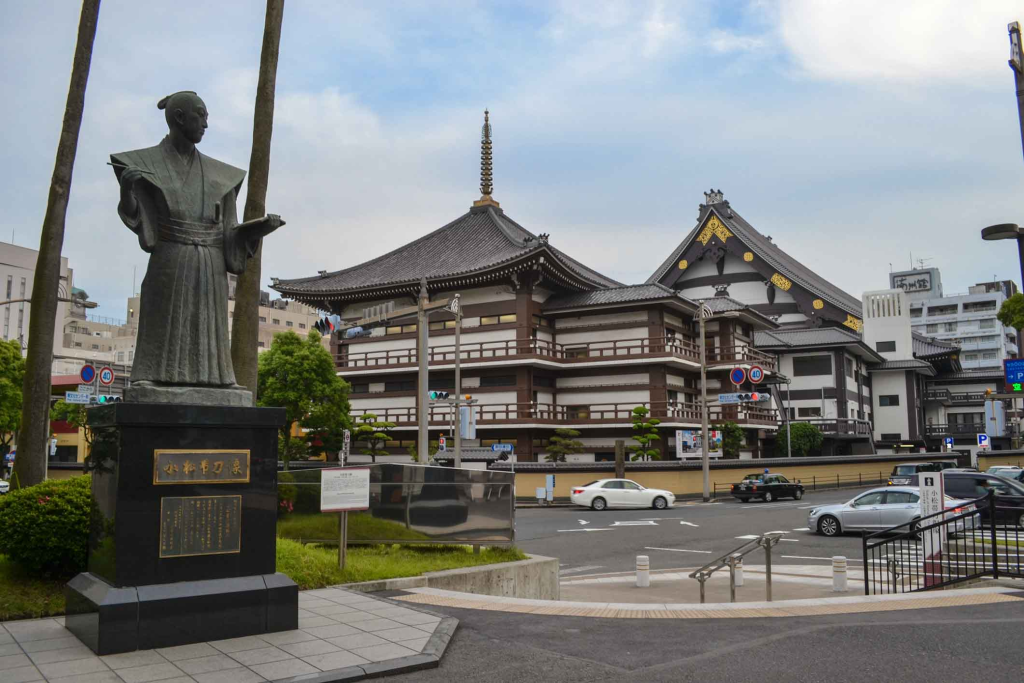
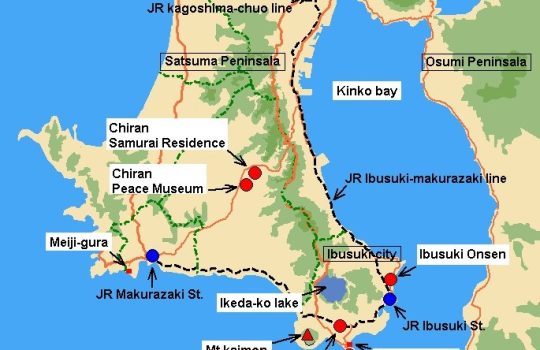
Located on Kyushu Island, Kagoshima is Japan’s second-largest tea-producing prefecture and one of its most innovative. The region’s proximity to active volcanoes like Sakurajima enriches the soil with minerals, while its subtropical climate allows for multiple harvests each year. Clean air and abundant rainfall create ideal growing conditions for tender, nutrient-dense tea leaves.
Kagoshima matcha production follows meticulous Japanese standards. Tea plants are shaded for several weeks before harvest, increasing chlorophyll levels and boosting the amino acid profile, particularly L-theanine, responsible for matcha’s calming effect. Only the youngest leaves are hand-picked to ensure a smooth, vibrant flavour. These leaves are then steamed to halt oxidation, dried, and stone-milled into an ultra-fine powder. Traditional granite milling preserves the leaf’s natural oils and delicate aroma while achieving the silky texture that high-grade matcha is known for.
In terms of taste, Kagoshima matcha is celebrated for its gentle umami and natural sweetness, with very low bitterness compared to many mass-produced matchas. Visually, it’s an intense, bright green, a key indicator of freshness and quality. The powder feels soft, not gritty, and blends smoothly into water or milk without clumping.
For New Zealand matcha drinkers seeking a premium product, Kagoshima everyday matcha is an ideal choice. It combines exceptional flavour with high nutritional value, making it perfect for both traditional whisking and modern lattes. Sourced directly from Japan and delivered fresh, it offers a level of quality rarely matched by supermarket “matcha powder”, ensuring you get the full taste and health benefits with every cup.
What is the best matcha powder in NZ?
When evaluating matcha quality, start with colour. High-grade matcha should be a vivid green, a sign of young leaves, high chlorophyll content, and careful shading before harvest. A dull yellow or brown-green powder usually indicates lower-grade leaves, oxidation from poor storage, or both.
1. Aroma is the key giveaway.
Fresh matcha smells sweet, grassy, and slightly nutty, never stale or hay-like. Texture matters too: quality matcha is so finely milled that it feels soft and silky, not gritty. When whisked, it should form a creamy froth without clumps.
2. Origin is critical for both flavour and health benefits.
Authentic Japanese matcha, especially from renowned regions like Kagoshima, undergoes strict cultivation and processing standards. This ensures the powder retains high levels of L-theanine, antioxidants, and the smooth umami flavour that defines premium matcha.
3. Freshness also plays a huge role.
Matcha begins to lose flavour and nutritional potency within months of milling, which is why direct-from-Japan sourcing and small-batch imports are essential for NZ consumers. Many supermarket “matcha” powders are often imported through multiple middlemen with no source of origin or from China but hidden in the fine print. If you have to dig for where it’s from and what grade it is, it’s most likely low-quality matcha. By the time they reach shelves, they can be months, or even years, past their peak, resulting in a flat taste and minimal benefits.
How do you prepare matcha for energy?
Whisk 1–2 grams of matcha powder with 80°C water until frothy, or blend into a latte with milk for a smooth, energising drink.
Hot Matcha Latte (Serves 1)
- Sift 1–2 grams (about ½–1 teaspoon) of matcha powder into a bowl or mug.
- Add a splash of 80°C water and whisk in a zig-zag motion until the paste is lump-free and frothy.
- Heat 200ml of milk (dairy or plant-based) until steaming but not boiling.
- Pour the milk over the matcha paste and whisk or froth to combine.
- Sweeten to taste, if desired.
Iced Matcha Latte (Serves 1)
- Sift 1–2 grams of matcha into a shaker or glass.
- Add a splash of 80°C water and whisk or shake until smooth.
- Fill a glass with ice and pour in cold milk.
- Top with the matcha mixture, stir gently, and enjoy.
Best Time to Drink for Energy
- Mid-morning (10–11 a.m.) to prevent the early-afternoon slump.
- Early afternoon (1–2 p.m.) for sustained focus without disrupting sleep.
Beginner Tips
- Always sift matcha before whisking to prevent clumps.
- Never use boiling water. It burns the leaves, causing bitterness.
- Use fresh, high-grade matcha for the best flavour and nutrient profile.
Limited Batch. Fresh Harvest. Don’t Miss Out.
The midday crash doesn’t have to be a daily struggle. While coffee often amplifies the problem with spikes and crashes, Kagoshima matcha offers a smoother, more sustainable way to stay alert. Its blend of caffeine and L-theanine delivers calm, steady energy, while the fresh, umami-rich flavour makes every cup a pleasure.
For New Zealand tea drinkers, Kagoshima matcha stands apart. Grown in volcanic soil, stone-milled to preserve nutrients, and shipped in small, fresh batches, it delivers the vibrant colour, smooth texture, and health benefits that lower-grade matcha can’t match.
Our latest harvest is in limited supply, and once it’s gone, it’s gone until the next season. If you’re ready to swap the slump for steady focus, now is the time.
Grab your Kagoshima Everyday Matcha Today — fresh from Japan, delivered to your door in NZ from Southland.
🌸
FAQs About Kagoshima Matcha
1. Is matcha better than coffee for energy?
Yes. Matcha provides caffeine along with L-theanine, which slows absorption and delivers a steady, calm energy boost without the jittery highs or sudden crashes that coffee can cause.
2. Where can I buy authentic Japanese matcha powder in NZ?
You can buy authentic Japanese matcha powder from trusted specialty stores like Alchemix Tea Co.
3. Does matcha help with focus and concentration?
Yes. Studies show that the combination of caffeine and L-theanine in matcha can improve attention, working memory, and reaction time while reducing stress.
4. What does Kagoshima matcha taste like?
Kagoshima matcha has a smooth, umami-rich flavour with natural sweetness and minimal bitterness, thanks to its volcanic soil, shading process, and careful hand-picking.
5. How much matcha should I drink in a day?
For most adults, 1–2 servings (1–2 grams each) per day is ideal for enjoying matcha’s benefits without excessive caffeine intake. However, you’re good to go with a double shot of matcha (2-4g) if you need that extra lift.
Related Articles



-

Blend No.03 - Peppermint, Milk Thistle, Nettle
$ 15.99 – $ 42.00 -

Stainless Steel Tea Infuser
$ 18.00 -

Reusable Tea Bags (Set of 5)
$ 15.00 -
Blend No.02 - Rose, Raspberry Leaf, Acai, Goji
$ 15.99 – $ 42.00 -

Butterfly Pea Tea
$ 15.99 – $ 45.00
 We do loose leaves that you can taste and non of that dusty stuff in a bag.